Inquiry
Form loading...

2026 Top Bamboo Toothbrush Types for Global Buyers

Global buyers are examining Bamboo Toothbrush options with sharper questions in 2026. Material choice alone no longer proves product quality. Handle shape, bristle performance, packaging, factory controls, and end-of-life guidance all matter.

Dr. Nigel Carter OBE, a respected oral-health authority, says, “Brushing your teeth twice a day with fluoride toothpaste is one of the most important things you can do for your oral health.” His point keeps this market grounded. A Bamboo Toothbrush must support effective cleaning before it makes environmental claims. Buyers should check bristle softness, trimming consistency, moisture resistance, and compatibility with ordinary brushing habits. A smooth handle feels comfortable in the hand. A poorly sealed handle may develop dark spots in a humid bathroom.

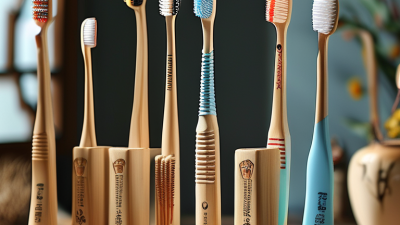
The leading types include natural bamboo handles with nylon bristles, plant-based bristle alternatives, children’s designs, charcoal-infused models, and customized products for hospitality programs. Each option has limitations. “Compostable” may describe the handle, not every component. That distinction is easy to miss. Supply documentation, testing records, and transparent disposal instructions therefore deserve close attention.

This guide compares the 2026 Bamboo Toothbrush categories through practical buying criteria. It considers dental usability, manufacturing consistency, packaging reduction, and regional purchasing needs. Some claims remain difficult to verify across suppliers. That uncertainty matters. Responsible buyers should request evidence instead of trusting attractive green language. The best choice may not be the most fashionable one. It should be safe, usable, clearly documented, and realistic to dispose of after use.
2026 Top Bamboo Toothbrush Types for Global Buyers

Bamboo Toothbrush Basics and Key Features

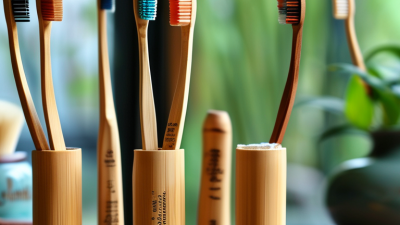
A bamboo toothbrush usually combines a bamboo handle with nylon or plant-based bristles. The handle should feel smooth, dry, and comfortable without sharp edges. Bristle softness matters most for daily use. Soft bristles are generally gentler on gums and enamel when used with light pressure. Medium bristles may feel stronger, but they can irritate sensitive gums. The natural handle does not make every brush equally sustainable. Some bristles still require separate disposal.

For global buyers, check moisture resistance, handle shape, bristle alignment, and packaging details. A well-finished handle should not split after brief contact with water. Store the brush upright in an airy holder, not inside a sealed wet container. Replace it when bristles spread, usually within two or three months. Product specifications should clearly state bristle material, handle treatment, size, and recommended use. Vague claims deserve caution. The natural appearance can mislead.

Tips: Test the grip with dry hands first. Choose soft, even bristles. Let the brush dry completely. Do not assume every part is compostable. A quick inspection helps, although it cannot predict every user’s experience.

2026 Top Bamboo Toothbrush Types for Global Buyers - Bamboo Toothbrush Basics and Key Features

Typical specifications for bamboo toothbrushes; exact dimensions and material combinations vary by supplier and model.
Toothbrush Type Typical User Handle Material Common Bristle Options Typical Dimensions Key Features Important Buyer Considerations
Standard Adult Bamboo Toothbrush Most adult users Bamboo handle with a smooth, sealed or polished surface Soft to medium nylon or other synthetic filaments Approx. 17–19 cm overall length; compact head commonly about 2.5–3.5 cm long Familiar straight handle; suitable for everyday manual brushing; lightweight construction Confirm bristle softness, head size, moisture resistance and compliance with the destination market’s labeling rules
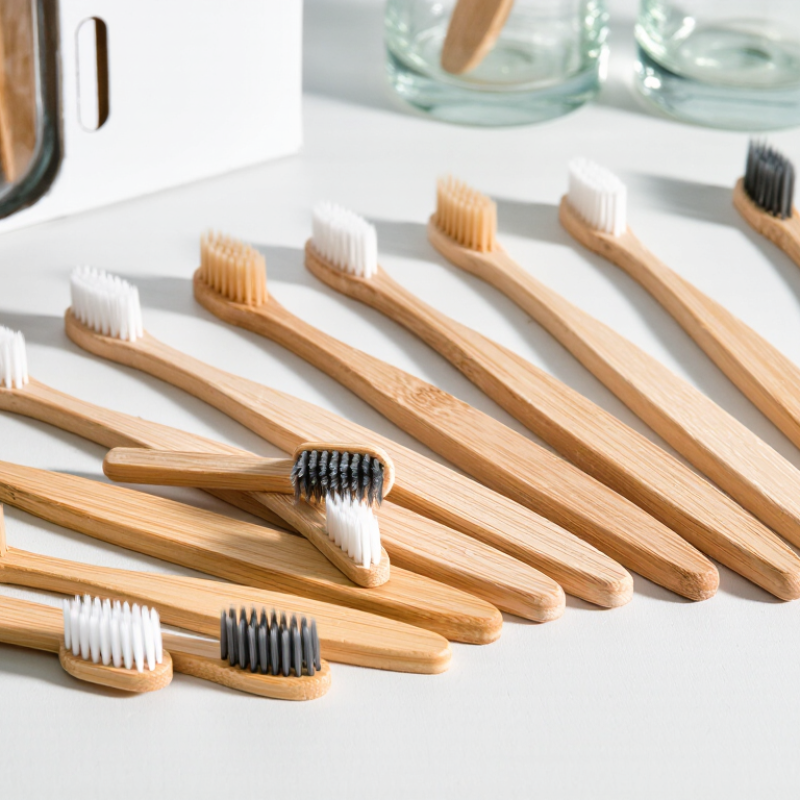
Soft-Bristle Bamboo Toothbrush Users preferring gentle brushing; people with sensitive gums may seek this option Bamboo handle, generally rounded and polished Soft nylon filaments, commonly around 0.15–0.18 mm in diameter Approx. 17–19 cm overall length; small to medium brush head Gentler feel; rounded bristle ends can improve comfort and reduce abrasion risk “Soft” should be verified through product specifications; brushing technique remains important for gum care
Charcoal-Infused Bristle Bamboo Toothbrush Adult users interested in dark-colored bristles Bamboo handle Nylon filaments containing activated charcoal pigment or additive Approx. 17–19 cm overall length; head size varies by design Black or gray bristles; visual differentiation from conventional light bristles Charcoal color does not by itself prove whitening or antibacterial performance; require substantiated claims before marketing
Bamboo Toothbrush for Children Children, subject to age-appropriate product design Smaller bamboo handle with rounded edges Soft nylon filaments; compact head Approx. 14–17 cm overall length; smaller head than adult models Reduced handle and head size; easier for smaller mouths and hands to manage Specify recommended age range; inspect for loose bristles, sharp edges and small detachable parts
Bamboo Toothbrush with Ergonomic Handle Adults seeking improved grip and handling Contoured or widened bamboo handle, often with thumb-grip shaping Soft or medium nylon filaments Approx. 17–19 cm overall length; handle width commonly about 1–1.5 cm at the grip More defined grip profile; may improve control during brushing Check balance, grip comfort, finish quality and whether the shape increases packaging volume
Minimalist Bamboo Toothbrush Eco-conscious consumers and low-packaging retail channels Unpainted or lightly finished bamboo handle Usually soft or medium nylon filaments Approx. 17–19 cm overall length; simple, standard brush-head format Simple appearance; fewer coatings, decorative parts and packaging components Uncoated bamboo still needs to be kept dry between uses; verify packaging recyclability or compostability locally
Bamboo Toothbrush with Replaceable Head Users seeking to retain a handle while replacing the brush head Bamboo handle with a mechanical connection system Soft or medium nylon filaments on a detachable head Approx. 17–19 cm assembled length; connection dimensions are model-specific Potentially reduces full-handle replacement frequency; compact replacement-head storage Test connection strength, water resistance and availability of compatible replacement heads
Individually Packed Bamboo Toothbrush Hotels, travel retail, pharmacies and hygiene kits Bamboo handle; packaging may be paper-based or plastic-based Soft or medium nylon filaments Brush approx. 17–19 cm; retail pack commonly about 19–22 cm long Improved hygiene during transport and storage; suitable for private-label or hospitality kits without displaying brand data Packaging material affects disposal and shipping weight; confirm print inks, moisture protection and required language information
Material and disposal note: Bamboo is a plant-based handle material, but a finished toothbrush is not automatically fully compostable. Bristles, staples and coatings may require separate disposal, and local waste rules differ by country. Before making environmental claims, verify the complete material composition and applicable certification requirements.

Main Bamboo Toothbrush Types for Global Buyers

Main Bamboo Toothbrush Types for Global Buyers

Bamboo toothbrushes usually fall into several practical types. Adult soft-bristle brushes suit daily use and sensitive gums. Medium-bristle models offer stronger cleaning, but dentists often warn against excessive pressure. Kids’ brushes use smaller heads and shorter handles. Travel versions may include ventilated cases, protecting the brush from moisture and odor.

Charcoal-infused bristles attract attention, yet their cleaning benefit is not automatically proven. Buyers should check bristle material, head size, handle finish, and packaging claims. The WHO Global Oral Health Status Report 2022 estimates that oral diseases affect nearly 3.5 billion people worldwide. This creates demand, but sustainability must not replace basic oral-health performance. ISO 20126:2022 provides relevant requirements for manual toothbrush safety and durability. Bamboo handles can reduce plastic use, but many bristles still contain nylon. The category is not perfectly circular.

Tips: Ask suppliers for material specifications, laboratory test records, and moisture-control details. Confirm whether the bristles are nylon, plant-based, or mixed. Also inspect the handle for cracks, splinters, and uneven finishing. A lower price may hide weaker bonding or poor packaging. Buyers should avoid vague “100% biodegradable” claims unless every component supports that statement. Even experienced purchasers can overlook disposal instructions. Local waste systems differ, so clear guidance matters.

Bristle Materials, Firmness, and Cleaning Performance

2026 Top Bamboo Toothbrush Types for Global Buyers

Bristle material controls cleaning more than the bamboo handle. Nylon remains the most predictable choice because its rounded filaments flex around gumlines and dry quickly. Plant-based nylon can reduce fossil content, but “bio-based” does not mean biodegradable. Natural boar bristles feel softer at first, yet they can retain moisture and show uneven tips. The American Dental Association recommends soft bristles to reduce gum abrasion. Hard bristles may feel powerful, but stronger is not automatically cleaner.

Firmness should match technique, not marketing language. A soft brush with gentle, two-minute movement can remove plaque effectively. WHO’s Global Oral Health Status Report 2022 estimated that nearly 3.5 billion people live with oral diseases, so basic brushing quality still matters. A 2014 Cochrane review found powered brushes produced greater plaque and gingivitis reductions than manual brushes, although bamboo handles remain manual tools. This comparison is useful, but not perfect. Few studies isolate bamboo handles, bristle density, and filament shape together.

Tips: Choose soft, end-rounded bristles and inspect the tuft pattern. For sensitive gums, avoid aggressive pressure and replace the brush after visible wear, usually around three months. Keep it upright and dry between uses. Ask suppliers for bristle composition, moisture testing, and independent cleaning-performance data. “Eco-friendly” claims deserve evidence. A greener handle cannot compensate for poor brushing habits.

Handle Design, Sizing, and User-Specific Selection

For global buyers, bamboo toothbrush selection should begin with handle design, not decoration. A straight handle suits shared retail displays and adult users with steady grip. A contoured handle offers better control for wet hands, older users, or people with limited dexterity. Slim handles reduce material use, but they can feel unstable. That detail is easy to overlook. WHO’s Global Oral Health Status Report estimates that nearly 3.5 billion people live with oral diseases, so comfort and brushing control matter across many user groups. Rounded ends and smooth sealing also help reduce splinters, although quality depends on manufacturing.

Sizing should match the mouth, hand, and purchasing channel. Adults often prefer medium or full-size heads, while children need smaller heads and shorter handles. Orthodontic users may need compact heads for reaching around brackets. Soft or medium nylon bristles are common choices, but dentists should guide users with sensitive gums. A 2023 market analysis from Grand View Research identifies sustainability and plastic reduction as major demand drivers, yet bamboo alone does not guarantee responsible sourcing. Buyers should check material documentation, moisture resistance, packaging details, and disposal instructions.

Tips: Test three handle widths before placing a large order. Measure head length and bristle height separately. Avoid assuming one universal size works globally. A product can look premium and still feel awkward. User feedback may expose that mistake.

Sustainability, Certifications, and International Buying Factors

In 2026, bamboo toothbrush buying is less about appearance and more about verified sustainability. UNEP’s 2023 Turning off the Tap report estimates that better design, reuse, and recycling could reduce global plastic pollution by 80% by 2040. A bamboo handle supports this direction, but it is not automatically sustainable. Buyers should check the bamboo species, growing region, drying method, and land-management evidence. Fast drying matters. Poorly dried handles may split, stain, or develop mold during humid shipping.

Certifications help, but their limits require careful reading. FSC’s 2023 facts and figures report more than 160 million hectares of certified forest worldwide. However, an FSC claim may cover the bamboo material, not the complete toothbrush or packaging. Request the certificate scope, chain-of-custody details, and current validity. The 2023 ISO Survey recorded over 500,000 ISO 14001 certificates globally, making environmental management systems a useful supplier-screening signal. Still, paperwork cannot replace factory evidence.

International buyers should compare bristle materials, coating ingredients, carton recyclability, moisture barriers, and labeling languages. Product samples should survive compression, temperature changes, and several weeks in storage. Import rules also differ by destination, especially for plant-based materials. Ask for treatment records and relevant test reports before shipment. “Compostable” can be misleading. Industrial composting may be required, while local facilities remain unavailable. That gap deserves more attention. A practical 2026 specification should combine certification, traceable sourcing, durability testing, and realistic end-of-life instructions.