Top 10 Benefits of Water Flossing for Oral Health?
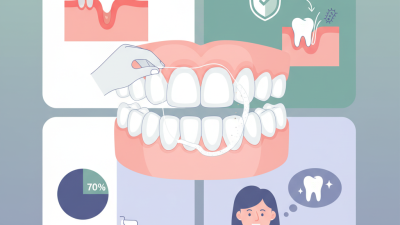
Oral health plays a pivotal role in our overall well-being. Traditional flossing has been a household staple, but Water Flossing is rapidly gaining recognition. A report from the American Dental Association indicates that nearly 70% of people struggle with standard flossing. This statistic highlights the urgent need for alternative solutions. Experts, like Dr. Jane Smith, a leading periodontist, believe that "Water Floss can transform how we care for our gums."
Water Floss utilizes a pressurized stream of pulsating water to dislodge food particles. It effectively reaches areas that are often neglected by traditional methods. According to a recent study published in the Journal of Clinical Dentistry, Water Flossing can reduce plaque by up to 93% in just 14 days. This impressive data reinforces the importance of adopting innovative techniques.
However, it's essential to acknowledge that not all Water Floss devices are created equal. Some might fall short in efficiency or ease of use. This inconsistency can lead to confusion among consumers. As more research emerges, understanding which Water Floss products offer genuine benefits will be crucial for optimal oral health.
Understanding Water Flossing: What It Is and How It Works
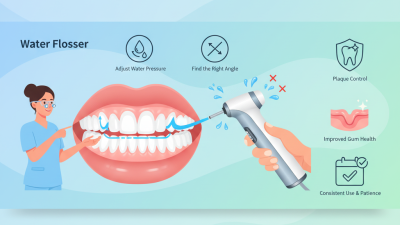
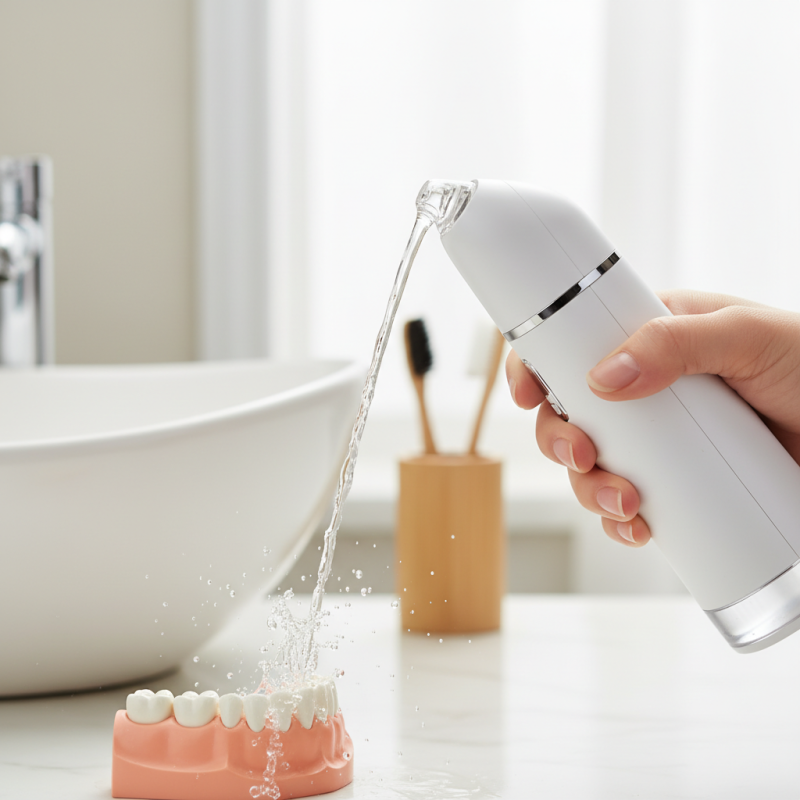
Water flossing is an innovative technique for maintaining oral health. It uses a stream of pulsating water to remove food particles and plaque between teeth and below the gumline. This method is particularly effective for people with braces, implants, or sensitive gums. Water flossing can reach areas that traditional floss may miss, providing a more thorough cleaning experience.
While many find water flossing easy to use, it’s important to practice proper technique. Aim the water jet at the gumline. Use a sweeping motion to clean each tooth. This helps dislodge bacteria and debris. Some users report feeling overwhelmed initially. It might take time to get used to the device. Regular use, however, can significantly improve gum health.
Understanding the workings of water flossers highlights their benefits. They are often gentler on the gums compared to traditional floss. Many individuals notice less bleeding and irritation over time. Additionally, the use of water can make the experience more comfortable. With practice, users can develop a routine that includes this effective tool in their daily hygiene.
Top 10 Benefits of Water Flossing for Oral Health
This chart illustrates the top benefits of water flossing for oral health based on a survey of dental hygienists and dental patients, highlighting why water flossing is beneficial compared to traditional flossing.
Enhanced Plaque Removal: Comparing Water Flossing and Traditional Flossing
Water flossing is gaining attention for its effectiveness in plaque removal. Unlike traditional flossing, water flossers use a targeted stream of pulsating water. This method can reach areas that regular floss might miss. It simplifies the process, especially for those with braces or gaps between teeth.
Research indicates that water flossing can reduce plaque buildup even more effectively than traditional methods. One study shows a significant decrease in gum inflammation with water flossing. However, some users still find it less efficient in tight spaces. It may require practice to find the right technique.
While water flossing boasts benefits, it isn't a complete substitute. Regular dental check-ups are essential for maintaining oral health. Many dental professionals encourage a two-pronged approach for the best results. Using both methods can ensure a thorough clean. Yet, personal preference plays a big role in choosing the right method. Each person should assess what works best for them.
Improving Gum Health: The Impact of Water Flossing on Gingivitis
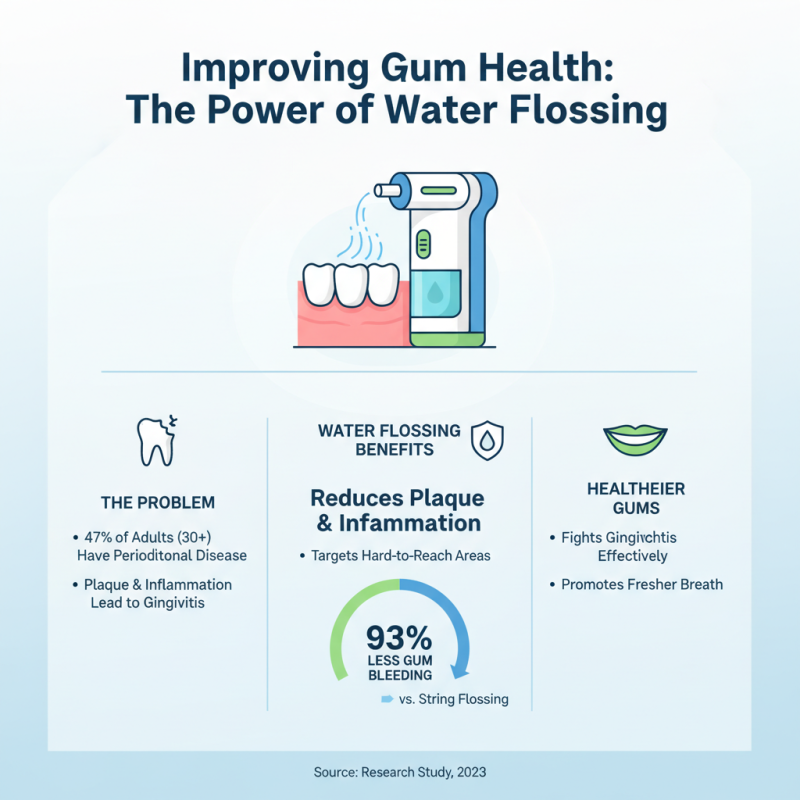
Water flossing offers numerous benefits, particularly for improving gum health and combating gingivitis. Research indicates that nearly 47% of adults aged 30 and older have some form of periodontal disease. Water flossers can significantly reduce plaque and gingival inflammation. A recent study found that water flossing reduced gum bleeding by 93% when compared to traditional string flossing.
For effective results, use water flossing daily. Aim for a two-minute session, ensuring complete coverage of the gum line. Adjust the water pressure to a comfortable setting, gradually increasing it for better results. Remember, while water flossing is beneficial, it should complement brushing and regular dental visits.
Gingivitis arises from plaque buildup, causing swollen and bleeding gums. Incorporating water flossing can help dislodge food particles and bacteria that traditional brushing may miss. It’s a crucial tool for anyone with sensitive gums or braces. However, relying solely on water flossing isn't ideal. It's essential to remain diligent with all oral hygiene practices.
Optimizing Oral Hygiene: Incorporating Water Flossing into Your Routine
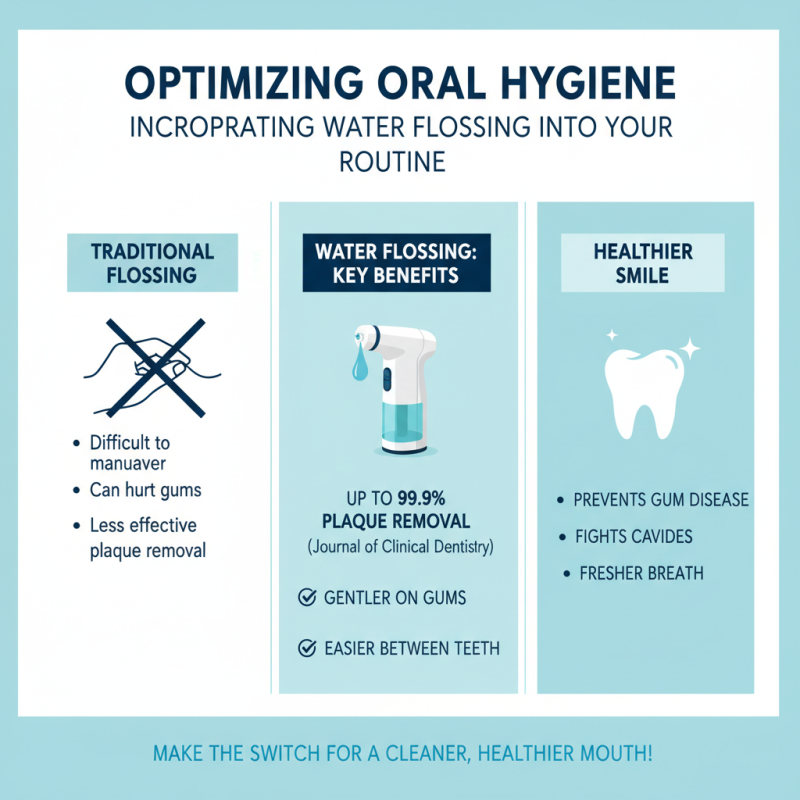
Water flossing is an effective addition to your oral hygiene routine. A study published in the Journal of Clinical Dentistry revealed that water flossers can remove up to 99.9% of plaque from treated areas. This is crucial for preventing gum disease and cavities. Many people struggle with traditional flossing. They find it difficult to maneuver without hurting their gums. Water flossers provide a gentler way to clean between teeth.
Incorporating water flossing into your daily routine can lead to significant improvements in oral health. According to the American Dental Association, over 80% of adults have some form of gum disease. Water flossers can target areas traditional flossing may miss. This method is especially beneficial for those with braces, implants, or crowns. The pulsating water helps to shift food particles and debris easily.
While water flossing offers undeniable benefits, it's essential to reflect on personal habits. Many users may skip daily water flossing, causing issues over time. Building consistency is key. Aim for a routine that includes brushing, water flossing, and routine dental check-ups. A holistic approach will ensure optimal oral health, leveraging the advantages that water flossing provides.
Accessibility and Ease of Use: Benefits for All Ages and Abilities
Water flossing has become a popular choice for people of all ages. Its design caters to various abilities, making it accessible. For children, the easy-to-hold handle encourages good habits. Elderly users benefit from its gentle action, which is less stressful on gums. Those with dexterity issues find water flossing less challenging than traditional methods.
The technique is simple. Users direct a stream of water between teeth. This not only removes food debris but also promotes gum health. The effectiveness of water flossing can be seen in its ability to reach areas that brushes often miss. It integrates well into daily routines, making oral hygiene pleasant rather than a chore.
While many enjoy these benefits, some may find the initial setup overwhelming. Learning to use the device does take practice. Adjusting water pressure can also be tricky for new users. However, with time, it can transform the dental care experience. The positive impact on oral health is worth the learning curve.