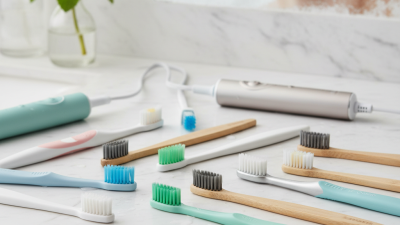
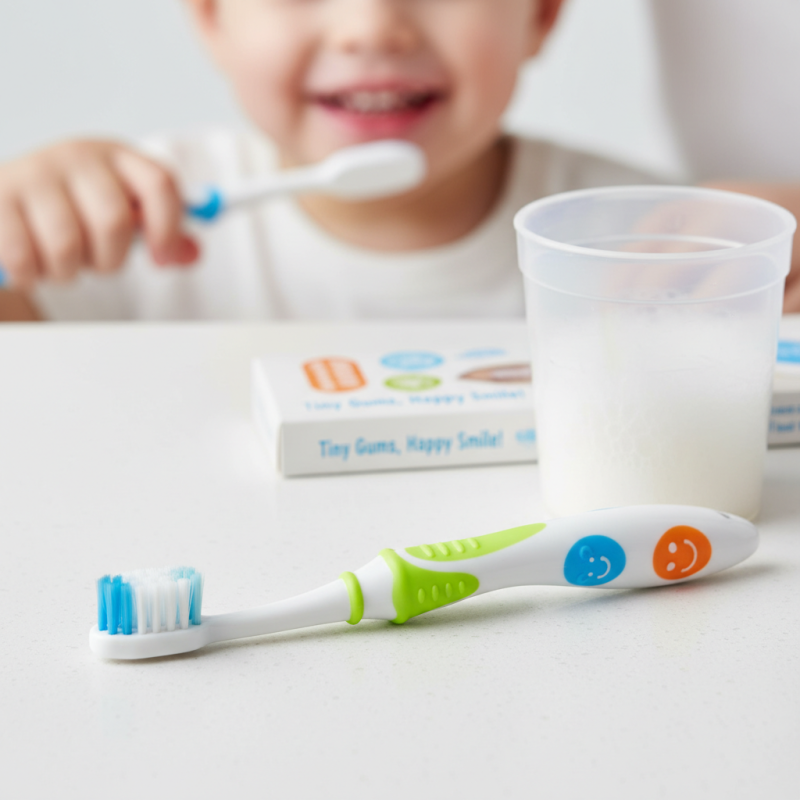
Best 10 Children Toothbrush Options for a Healthier Smile?
A bright smile starts with good dental habits, especially for children. Choosing the right children toothbrush can make a significant difference. Kids often resist brushing their teeth, but the right tools can change that.
Bright colors, fun characters, and comfortable grips can entice children to take care of their teeth. Soft bristles are essential for sensitive gums. Some brushes even have timers to encourage proper brushing duration. However, many parents overlook the importance of replacing toothbrushes regularly. A worn-out toothbrush can be ineffective and harm delicate teeth and gums.
Parents often struggle to find the best toothbrush. There's no one-size-fits-all solution. What works for one child might not work for another. It's essential to consider each child's preferences. This journey requires patience and exploration. With the right children toothbrush, you can foster a positive attitude toward oral hygiene, creating a happier and healthier smile.
Importance of Choosing the Right Toothbrush for Children
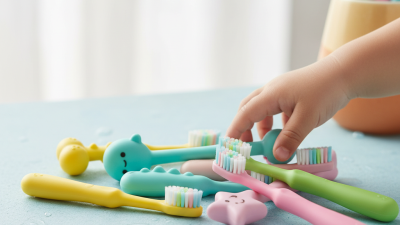
Choosing the right toothbrush for children is crucial for their dental health. A toothbrush designed for kids should fit comfortably in their small hands. Bright colors and fun designs can make brushing more enjoyable. Children often need encouragement to brush properly. A toothbrush that excites them can help instill good habits.
Brushing techniques matter, too. Many children struggle with holding the toothbrush correctly. Parents should guide them on how to reach all areas of their mouth. Soft bristles are gentle yet effective, reducing the risk of gum irritation. However, not all youngsters may be aware of this. They could unknowingly damage their gums if they use hard-bristled brushes.
Parents should regularly check their child’s toothbrush. Worn or frayed bristles don’t clean effectively. Timing is also important; replacing a toothbrush every three to four months is recommended. Yet, many forget this simple step. Investing time in reflection on these small details can lead to a healthier smile for children.
Features to Look for in Children's Toothbrushes
When choosing a toothbrush for children, there are several key features to consider. The size of the brush head should be appropriate for little mouths. Smaller heads allow for better access to hard-to-reach areas. Soft bristles are a must; they are gentle on tiny gums and still effective in cleaning. Many parents overlook this detail, but it’s essential for comfort.
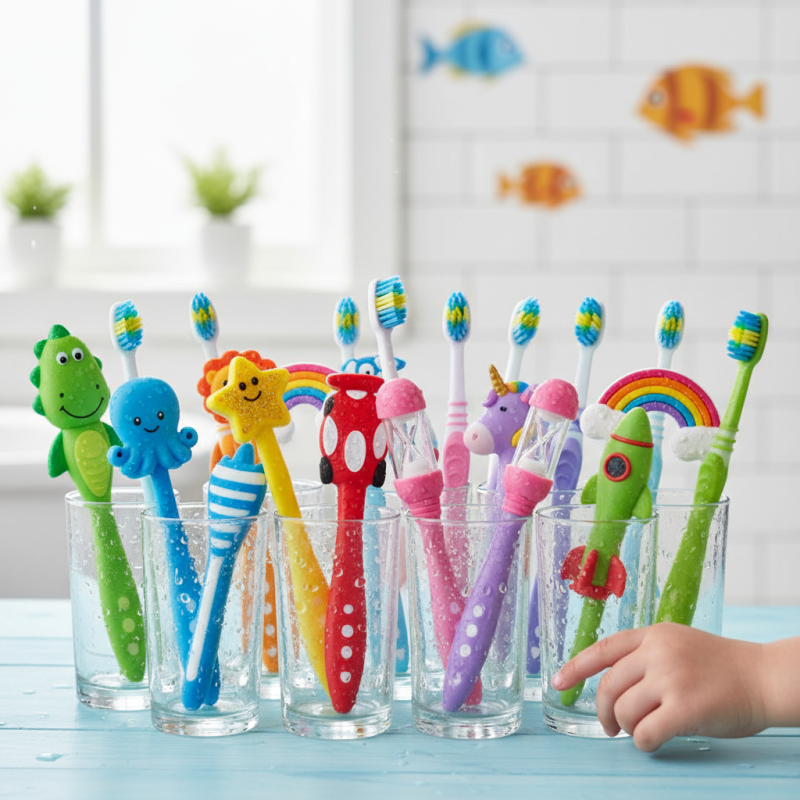
Next, look for a handle designed for small hands to grip easily. A non-slip grip can make brushing more manageable. Some toothbrushes come with fun colors or characters, which can motivate kids to develop good habits. However, it’s crucial not to depend solely on these designs to encourage dental hygiene.
Parents might find that their children lose interest quickly. It’s important to change the toothbrush regularly. A worn-out brush may not clean effectively, which can lead to dental issues. Kids may need guidance to understand the importance of brushing twice a day. Incorporating a fun routine can help them appreciate their dental health more.
Top 10 Recommended Toothbrushes for Kids
When selecting the right toothbrush for kids, it is crucial to focus on their unique needs. According to the American Dental Association, early investment in good dental habits is vital for preventing cavities. A suitable toothbrush can encourage children to brush regularly and effectively.
Soft bristles are key for a child's toothbrush. Gentle bristles help avoid gum irritation. Size matters too. A smaller head can reach tricky spots in a child's mouth. Children should feel comfortable holding their toothbrush. An ergonomic handle can provide a better grip.
Tips: Let kids choose their toothbrush. This can increase their interest in brushing. Supervise their brushing until they are about seven years old. Check if they are using the right amount of toothpaste. A pea-sized amount is recommended. Avoiding too much flossing too early is essential. It might frustrate them and lead to resistance.
Best 10 Children Toothbrush Options for a Healthier Smile
Tips for Encouraging Kids to Brush Their Teeth
Encouraging kids to brush their teeth can be a challenge. Many children resist the idea of dental hygiene. To make it easier, try turning brushing into a fun game. Use a timer and see if they can brush until the timer goes off. This will make it feel less like a chore.
Another effective tip is to let kids pick their toothbrush and toothpaste. Choices empower them and add excitement. A colorful toothbrush with their favorite character can spark interest. Having a say in their routine can make a big difference.
Incorporate brushing into a daily story or song. Sing about brushing away sugar bugs! This creative approach can capture their attention. Celebrate each brushing session with a sticker or small reward. Rewards can motivate children to keep up good habits. Remember, patience is key. There will be days when they refuse. Stay positive and support them in their journey towards a healthier smile.
Maintaining and Replacing Children's Toothbrushes Regularly
Maintaining children's oral health is crucial. Regularly replacing toothbrushes is a key part of this. According to the American Dental Association, a toothbrush should be changed every three to four months. This is essential as bristles wear out and become less effective. It's also vital to replace a toothbrush after a child has been sick. Germs can linger on the bristles, potentially leading to reinfection.
Inadequate toothbrush maintenance can have consequences. A recent study highlighted that 40% of parents don’t replace their children’s toothbrushes regularly. This can lead to ineffective cleaning. Children are still developing their brushing techniques, and worn-out brushes can hinder their progress. Furthermore, research from the Journal of Dental Research indicates that improper brushing increases the risk of cavities and gum disease in children.
Choosing the right toothbrush is only part of the challenge. It's also about fostering good habits. Encourage kids to pick their own toothbrushes. This can create excitement around oral care. However, remind them about the importance of replacement. Sometimes, kids can forget or simply not care. It's important to keep them engaged in their dental hygiene routine.