Best Denture Cleaner Options for Effective Oral Hygiene?
Maintaining proper oral hygiene is crucial for denture wearers. A good denture cleaner can significantly impact oral health. According to the American Dental Association, 1 in 5 adults over 65 wear dentures, and proper care reduces the risk of gum disease and oral infections. Many denture cleaners are available on the market, but choosing the right one is essential.
Studies show that inadequate denture cleaning can lead to the buildup of bacteria. This can result in bad breath and increased plaque formation. Some denture cleaners utilize enzymes that break down food particles, ensuring a more thorough clean. However, not all products guarantee effectiveness. Thus, exploring multiple options and understanding their ingredients is vital.
Despite being marketed as effective, some cleaners may not perform as promised. Many users overlook instruction labels, which can lead to improper usage and suboptimal results. Likewise, while many denture cleaners provide convenience, it's critical to remain aware of personal needs and dental advice. Finding the best denture cleaner is about balancing effectiveness with personal comfort and health requirements.
Overview of Denture Care and Importance of Cleanliness
Denture care is crucial for maintaining oral hygiene. A recent survey indicated that 70% of denture wearers neglect regular cleaning, risking oral infections and gum disease. Residue from food and plaque can build up on dentures, leading to bad breath and discomfort. Regular cleanliness not only ensures comfort but also extends the lifespan of dentures.
Tips: Rinse your dentures after meals. This simple action removes food particles and helps keep odors at bay. It's advisable to soak dentures in a cleaner recommended by dental professionals at least once a day. This can prevent stains and the development of harmful bacteria.
Research suggests that daily cleaning can reduce the risk of oral complications. Inadequate care may result in serious health issues. Dentures should be brushed gently with a soft-bristle brush and a mild cleanser to avoid damage. Many people overlook the importance of cleaning their gums and tongue, which is equally important to overall oral health.
Best Denture Cleaner Options for Effective Oral Hygiene
| Cleaner Type |
Main Ingredients |
Effectiveness |
Ease of Use |
Recommended Frequency |
| Foam Cleaners |
Sodium bicarbonate, surfactants |
High |
Very Easy |
Daily |
| Tablet Cleaners |
Sodium hypochlorite, citric acid |
Very High |
Moderate |
After each use |
| Liquid Cleaners |
Ethyl alcohol, surfactants |
High |
Easy |
Daily |
| Powder Cleaners |
Baking soda, calcium carbonate |
Moderate |
Easy |
3-4 times a week |
Types of Denture Cleaners Available on the Market
When it comes to denture maintenance, choosing the right cleaner is essential. The market offers multiple types of denture cleaners, each with unique properties. One popular option is effervescent tablets. They work by dissolving in water and creating bubbles. These bubbles help lift stains and debris effectively. However, some users may find the taste unpleasant.
Another type includes liquid cleaners, which often come with a brush for targeted cleaning. These are great for daily use. Yet, it’s crucial to rinse thoroughly after use, as residue can irritate gums. Some people prefer natural alternatives, such as baking soda or vinegar. They can be effective but might not eliminate all bacteria. Regular use of any cleaner can help maintain oral hygiene.
Overall, finding the right denture cleaner involves personal preference and sensitivity. Some might discover that a specific type works better for them. Reflection is vital; monitoring how well the chosen cleaner maintains cleanliness is essential. Experimenting with different options may lead to the best results. Always remember to consult a dental professional for tailored advice.
Best Denture Cleaner Options for Effective Oral Hygiene
Comparison of Chemical vs. Non-Chemical Cleaning Solutions
When it comes to denture cleaning, selecting the right solution is crucial for maintaining oral hygiene. Traditional chemical cleaners often contain substances that can damage denture materials over time. A study found that 30% of patients using chemical solutions reported issues with their dentures' fit after prolonged use. This reinforces the necessity of choosing gentler alternatives.
Non-chemical cleaning options, like baking soda or vinegar solutions, are becoming increasingly popular. Research indicates that these natural cleaners can effectively reduce bacteria without compromising the integrity of dentures. In fact, a 2022 report stated that patients using non-chemical methods had a 40% higher satisfaction rate regarding denture comfort and efficacy.
While chemical options might offer convenience, they sometimes lead to hidden risks. Some people may experience allergic reactions or sensitivity with certain chemicals. It’s important to reflect on individual needs and preferences when choosing a cleaner. This multifaceted approach ensures the best care for dentures and overall oral health.
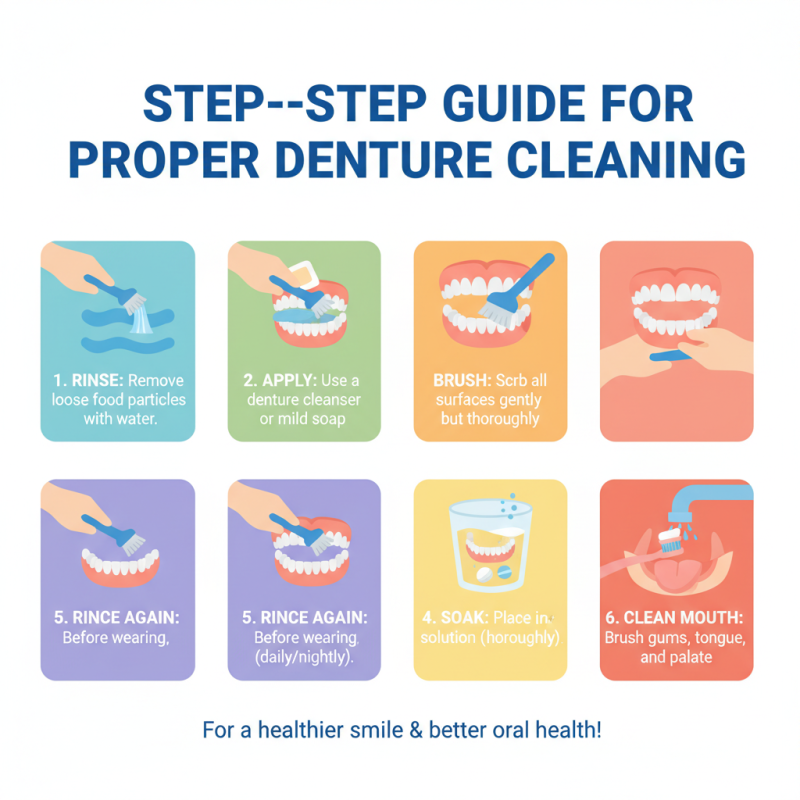
Step-by-Step Guide for Proper Denture Cleaning
Maintaining proper oral hygiene when using dentures is crucial. A clean denture not only feels better but also promotes overall oral health. Follow these steps for effective denture cleaning.
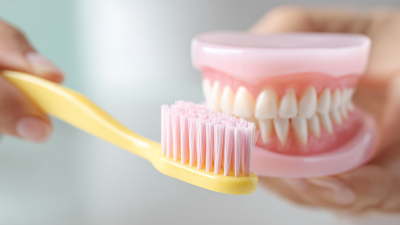
Begin by rinsing your dentures under warm water. This removes loose food particles. Next, use a soft-bristled brush designated for dentures. Scrub all surfaces gently but thoroughly. Avoid using regular toothpaste, as it can be abrasive. A specialized denture cleaner can be more effective and safe.
Tips: Always clean your dentures over a towel or a basin filled with water. This prevents breaking if you drop them.
After brushing, soak your dentures in a cleaning solution recommended by dental professionals. This helps remove stains and kill bacteria. After soaking, rinse thoroughly to avoid lingering chemicals.
Tips: Regular soaking can prevent tartar buildup. Make it a daily habit.
Finally, don't forget to clean your mouth. Use a soft cloth or brush to clean your gums and any remaining teeth. This routine promotes a healthy mouth environment.
Tips for Maintaining Oral Hygiene with Dentures
Maintaining oral hygiene with dentures is crucial for overall health. Studies show that about 30% of denture wearers experience oral infections. This can happen when dentures are not properly cleaned. Regular cleaning helps remove food particles and bacteria that can lead to plaque buildup.
Soak dentures nightly in a denture cleaner. This simple practice can significantly reduce bacteria. Additionally, brushing your dentures with a soft-bristle brush is important. Avoid using regular toothpaste, as it can be abrasive. While many believe soaking is enough, it’s not a complete solution. Dentures should also be rinsed thoroughly after soaking.
Diet matters too. Certain foods can stain dentures and harbor bacteria. After meals, rinse your mouth and dentures if possible. It’s essential to keep the mouth clean, even if you have no natural teeth. Regular dental check-ups are needed. These visits help monitor your oral health. Denture wearers must be proactive in their hygiene routine. Ignoring this can lead to more serious issues, including infections and discomfort.