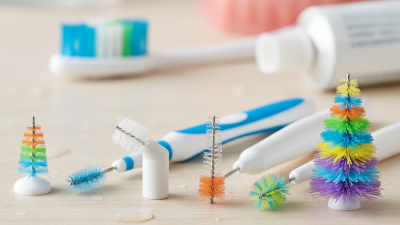
Discover the Best Interdental Brush for Optimal Oral Hygiene?
Maintaining optimal oral hygiene is crucial for overall health. One essential tool that is often overlooked is the interdental brush. This small yet effective device can reach areas that regular toothbrushes often miss. It effectively removes plaque and food particles between the teeth, where larger brushes cannot fit.
Choosing the best interdental brush can be challenging. With various sizes, shapes, and materials available, it can be overwhelming. Experience suggests that a proper fit is vital. A brush that is too large can cause discomfort, while one that is too small may not clean effectively. Professional advice can help narrow down the options suitable for your dental needs.
Incorporating an interdental brush into your daily routine can make a significant difference. Many users initially resist the change, thinking it's unnecessary. However, once they experience the benefits, they often reflect on how much better their dental health becomes. Finding the right brush can lead to improved gum health and fresher breath. Therefore, exploring your options is worth the effort.
Understanding the Importance of Interdental Brushes for Oral Hygiene
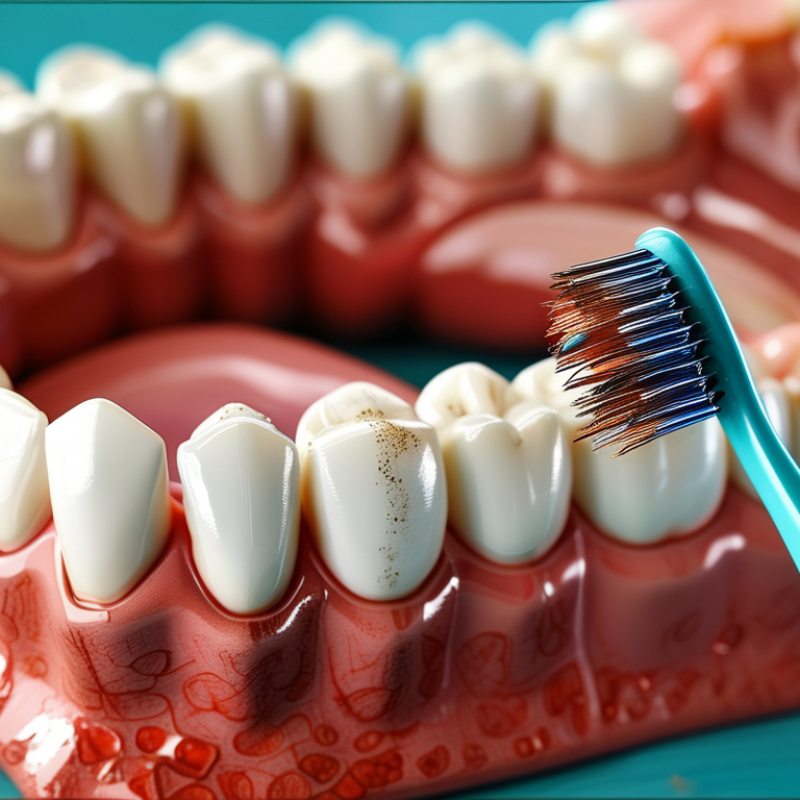
Interdental brushes are essential for maintaining optimal oral hygiene. Dental floss is effective, but many people overlook this powerful tool. Interdental brushes can reach spaces between teeth that regular toothbrushes cannot. These brushes come in various sizes, making them versatile for different gaps.
Using an interdental brush promotes gum health. It removes plaque and food particles that contribute to gum disease. Many users report fresher breath after incorporating interdental brushes into their routine. However, some may find them challenging to use at first. Practice is key. Finding the right size also requires experimentation.
Regular use of an interdental brush improves overall oral hygiene. It can minimize dental problems and reduce visits to the dentist. Yet, some users may neglect it, thinking brushing alone is sufficient. This oversight can lead to complications. Consistency is crucial in achieving long-term benefits. Remember, oral health is not just about the visible teeth; it involves the spaces in between.
Types of Interdental Brushes: Which One is Right for You?
Choosing the right interdental brush is essential for maintaining good oral hygiene. Different types of interdental brushes cater to various needs. Some have a tapered design, which is good for small gaps. Others have larger heads, suitable for wider spaces. Selecting one depends on the size of your gaps.
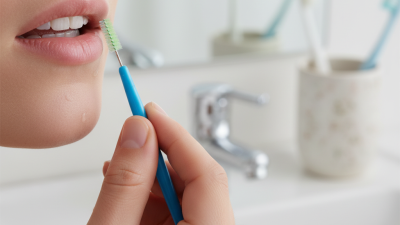
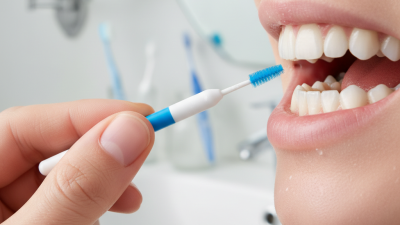
When using an interdental brush, technique is key. Gently insert the brush between your teeth. Avoid forcing it; this can cause discomfort. It’s normal to feel some resistance, but it shouldn't hurt. Remember to use it daily, alongside brushing and flossing. Regular use can significantly reduce plaque buildup.
Sometimes, people might feel overwhelmed by the choices. You might wonder whether to pick a reusable option or a disposable one. Each has its pros and cons. Reusable brushes are often cost-effective, but they require more maintenance. Disposable ones are more convenient, but they can be wasteful. Reflecting on your habits can help make the right choice.
Key Features to Consider When Choosing an Interdental Brush
When choosing an interdental brush, several key features come into play. Size is crucial; the brush should fit comfortably between your teeth. A brush that’s too large can cause discomfort and even damage your gums. Conversely, if it’s too small, it won't effectively remove plaque. It’s essential to find a size that suits your dental spacing.
The material of the bristles matters too. Soft bristles are gentler on gums, reducing the risk of irritation. Look for brushes with a quality construction designed to last. Flexible necks can help reach difficult areas, providing a thorough clean. Some users prefer a handle that allows better grip for ease of use.
Consider the shape as well. Some brushes have tapered ends for easier access between tight spaces. Others are designed with a wider base for stability. Ideal brushes should also be easy to clean and come with a storage case to maintain hygiene. Each person's dental health is unique, and finding the right brush may take time and experimentation. This process is not always straightforward, but it’s critical for achieving optimal oral hygiene.
Discover the Best Interdental Brush for Optimal Oral Hygiene
This chart illustrates the importance of various features to consider when choosing the best interdental brush for optimal oral hygiene. Each feature is rated on a scale from 0 to 10, highlighting their relevance in maintaining effective oral care.
How to Properly Use an Interdental Brush for Maximum Effect
Using an interdental brush can significantly elevate your oral hygiene routine. To maximize its effectiveness, it's crucial to understand how to use it properly. Start by selecting a brush size that fits neatly between your teeth. Too large, and it may cause discomfort; too small, and it may not clean effectively.
Hold the brush at an angle, typically around 45 degrees. Gently insert it between the teeth, applying light pressure. Focus on moving the brush back and forth in small motions. This helps to remove plaque and food particles effectively. Remember to clean each gap thoroughly; it may take some practice. Don’t rush the process, as it can lead to missed areas.
After use, rinse the brush under water. Inspect it for wear or damage regularly. A worn brush may not provide optimal cleaning. If you notice discomfort or bleeding, reassess your technique or consult a dental professional. Regular use of your interdental brush can prevent gum disease and enhance overall oral health. Over time, you’ll likely notice a significant difference in your mouth’s cleanliness and freshness.
Tips for Maintaining Your Interdental Brushes for Longevity
Interdental brushes play a crucial role in maintaining oral hygiene. However, their effectiveness relies heavily on proper care and maintenance.
Clean your brush regularly. Rinse it well after every use. This simple step prevents bacteria buildup.
Allow it to air dry completely, ensuring no moisture clings to the bristles.
Replace your interdental brush every few weeks. Signs of wear include bent bristles or a loss of firmness.
Using a worn brush can harm your gums and diminish its cleaning power.
It’s essential to store your brushes in a dry place. A damp environment encourages bacterial growth. Occasionally, inspect the brush for any visible signs of damage.
Remember to gently clean between your teeth. If you feel discomfort or see bleeding, reevaluate your technique.
Trying different brush sizes may yield better results. Not every brush will suit your mouth perfectly.
It’s normal to experience some trial and error. Keeping your brushes in good condition not only optimizes their function but also promotes better oral health overall.