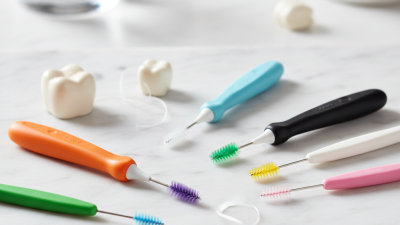
How to Choose the Best Denture Toothbrush for Optimal Cleaning?
Choosing the right denture toothbrush is crucial for maintaining oral hygiene. A good toothbrush can make a significant difference in cleaning your dentures effectively. Many people underestimate this essential tool.
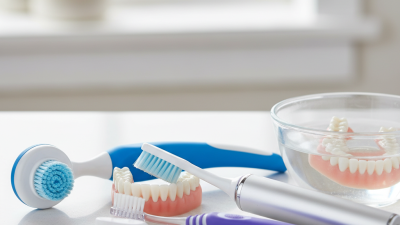
Denture toothbrushes are designed specifically for removable dentures. They feature soft bristles to prevent scratches while ensuring a deep clean. Some models include compact heads, making it easy to navigate around your dentures. However, not all denture toothbrushes are created equal. Users often face confusion when selecting the best one.
Consider your unique needs when choosing a denture toothbrush. Durability matters, as some brushes wear out quickly. Others may not reach all the crevices effectively. It’s essential to reflect on your experience and preferences. Selecting the ideal denture toothbrush requires research and careful thought. Ultimately, your choice can significantly impact your overall dental health.
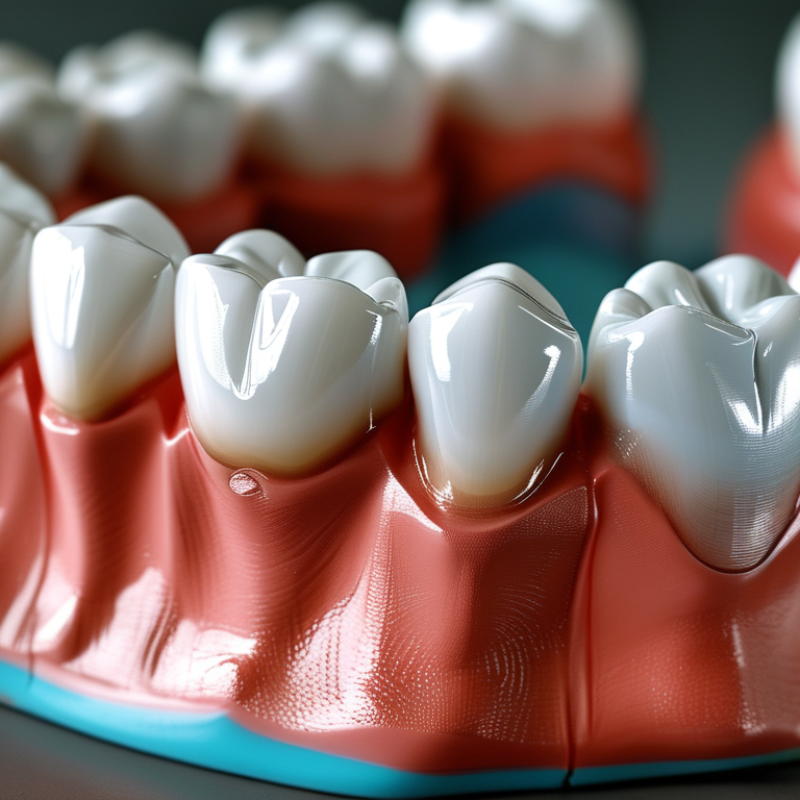
Understanding the Importance of Choosing the Right Denture Toothbrush
Choosing the right denture toothbrush is crucial for maintaining oral health. A good toothbrush can effectively clean dentures while preventing damage. An appropriate brush helps remove food particles and bacteria. This also reduces the risk of infections. Regular cleaning ensures that your dentures remain in optimal condition.
When selecting a denture toothbrush, consider bristle softness. Soft bristles are gentle on dentures and gums. Firm bristles might scratch or damage the surface. Additionally, a brush with a flexible head can help reach difficult areas. This flexibility enhances cleaning effectiveness. Look for a design that fits comfortably in your hand. Ease of use can encourage regular cleaning.
Try to establish a routine. Cleaning dentures should be a daily habit. Make sure to rinse your dentures before brushing. This removes loose debris. Don't forget to soak your dentures in a cleaning solution occasionally. This helps to eliminate stubborn stains and bacteria. Regular maintenance will prevent discoloration, and it can prolong the life of dentures. Remember to self-reflect on your cleaning habits. Are you doing enough to care for your dentures?
Key Features to Look for in a Denture Toothbrush
Choosing the right denture toothbrush involves considering specific features that enhance cleaning efficacy. Look for a brush with soft bristles. These bristles effectively remove plaque without damaging the surface of dentures. A brush with a non-slip handle is another essential feature. This ensures a firm grip, even when wet, allowing for greater control during cleaning.
It's beneficial to select a toothbrush designed specifically for dentures. These often have unique shapes that fit into various contours. Some may even offer specialized cleaning zones to tackle stubborn stains. Additionally, consider a brush that is easy to clean itself. This reduces the risk of harboring bacteria, an essential factor for oral health.
Reflect on your cleaning routine. Do you sometimes forget to clean your dentures? It’s crucial to make brushing a consistent habit. A dedicated denture toothbrush can serve as a reminder to take care of your dental health. When shopping, think about what features matter most to you and the specific cleaning challenges you face. This conscious choice can significantly improve your denture care experience.
How to Choose the Best Denture Toothbrush for Optimal Cleaning?
Comparing Different Types of Denture Toothbrushes
When selecting a denture toothbrush, it's essential to consider the different types available. There are soft-bristle brushes designed for gentle cleaning, ideal for sensitive gums. These brushes minimize the risk of irritation, while still effectively removing plaque. Another option is the ultra-soft brush, which provides an even gentler touch. It's perfect for anyone with delicate oral tissue.
Battery-operated or electric toothbrushes are also popular. They can offer a deeper clean through vibrations. However, they may not be necessary for everyone. Many find manual brushes do the job just fine. The key is finding what feels comfortable for you.
Cleaning techniques matter too. Always brush your dentures over a soft surface to prevent damage if you drop them. Use a mild soap or denture cleaner each time. Rinse thoroughly after brushing. It's vital to avoid abrasive materials that can scratch your dentures. Regular checks on the bristles help ensure their effectiveness.
How to Choose the Best Denture Toothbrush for Optimal Cleaning? - Comparing Different Types of Denture Toothbrushes
| Type of Toothbrush |
Bristle Type |
Effectiveness |
Comfort |
Price Range |
| Manual Toothbrush |
Soft |
Good |
High |
$5 - $15 |
| Electric Toothbrush |
Variable |
Excellent |
Medium |
$20 - $200 |
| Denture Brush |
Extra Soft |
Very Good |
High |
$3 - $10 |
| Interdental Brush |
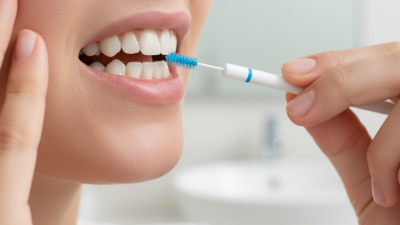
Soft bristle |
Good |
Medium |
$2 - $8 |
Tips for Properly Maintaining Your Denture Toothbrush
Maintaining your denture toothbrush is essential for optimal oral hygiene. Studies indicate that using a dedicated toothbrush for dentures helps to prevent plaque buildup and ensure longevity. Regular cleaning of the toothbrush itself is often overlooked but is crucial for effective denture care. To keep your denture toothbrush in peak condition, rinse it thoroughly after each use and store it upright to allow it to air-dry.
Regular replacement of your denture toothbrush is also vital for hygiene. Experts recommend changing it every three months or sooner if the bristles become frayed. This simple step can significantly reduce the risk of bacterial contamination. Also, consider using an antibacterial mouthwash to soak the toothbrush once a week, which can further reduce harmful bacteria.
Consider the way you handle your toothbrush. Overly aggressive scrubbing may damage your dentures. A gentle touch is key. As with all hygiene routines, reflect on your habits. Are you giving your toothbrush the care it requires? An often-neglected factor is the environment. Ideally, store your toothbrush in a dry, clean place, avoiding damp areas which can promote mold growth.
Best Practices for Cleaning Dentures with a Toothbrush
Cleaning dentures properly is essential for maintaining oral health. Using the right toothbrush for dentures can help remove food particles and prevent stains. Studies indicate that improper cleaning can lead to gum irritation and bacterial growth. A soft-bristled toothbrush is often recommended to avoid damaging the denture material.
To enhance cleaning effectiveness, brush the dentures daily. Gently scrub all surfaces, including the inner, outer, and chewing surfaces. A study published in the Journal of Prosthetic Dentistry emphasizes the importance of consistent cleaning to reduce the risk of oral infections. Rinsing the dentures under warm water after meals can also help remove debris.
Consider soaking dentures in a cleaning solution once a week. This can help combat tough stains and persistent odors. Monitoring your denture condition is important, as wear and tear may affect their function. Regular visits to a dentist for adjustments or replacements are advised. Being proactive can prevent issues before they arise.