How to Choose the Best Soft Toothbrush for Sensitive Gums?
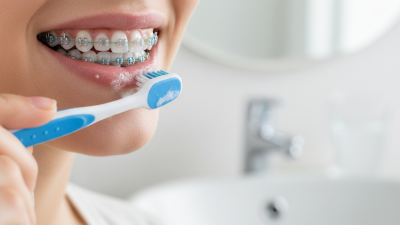
When it comes to dental care, choosing the right tools is essential. Dr. Emily Chen, a leading expert in dentistry, emphasizes, "A soft toothbrush can make all the difference for sensitive gums." This statement highlights the importance of selecting a suitable Soft Toothbrush to maintain oral health without causing discomfort.
Soft Toothbrushes are specifically designed to be gentle on the gums. They are ideal for individuals who experience irritation or bleeding after brushing. Many might believe that brushing harder leads to better cleaning, but this can harm the gums. Instead, a good Soft Toothbrush can effectively remove plaque while offering a gentle touch.
Individuals often overlook the significance of bristle softness. Ignoring this can lead to long-term damage. A gentle brush can provide an effective cleaning experience while promoting gum health. Evaluating options based on personal comfort and brushing technique is crucial. The right Soft Toothbrush not only protects your gums but also enhances overall dental hygiene.
Understanding Sensitive Gums and Their Care Requirements
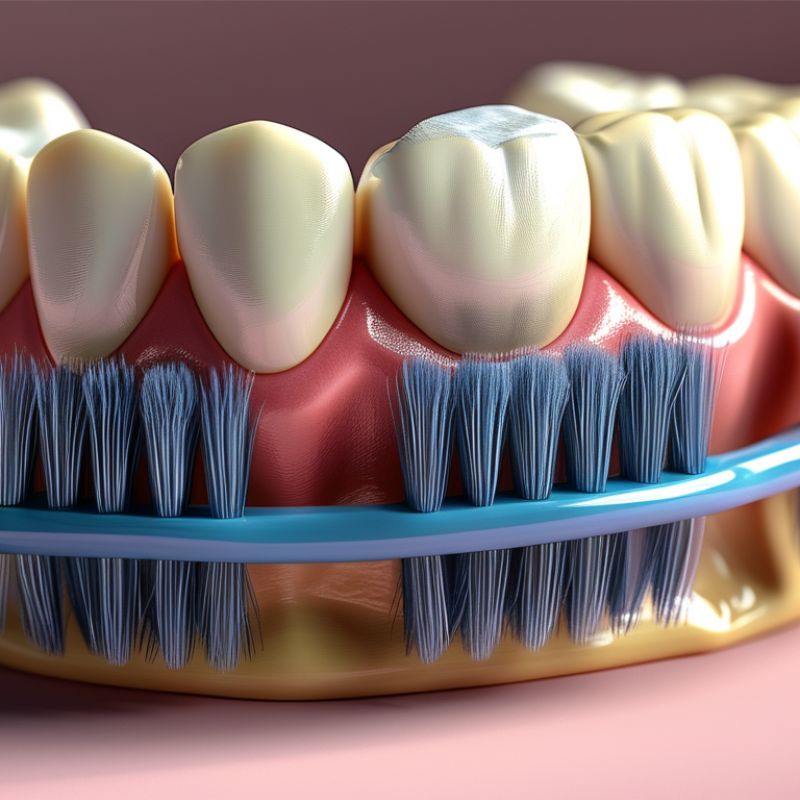
Sensitive gums can be a source of discomfort for many individuals. They may bleed or swell during brushing. Research indicates that nearly 40% of adults experience some level of gum sensitivity. This condition often arises from gum disease, aggressive brushing, or using harsh dental products. The need for gentle care is paramount.
Choosing the right toothbrush is critical. Soft bristles can minimize irritation and promote gum health. According to dentistry experts, using a soft toothbrush can reduce the risk of damage to sensitive gums by 50%. Additionally, the brushing technique plays a significant role. A gentle, circular motion is recommended rather than a back-and-forth scrub.
Tips for caring for sensitive gums include avoiding overly abrasive toothpaste. Look for fluoride-free options designed for sensitive mouths. Use a soft-bristled brush consistently. Regular dental check-ups are also essential to monitor gum health. Remember to replace your toothbrush every three months, or sooner if bristles fray. Regular care can prevent sensitivity from worsening.
Characteristics of the Best Soft Toothbrush for Sensitive Gums
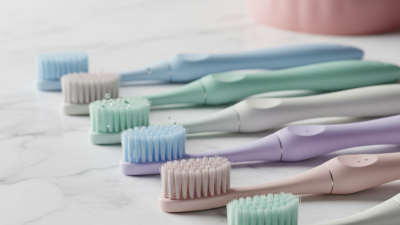
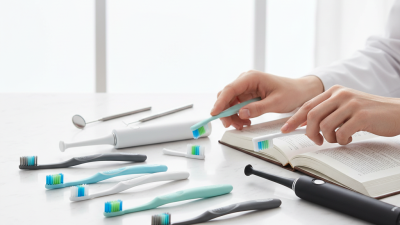
When selecting a soft toothbrush for sensitive gums, several key characteristics stand out. Look for bristles that are ultra-soft yet effective at removing plaque. These bristles should be gentle enough to avoid causing irritation, making them suitable for tender gums. A round-ended design can help minimize the chances of injury to the soft tissues in your mouth.
Consider the size of the brush head, as it should be small enough to reach all areas of your mouth comfortably. A smaller head allows for better maneuverability, especially in tight spaces. Additionally, a flexible handle can enhance your grip, giving you better control during brushing.
It’s vital to replace your toothbrush every three months or sooner if the bristles fray. A worn brush can be less effective and may harbor bacteria. Remember, the best toothbrush should feel comfortable in your hand and against your gums. Finding the perfect fit may take time and experimentation. Recognizing your needs is essential, so don’t hesitate to try different styles and designs until you find the one that truly works for you.
How to Choose the Best Soft Toothbrush for Sensitive Gums? - Characteristics of the Best Soft Toothbrush for Sensitive Gums
| Characteristic |
Description |
Benefits |
| Bristle Softness |
Soft bristles designed to be gentle on sensitive gums. |
Reduces gum irritation and discomfort while cleaning effectively. |
| Bristle Type |
End-rounded or polished bristle tips. |
Minimizes damage to delicate gum tissue. |
| Handle Design |
Ergonomically shaped with non-slip grip. |
Ensures comfort and control during brushing. |
| Head Size |
Compact head for easy access to all areas of the mouth. |
Enhances brushing effectiveness in hard-to-reach spaces. |
| Replaceable Heads |
Features that allow for head replacement. |
Promotes sustainability and ensures optimal brushing performance. |
| Bristle Pattern |
Multi-level bristle pattern. |
Cleans plaque efficiently while being gentle on gums. |
Choosing the Right Bristle Material and Type for Comfort
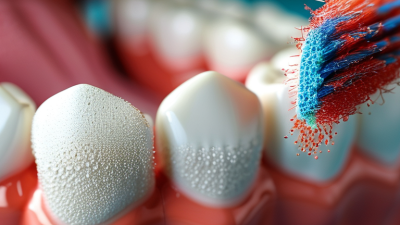
When selecting a toothbrush for sensitive gums, the bristle material and type play a key role. Soft toothbrushes often feature nylon bristles, which are gentle yet effective. Consider a brush with rounded bristle tips. These smooth edges help prevent gum irritation. They ensure a comfortable brushing experience while removing plaque.
Tips for ensuring comfort: Look for a toothbrush with varying bristle lengths. Varied lengths can clean hard-to-reach areas effectively. This can enhance your brushing routine without adding discomfort. Also, assess the handle's grip. A comfortable grip can make a significant difference during brushing.
Monitor your gums for signs of discomfort. If soreness persists, reevaluate your toothbrush choice. You might need a different bristle type or additional gentle techniques. Personal experiences can guide you; listening to your body's responses is vital. Brushing should never lead to pain, so don’t hesitate to get advice if needed.
Evaluating Handle Design and Ergonomics in Toothbrush Selection
When selecting a soft toothbrush for sensitive gums, handle design and ergonomics play a critical role. A well-designed handle can enhance your brushing effectiveness and comfort. Research shows that toothbrushes with non-slip grips reduce the risk of slippage, allowing for better control during brushing. For instance, a survey by the American Dental Association found that 72% of users prefer toothbrushes with ergonomic handles.
Ergonomic toothbrushes often feature contours that fit into the hand naturally. This design can reduce strain on the fingers and wrist during use. A study published in the Journal of Dental Research highlighted that users reported less discomfort when using toothbrushes with a comfortable grip. These ergonomic designs allow the brush to maneuver easily around the mouth, ensuring thorough cleaning without aggravating sensitive areas.
It’s worth noting that not all handle types suit every user. Some may find a thicker handle challenging to manipulate, while others prefer it for comfort. This variation in preference underscores the importance of trying different designs. For effective oral care, taking the time to evaluate handle design is essential, particularly for individuals with sensitive gums.
Comparison of Toothbrush Handle Designs for Sensitive Gums
Recommendations for Using a Soft Toothbrush Effectively
Using a soft toothbrush can greatly benefit those with sensitive gums. To maximize its effectiveness, start by choosing the right bristle firmness. A soft brush can help minimize irritation while still providing a thorough clean. Look for brushes labeled specifically for sensitivity. Pay attention to the shape of the bristles. Rounded edges can prevent gum damage while effectively removing plaque.
When brushing, use gentle pressure. Brushing too hard can aggravate sensitive gums. A light touch is often more effective. Aim to brush for at least two minutes, focusing on each quadrant of your mouth. Don't forget to pay attention to your gum line, as plaque can build up there easily.
Rinse your toothbrush thoroughly after each use. This helps remove bacteria and prevents wear on the bristles. Consider replacing your brush every three to four months, or sooner if the bristles fray. Also, think about your brushing technique. Pressing too hard or brushing too fast can lead to gum issues. Taking the time to adjust your method can make a significant difference in your oral health.