How to Choose the Best Adult Toothbrush for Your Dental Health?
Choosing the right Adult Toothbrush is crucial for maintaining good dental health. Dr. James Wilson, a leading dental expert, emphasizes, "A proper toothbrush can make a significant difference in your oral hygiene." With so many options available, it can be overwhelming.
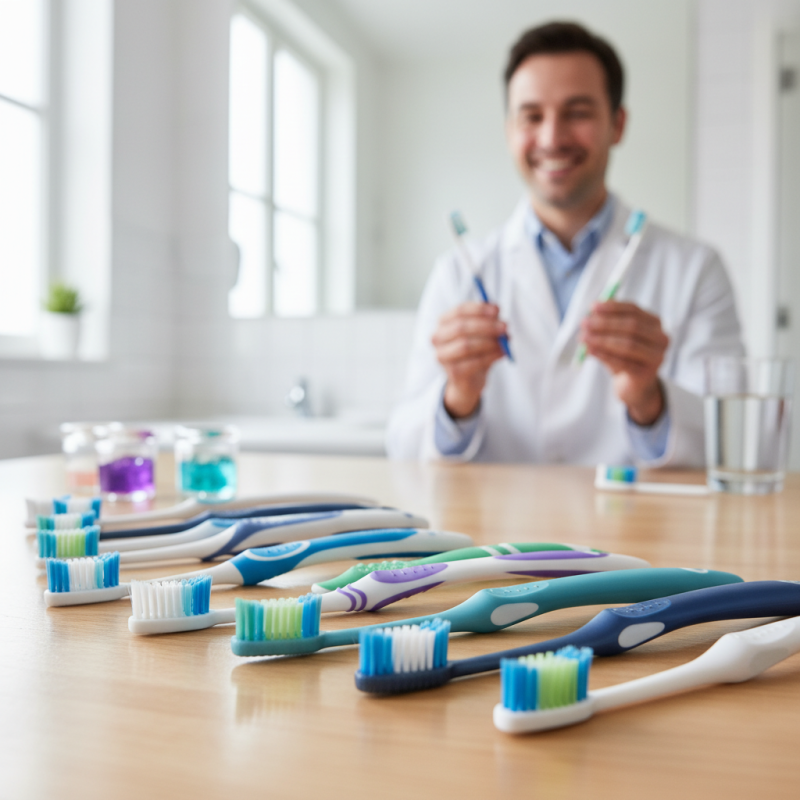
The features of an Adult Toothbrush vary widely. Some have soft bristles, while others are medium or hard. Soft bristles are often recommended for sensitive gums. On the other hand, harder bristles can damage enamel. Selecting the wrong type may hinder your oral care efforts.
Consider your specific needs. Do you have gum issues? Then a toothbrush with gentle bristles could be best. If you rarely experience sensitivity, a firmer brush may be appropriate. Ultimately, the right choice is personal. Your habits and preferences play a big role. Reflect on what has or hasn’t worked for you in the past.
Factors to Consider When Selecting an Adult Toothbrush
Choosing the right toothbrush is crucial for maintaining dental health. Various factors come into play when selecting an adult toothbrush. One key consideration is bristle firmness. The American Dental Association (ADA) suggests using soft bristles to prevent gum damage. Hard bristles might feel effective but can cause more harm than good in the long run.
Tip: Test different bristle types to find what feels right for you. A good toothbrush should clean effectively without causing discomfort. Consider the size and shape of the toothbrush head. A compact head can help reach those tricky areas in your mouth. Research shows that smaller heads are more effective at reducing plaque accumulation.
Handle design is also important. A comfortable grip can encourage proper brushing technique. Some people prefer ergonomic designs, which may help in maintaining a steady hand. However, not everyone finds these designs work well for their needs.
Tip: Spend time in the dental aisle. Pick up brushes and see what feels best in your hand. Remember, this selection process can take time. It’s okay to experiment and find the toothbrush that suits you best. Don't hesitate to reassess your choice every few months. You may discover your needs change over time.
How to Choose the Best Adult Toothbrush for Your Dental Health?
This chart illustrates the important factors to consider when selecting an adult toothbrush, along with their relative importance. The data reflects average preferences from surveys conducted with dental health professionals.
Types of Toothbrushes: Manual vs. Electric
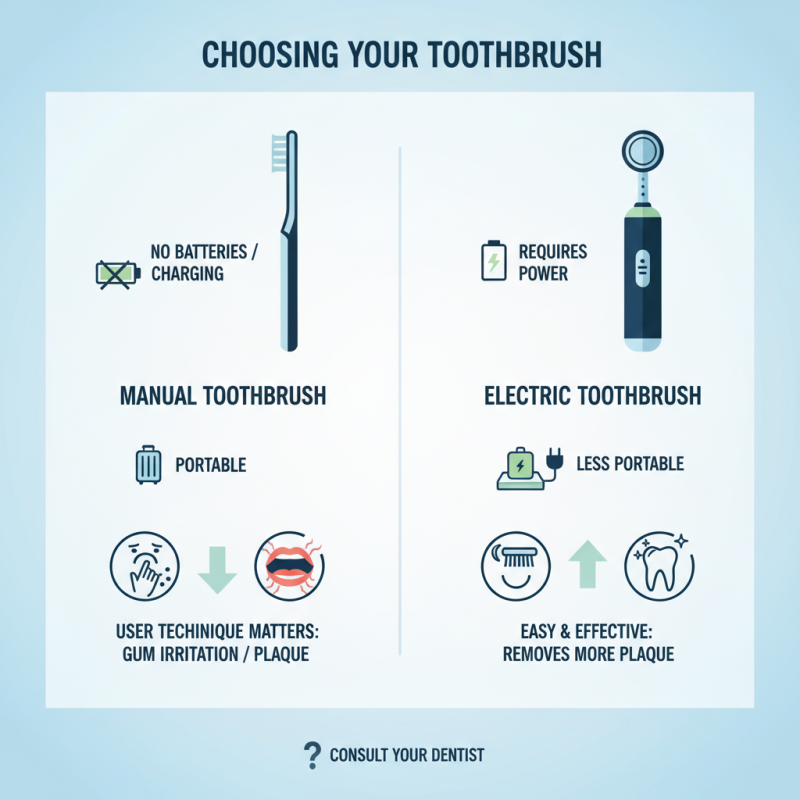
When choosing a toothbrush, consider the main options: manual and electric. Manual toothbrushes are simple. They don't need batteries or charging. You can take them anywhere. However, many people don’t use them correctly. They might press too hard or skip brushing certain areas. This can lead to issues like plaque buildup or gum irritation.
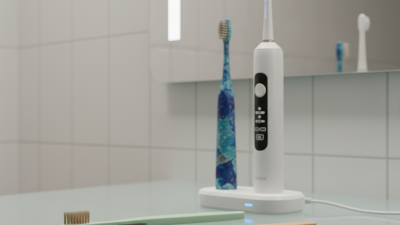
Electric toothbrushes offer different benefits. They often have timers and pressure sensors. These features encourage better brushing habits. The vibrations can help remove plaque more effectively. However, some users may still struggle to reach the back teeth properly. Additionally, electric brushes can be expensive. They need charging, which might not suit everyone's lifestyle.
Ultimately, the choice depends on personal preference and oral health goals. Some people swear by electric toothbrushes, while others prefer manual brushes. Assess your habits and find what works best for you. Think about how often you change your brush and the technique you use. Reflect on whether comfort and effectiveness align in your choice.
Bristle Types: Soft, Medium, and Hard Explained
When selecting the right toothbrush for your dental health, bristle type plays a crucial role. Many dentists recommend soft bristles for daily use. A study published in the Journal of Clinical Dentistry showed that 75% of dental professionals prefer soft brushes. Soft bristles clean effectively without damaging the gum line. They can remove plaque while being gentle on sensitive areas.
Medium and hard bristles are often viewed as more efficient for cleaning. However, research suggests that they may cause gum recession and enamel wear over time. A report by the American Dental Association indicates that excessive force during brushing can lead to these issues. In fact, 30% of patients show visible damage from using hard bristle brushes. This raises an important question: Is the extra cleaning power worth the risks?
Some users may feel dissatisfied with soft bristles, claiming they do not clean well enough. This perception can lead to misguided choices. Adjusting your brushing technique can enhance cleaning efficiency with soft bristles. It’s essential to balance effectiveness with safety for long-term dental health. Understanding your own needs is key.
Size and Shape: Finding the Right Fit for Your Mouth
Choosing the right size and shape of a toothbrush is crucial for effective oral care. An ill-fitting toothbrush can create inaccessible areas in your mouth. When the bristles are too large, it may be hard to clean behind your back teeth. On the other hand, a very small brush might not cover enough surface area.
The head of the toothbrush should allow you to reach all parts of your mouth comfortably. People often overlook this detail. A brush that is too bulky can cause users to miss spots. However, a slim handle offers better maneuverability. A toothbrush with a contoured or angled head can sometimes reach areas that are typically hard to clean, like molars or the inner surfaces of teeth.
Reflecting on personal experiences can help pin down the right fit. Many find themselves struggling with toothbrushes that are awkward in their grip or too dense in bristle coverage. It might take time to discover what works best, but the right toothbrush can make a noticeable difference in overall dental health. Consider trying a few different options to find the perfect balance between comfort and effectiveness.
How to Choose the Best Adult Toothbrush for Your Dental Health? - Size and Shape: Finding the Right Fit for Your Mouth
| Toothbrush Type |
Size |
Shape |
Best For |
| Manual Toothbrush |
Standard |
Straight |
General Use |
| Electric Toothbrush |
Compact |
Ergonomic |
Thorough Cleaning |
| Soft-Bristle Toothbrush |
Standard |
Flexible |
Sensitive Gums |
| Children's Toothbrush |
Small |
Fun Shapes |
Kids |
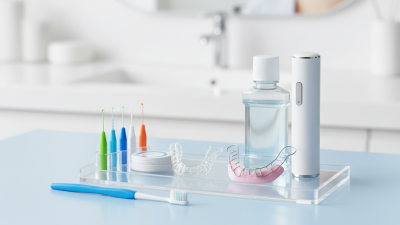
| Interdental Brush |
Narrow |
Small Head |
Between Teeth |
Additional Features: Special Designs for Enhanced Dental Care
When choosing an adult toothbrush, special designs can enhance your dental care experience. Consider ergonomic handles for comfort. These designs reduce strain during brushing. A good grip can make a noticeable difference, especially when you brush for longer periods.
Tips: Look for brushes with soft-bristles. They are gentle on gums and effective at cleaning. Medium or hard bristles can sometimes cause damage. Choose a shape that fits comfortably in your mouth. Some people may find a smaller head more manageable.
Another feature to consider is a built-in timer. This helps ensure you brush for the recommended two minutes. While this might seem unnecessary, it encourages better brushing habits. You might discover that you don’t consistently brush long enough. Reflect on your routine and see where you can improve. With the right features, your dental health can significantly benefit.