How to Choose the Best Dental Floss for Your Needs?
Choosing the right dental floss can be overwhelming. There are many options available, each with unique features. Understanding your needs is crucial in making the best choice.
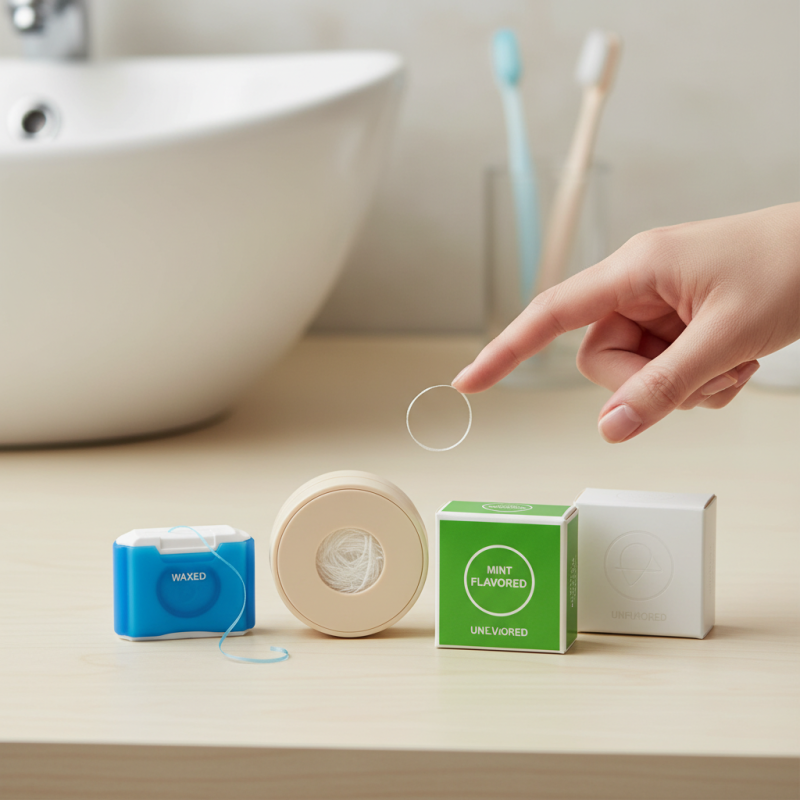
Dental floss comes in various types, such as waxed, unwaxed, flavored, and unflavored. Each type serves a different purpose. For instance, waxed floss slides easily between tight spaces, while unwaxed floss offers better grip. Consider your dental health needs when selecting.
It's essential to reflect on your personal habits. Do you floss daily? Are you gentle or rough? These factors determine which dental floss is best for you. Consulting with your dentist can provide valuable insights. They can recommend specific products suited to your individual dental health.
Factors to Consider When Selecting Dental Floss for Different Needs
When selecting dental floss, consider your specific needs. Different types of floss cater to various preferences and dental conditions. For instance, waxed floss glides easier between teeth, ideal for tight spaces. Unwaxed floss, on the other hand, can better provide tactile feedback during use.
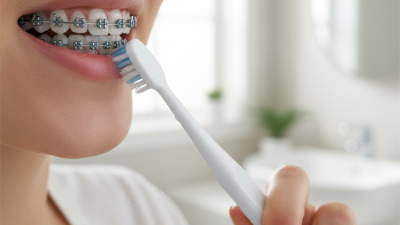
Tips for selecting floss: If you wear braces or have other dental appliances, look for a thicker, more durable option. If you have sensitive gums, opt for softer materials. It’s crucial to check for ADA approval, signaling it’s effective and safe.
Don’t forget about flavor! Some flosses come with mint or cinnamon flavors. This can make your flossing routine more enjoyable. Reflect on your experience. Is your current floss easy to use? Do you find yourself skipping flossing? Understanding your preferences helps in making a better choice.
Types of Dental Floss: Comparing Waxed, Unwaxed, and Specialized Options
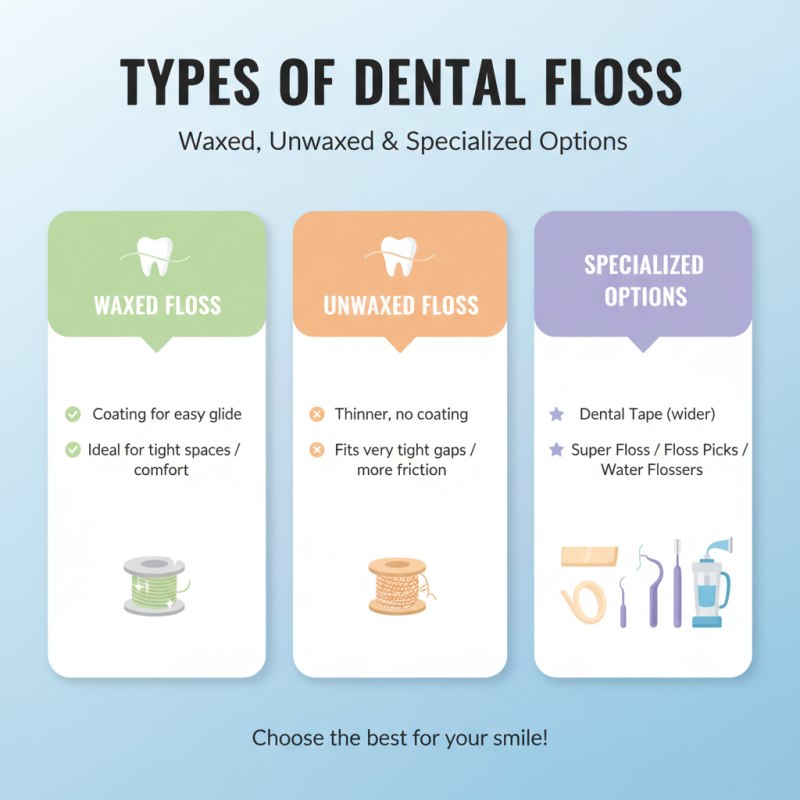
When it comes to dental floss, understanding the options is crucial. Waxed and unwaxed floss are the two main types. Waxed floss features a thin coating, making it glide easily between teeth. This can be beneficial for those with tightly spaced teeth. It is often more comfortable and prevents fraying. Unwaxed floss, on the other hand, is thinner and can fit into tighter gaps. However, it might not slide as smoothly, potentially leading to a less effective clean.
Specialized dental floss options cater to unique needs. Some flosses are designed for sensitive gums, providing a gentler experience. Others are infused with flavors or additional cleaning agents. These can make the flossing experience more pleasant. For individuals with braces or dental work, orthodontic floss is a wise choice. It is often thicker or has a specialized tip to reach tricky spots. Every option has its merits, and the right choice varies from person to person. Evaluating your own comfort and dental requirements is essential in making the best decision.
Evaluating Floss Thickness: Understanding Diameters for Optimal Use
Choosing the right dental floss involves understanding the thickness and diameter that best suits your needs. Dental floss typically comes in varying thicknesses. A thinner floss may glide easily between tight teeth. It can help prevent gum bleeding for some users. However, thicker floss can be more effective at removing plaque and food particles from wider gaps.
When selecting floss, consider the spacing between your teeth. If you have crowded or tightly spaced teeth, a thinner floss may be more manageable. For those with wider gaps, thicker options can offer better plaque removal. Pay attention to how the floss feels when you use it. Uncomfortable floss can cause you to avoid cleaning your teeth properly.
Tips for Choosing Dental Floss: Test different types of floss to find what suits you best. Don’t hesitate to switch if you’re unhappy. Also, consider using waxed floss if you struggle with shredding. Waxed versions slide more smoothly between teeth. Lastly, be patient in your search. Finding the perfect floss may take time and reflection on your habits. Each mouth is unique, requiring a personalized approach.
The Importance of Floss Material: Exploring Nylon vs. PTFE Variants
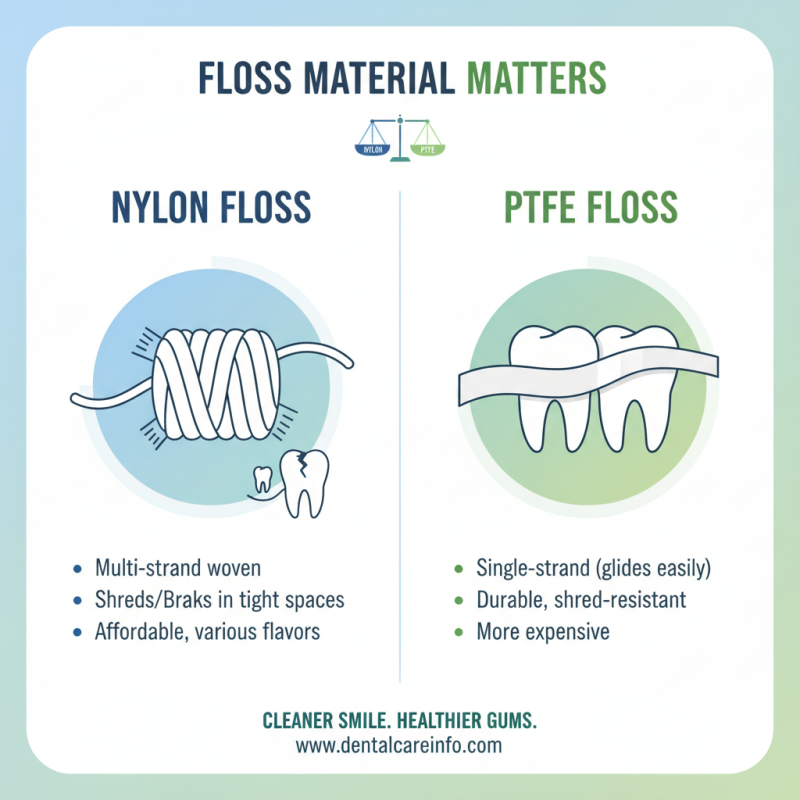
Floss material plays a crucial role in dental care. The two main types are nylon and PTFE. Nylon floss consists of multiple strands woven together. It can shred or break when used on tight spaces. However, nylon is affordable and available in various flavors. This can make flossing more enjoyable for some users.
PTFE floss, on the other hand, glides smoothly between teeth. It's resistant to shredding, making it ideal for tighter gaps. Many find it easier to use, leading to regular flossing habits. The choice often comes down to personal preference and dental needs.
When choosing floss, consider these tips: Test both types to see what feels right. Examine how each type interacts with your teeth. Don’t hesitate to switch if you find one less effective. Always consult with a dentist for guidance tailored to your oral health. Regular flossing should be a habitual part of your routine. It can prevent plaque buildup and protect your gums.
Understanding Floss Flavors and Coatings: Enhancing User Experience and Compliance
Choosing the right dental floss extends beyond its type; the flavors and coatings play a significant role in user experience. Recent studies indicate that 70% of users prefer flavored floss. This preference enhances motivation to floss regularly. Many users find mint or cinnamon flavors more appealing than unflavored options. Such choices can lead to better compliance with daily oral hygiene routines.
Floss coatings also influence user satisfaction. Waxed floss provides a smooth glide, making it easier to navigate between teeth. In contrast, unwaxed options might feel rough but can offer a better grip. A survey from the American Dental Association noted that 55% of respondents find coated floss easier to use. However, some users report difficulty in choosing between the two types. It's essential to consider personal preferences and comfort.
Some people struggle with flossing due to its texture or taste. This can lead to skipping this vital step in oral care. Selecting exceptionally flavored or coated floss might help elevate the overall experience. Individuals should reflect on their preferences and try different options. Trying out multiple brands may ultimately lead to finding the perfect fit for one’s needs.
Dental Floss Preferences by Flavor and Coating Type