Inquiry
Form loading...

How to Choose a Dental Floss Keychain Supplier

Choosing a Dental Floss Keychain supplier is a small purchasing decision with real quality implications. A case should fit comfortably in a pocket, open without snagging, and protect the floss from lint and moisture. The floss itself matters just as much. Ask for material specifications, sample units, production capacity, and evidence that repeat batches match the approved sample. A glossy product photo proves little.

The CDC’s national oral health data estimated that 42.2% of U.S. adults aged 30 or older had periodontitis, using examination data from 2009–2014. The figure is not a direct measure of floss demand, but it shows why reliable daily interdental-care products matter. The American Dental Association recommends cleaning between teeth once a day. Dr. Edmond Hewlett, a UCLA dental professor and ADA spokesperson, has emphasized the role of daily cleaning between teeth in oral care. For buyers, that means supplier claims should be checked against practical details, not just attractive packaging.

Look closely. Test the lid with one hand. Pull several strands from each sample and note whether they fray, snap, or feel rough. Ask how the supplier controls dimensions, color, and packaging across production runs. Then compare lead times and sample-to-order consistency. A low quote can be tempting; it may also conceal weaker materials or uneven finishing. That deserves a second look. Even careful buyers can miss small defects before mass production, so keep written specifications and inspect a pre-production sample. These steps make choosing a Dental Floss Keychain supplier more evidence-based—and less dependent on promises.
How to Choose a Dental Floss Keychain Supplier

Define Your Dental Floss Keychain Product Requirements

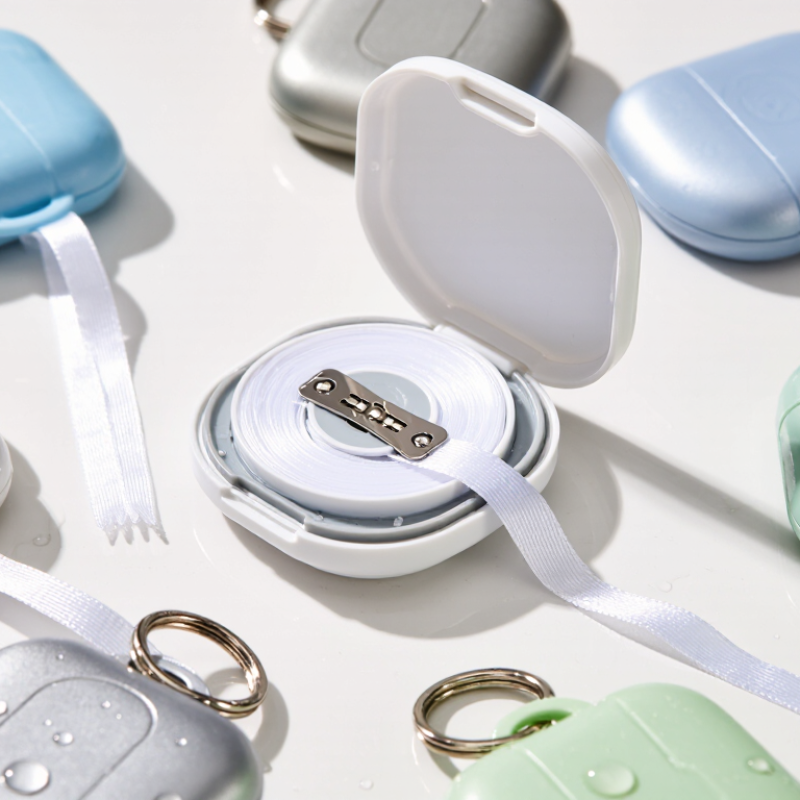
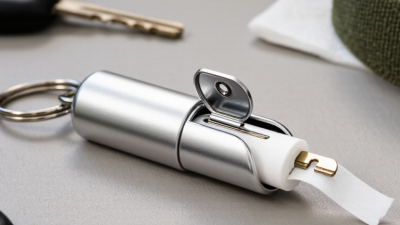
When choosing a dental floss keychain supplier, define the product before comparing quotations. A low price means little when the dimensions remain unclear. Specify the floss length, thickness, flavor, and intended user group. Decide whether the dispenser uses a cutter, a pull tab, or both. State the keychain material, clasp type, finish, and maximum weight. Ask for a technical drawing with measurements, not only a product photograph. Small details matter. A three-millimeter edge can feel sharp during daily use. Request samples showing real floss tension, refill access, and closure strength.

Your requirements should also cover hygiene, packaging, and quality checks. Identify the packaging size, printing method, storage conditions, and labeling information. Request material declarations and test records relevant to the product’s intended market. Set practical acceptance limits for loose threads, cracked shells, weak clasps, and uneven cutting edges. In practical sourcing, approving appearance before testing function often creates avoidable problems. A glossy surface may hide a dispenser that jams after several uses. Ask the supplier to provide samples from more than one production batch when possible. Keep every specification in one dated document. Your draft may be incomplete. That is acceptable, if testing reveals what needs changing. Include a small trial order before committing to larger quantities.
How to Choose a Dental Floss Keychain Supplier

Define measurable product requirements before comparing suppliers. This example buyer checklist rates the importance of each requirement on a 1–5 scale; adjust the scores to match your project.

Prioritize floss type and length, dispenser usability, and secure keychain attachment. Confirm material, packaging, customization, and quality-control requirements with suppliers before requesting quotes or samples.

Assess Supplier Experience and Manufacturing Capabilities

A supplier’s experience shows in how they handle small details, not just in a polished catalog. Ask how long they have made dental floss keychains and which production steps they manage in-house. A team familiar with compact molded parts should be able to explain how it controls floss-cutter fit, case closure, and assembly consistency. Ask for sample units from a regular production run, not only a hand-finished prototype. Check the hinge, edges, and floss tension yourself.

Manufacturing capacity matters when an order grows or a deadline shifts. Ask about monthly output, equipment, staffing, and backup plans for material delays. Request a clear outline of inspection points, such as checking cutter alignment and testing whether cases stay closed after repeated handling. Useful records may include batch checks and defect tracking. Specific answers build confidence. Vague promises do not. A supplier’s stated capacity can still change, so confirm it against recent orders and realistic lead times.

There may be trade-offs. A small workshop might offer closer communication but have less room for urgent volume; a larger factory may need more setup time for custom details. Ask who reviews design changes and how samples are approved before production. Share a simple drawing with dimensions, then compare the delivered sample against it. One overlooked issue is how easily the keychain loop snags on fabric. Test it on a bag zipper or key ring. It is a minor check, but not a pointless one.

How to Choose a Dental Floss Keychain Supplier - Assess Supplier Experience and Manufacturing Capabilities
Assessment Dimension What to Verify Evidence to Request Why It Matters
Relevant manufacturing experience Experience producing compact oral-care products, floss picks, or similar injection-molded items. Product catalog, production history, sample references, and examples of comparable projects. Relevant experience can help the supplier anticipate design, assembly, and packaging requirements.
Production capabilities Available molding, trimming, assembly, inspection, and packaging processes. Facility overview, equipment list, process flow, and production capacity information. In-house capabilities can improve process control and make production planning more predictable.
Material specifications Materials used for the handle, floss, and any keychain attachment; confirm suitability for the intended market and use. Material data sheets, supplier declarations, and applicable test documentation. Clear specifications support consistent product quality and help buyers assess regulatory and safety requirements.
Quality management Documented inspection procedures, defect handling, traceability, and corrective-action practices. Quality manual summary, sample inspection records, and relevant certification documents, where applicable. A repeatable quality system helps identify issues before products are shipped.
Product testing Checks for floss strength, handle integrity, attachment security, and workmanship. Test methods, acceptance criteria, and recent test reports for comparable products. Testing provides evidence that products meet agreed specifications under normal handling and use.
Customization and tooling Ability to support custom colors, shapes, packaging, logos, or dedicated molds. Design files, tooling terms, sample approval process, and written ownership conditions. Written details clarify customization limits, development responsibilities, and tooling arrangements.
Sampling and approval Availability of pre-production samples and a documented process for approving specifications. Sample timeline, sample charges, approval checklist, and change-control procedure. Approved samples provide a reference for evaluating mass-production consistency.
Capacity and lead time Realistic output, seasonal constraints, minimum order quantity, and replenishment lead time. Capacity estimate, production schedule, minimum order terms, and recent delivery performance data. Accurate planning reduces the risk of delays or supply interruptions.
Packaging and export readiness Packaging options, carton protection, labeling support, and experience preparing export shipments. Packaging specifications, carton dimensions, labeling samples, and shipping documentation checklist. Suitable packaging helps protect products and supports efficient receiving and distribution.
Communication and service Responsiveness, clarity of quotations, handling of technical questions, and escalation contacts. Quotation with itemized costs, named project contact, and written response-time expectations. Clear communication makes requirements, changes, and delivery expectations easier to manage.

Compare Product Quality, Materials, and Safety Standards

How to Choose a Dental Floss Keychain Supplier

When comparing suppliers, inspect the floss, handle, case, and keychain together. The floss should slide smoothly without shredding between tight teeth. Test several pieces, not only one sample. A strong handle should resist bending, cracking, and sharp edges during repeated use. The keychain also needs secure attachment. A loose ring can cause loss or contamination.

Material choice affects both comfort and safety. Ask whether the floss contains nylon, PTFE, or another clearly identified material. Request information about dyes, coatings, adhesives, and plastic additives. For oral-contact products, ask for recent chemical and microbiological test reports from competent, independent laboratories.

Check whether the factory follows relevant safety requirements in your target market. Batch numbers and traceable production records add practical reliability. I once focused too much on packaging appearance. That was a poor filter. Clean design cannot replace tested materials.

Tips: Compare samples from different production batches. Check tensile strength, odor, surface smoothness, and cutting edges. Ask how rejected products are controlled. Review certificates carefully, including laboratory names, test dates, and product descriptions. A supplier that answers vaguely deserves closer review. No checklist is perfect. Your own repeated-use testing may reveal issues that documents miss. Also examine sealed packaging, storage conditions, and instructions that prevent moisture or dust from reaching the floss.

Review Customization Options, Pricing, and Order Terms

When comparing dental floss keychain suppliers, ask for customization details in writing. Options may include case color, logo placement, printing method, floss length, and individual packaging. Request photos of similar work, plus a physical sample if the finish matters. A small logo can look clear on screen but blur on a curved plastic case. Samples help. Check that the floss dispenser opens smoothly and that the refill can be replaced, if that feature is offered.


Compare quotes at the same order quantity. A low unit price may exclude setup fees, custom packaging, or freight. Ask how prices change across quantity tiers, and whether artwork revisions cost extra. Request an itemized quote with currency, shipping method, and estimated delivery date. The details can feel fussy, but they prevent awkward surprises. I would not assume a sample represents every production unit; ask how the supplier checks print alignment and product function during a larger run.


Before paying, confirm the minimum order quantity, deposit, balance due date, production timeline, and what happens if goods arrive damaged or differ from the approved sample. Clarify whether the timeline starts after artwork approval or payment. Keep the final design file and approval record. Some terms may still be negotiable, though a supplier’s response can reveal how carefully they handle routine questions.

Verify Samples, Production Timelines, and Supplier Reliability

A dental floss keychain supplier should earn trust before receiving a large order. The World Health Organization’s Global Oral Health Status Report 2022 estimates that oral diseases affect nearly 3.5 billion people worldwide. That scale creates opportunity, but it also attracts careless production. Request a production sample, not only a polished catalog sample. Check floss tension, cutter sharpness, plastic edges, odor, closure strength, and pocket comfort. Test several units from different batches. I learned this late. One attractive prototype hid inconsistent assembly.

Ask the supplier to map every production milestone in writing. The timeline should include sample approval, material booking, tooling, pilot production, inspection, and dispatch. Require realistic dates, not optimistic promises. NCHS data from 2017–March 2020 reported untreated dental caries in 25.9% of U.S. adults aged 20–64. That figure does not prove a keychain will sell. It does show why dependable oral-care accessories need consistent quality and availability. Delays can damage seasonal campaigns and retailer confidence.

Supplier reliability needs measurable evidence. Request recent on-time delivery records, batch traceability, inspection reports, and documented corrective actions. Confirm who owns rework costs when samples fail. A pre-shipment inspection can verify quantity, color, packaging, and function before payment completion. Ask for a small pilot order first. Then compare promised timing with actual delivery. A responsive supplier may still make mistakes. The important question is whether problems are reported early and corrected clearly. Perfect reliability is rare; unchecked silence is worse.