What is Denture Soak and How Does It Work?
Denture Soak is an essential product for many individuals with dentures. It plays a crucial role in maintaining oral hygiene and ensuring the longevity of dental appliances. This solution works by effectively cleaning and disinfecting dentures, removing food particles and plaque that can accumulate throughout the day.
Understanding how Denture Soak operates is key to maximizing its benefits. Various formulations are available, each with unique ingredients designed to tackle specific issues. These may include stains, odors, and bacteria buildup. However, not all products are created equal, and consumers should be cautious.
While Denture Soak is generally safe, improper use can lead to corrosion or damage. It’s vital to follow instructions closely and reflect on your cleaning regimen. Regular cleaning can prevent infections and discomfort, ultimately enhancing your quality of life. A thoughtful approach to using Denture Soak can yield significant improvements in denture care.
What is Denture Soak?
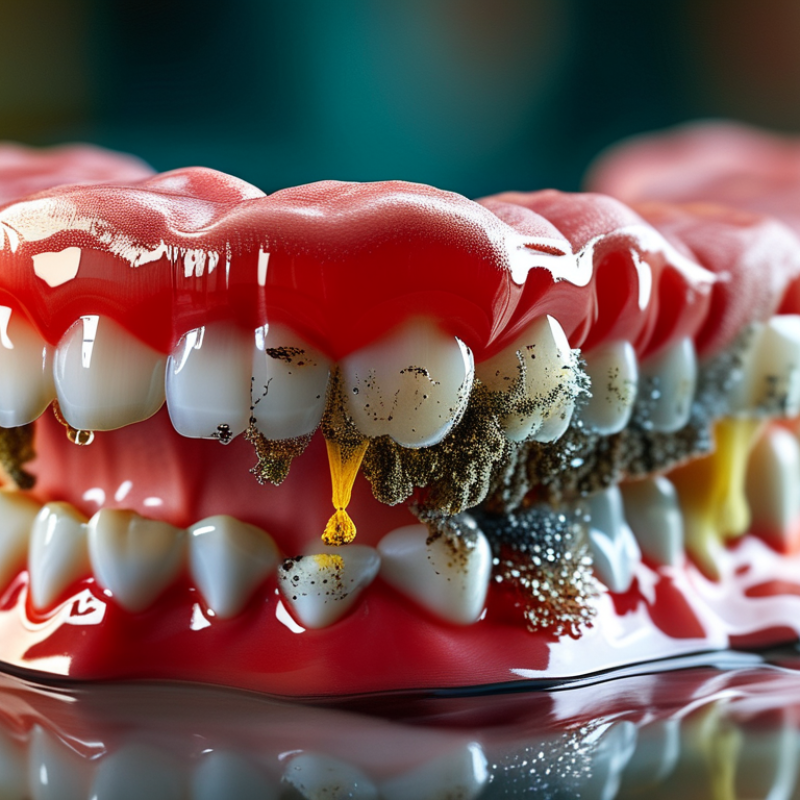
Denture soak refers to a cleaning solution designed for dentures. It aims to remove stains, plaque, and bacteria. Regular soaking helps maintain proper hygiene and prolongs the life of dentures. The solution is usually available in tablet or liquid form. Many users report a fresher taste after using a soak, which enhances the overall experience of wearing dentures.
When using denture soak, it’s crucial to follow the instructions carefully. Improper use can lead to damage. Soaking for too long or not rinsing properly can leave residues. Denture wearers often have varied experiences. Some find the soaking process inconvenient, while others appreciate the ease it brings to daily cleaning.
People may mistakenly believe that soaking alone is enough for maintenance. However, brushing dentures daily is also vital. Neglecting this can lead to odor and bacterial buildup. Users should be aware that every denture user is different. What works for one person may not suit another. Regular consultation with dental professionals is advisable for optimal care strategies.
The Importance of Denture Care
Denture care is essential for maintaining oral health. Proper cleaning prevents plaque buildup. It also reduces the risk of infections. Patients often overlook this important routine. Simple mistakes can lead to complications.
Using a denture soak is a great way to enhance cleaning. These products target stains and odors effectively. However, not all people follow the recommended soaking times. Some think shorter is better, but this can be a mistake. Each product has specific instructions; not adhering to them might limit effectiveness.
Many individuals find that routine care improves comfort. Regular cleaning also promotes confidence in social situations. For some, it may feel like a chore. Reflecting on the importance of good denture maintenance fosters positive habits. A small time investment leads to better oral health overall.
What is Denture Soak and How Does It Work? - The Importance of Denture Care
| Denture Soak Type |
Active Ingredients |
Primary Benefits |
Recommended Soaking Time |
Frequency of Use |
| Antimicrobial Soak |
Chlorhexidine or Benzalkonium chloride |
Reduces bacteria, prevents odor |
15-30 minutes |
Daily |
| Cleaning Tablets |
Sodium bicarbonate, citric acid |
Removes stains, cleans effectively |
10-15 minutes |
Daily |
| Natural Soak (Vinegar or Baking Soda) |
White vinegar or baking soda |
Eco-friendly, gentle cleaning |
30 minutes |
Weekly |
| Bleaching Soak |
Hydrogen peroxide |
Whitens dentures, disinfects |
10-15 minutes |
Monthly |
Types of Denture Soaking Solutions
Denture soaking solutions vary widely. They are essential for maintaining denture hygiene and longevity. Common types include alkaline peroxide, effervescent tablets, and natural solutions. Each has its advantages and drawbacks.
Alkaline peroxide solutions are popular for their strong cleaning action. They break down stains and remove debris. However, some people find them too harsh for delicate materials. Effervescent tablets are easier to use and dissolve quickly in water. They're effective in removing bad odors. Yet, they may not tackle tough stains as effectively.
Natural solutions, like vinegar or baking soda, are gentler alternatives. They can sanitize dentures without strong chemicals. Many users appreciate their fragrance-free properties. Still, these solutions may require more frequent soaking to achieve desired results. Experimenting with different types allows for a personalized routine. It's crucial to find a balance between effective cleaning and material safety for your dentures.
Denture Soaking Solutions Effectiveness
How to Use Denture Soak Effectively
Denture soak is essential for maintaining oral hygiene. Using it correctly can prolong the life of your dentures. To use denture soak effectively, start by rinsing your dentures with warm water. This removes food particles and reduces bacteria. Next, prepare the denture soak according to the package instructions. Remember that soaking times may vary, so read carefully.
After soaking, gently brush your dentures with a soft brush. This step helps remove any stains or plaque. Use a brush specifically designed for dentures to avoid scratches. Rinse them thoroughly under running water before reinserting. It's crucial to assess your soak product's effectiveness. Some may not clean well or leave a residue.
Consider using denture soak at night for deep cleaning. However, be mindful of how it interacts with your denture material. Not all products suit every type. Regularly evaluate your soaking routine to ensure optimal results. Monitor any changes in your oral health or denture fit. Remember, maintaining a routine is key to long-lasting dentures.
Benefits of Regular Denture Soaking
Denture soaking is an essential part of dental care. Soaking dentures regularly helps maintain their cleanliness and hygiene. This process can prevent bacteria buildup and reduce bad odors. Regular soaking keeps your dentures looking their best, enhancing their appearance and prolonging their lifespan.
One major benefit of denture soaking is the prevention of stains and discoloration. Many foods and drinks can leave marks on dentures. A good soak can help remove these stains effectively. Additionally, soaking helps in loosening food particles that may be stuck, making it easier to brush away. A well-maintained denture not only feels more comfortable but also boosts your confidence in social situations.
While soaking is beneficial, it’s essential to choose the right solution and follow instructions. Not all soaking solutions are the same. Some may be too harsh, damaging the material of the dentures. Finding a balance between cleanliness and denture care is crucial. Regular soaking, paired with proper cleaning techniques, can lead to better oral health outcomes.