Top Interdental Brush Tips for Effective Oral Hygiene Routine?
Maintaining optimal oral hygiene is crucial for overall health. Research indicates that nearly 80% of adults experience gum disease at some point in their lives. An effective routine must include tools like the interdental brush. This tool is designed to clean areas between teeth where traditional brushing falls short.
Studies demonstrate that using an interdental brush can reduce gingivitis by 50% compared to string floss alone. This is significant. Many people overlook this step, leading to plaque buildup and cavities. The interdental brush's unique design allows for better access in tight spaces. However, many users lack proper technique, which can reduce effectiveness.
Expert recommendations suggest incorporating an interdental brush into daily habits can significantly enhance oral health. Users may find it challenging to choose the right size or handle. Yet, some trial and error may lead to better results. Embracing this tool could transform routine dental care. Reliable data emphasizes the importance of understanding how to use an interdental brush effectively.
Understanding Interdental Brushes: Types and Sizes
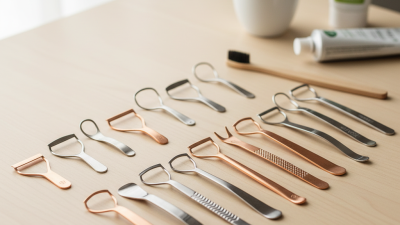
Interdental brushes come in various types and sizes, catering to different needs. Choosing the right one is essential for maintaining oral hygiene. Brushes are often categorized by their width and bristle stiffness. Some users may find wider brushes more effective, but they can be challenging for tight spaces.
Understanding sizes is crucial. Smaller brushes are better for narrow gaps. They fit comfortably between teeth, reducing the risk of causing damage. Larger sizes can reach broader spaces, but they may not be suitable for everyone. It’s important to experiment and find what best suits your dental structure.
Brushing technique also matters. Applying too much pressure can harm gums. A gentle motion is more effective. Some may struggle with the right angle. Frequent practice helps improve technique. Noticing how different sizes feel can guide future choices, ensuring lasting results in oral health.
The Importance of Interdental Brushes in Oral Hygiene
Interdental brushes play a crucial role in maintaining oral hygiene. Many dental professionals recommend them as an effective tool for plaque removal. Research shows that about 80% of cavities and gum disease originate between teeth. Interdental brushes can help combat this problem. They are more effective than traditional floss in cleaning hard-to-reach areas.
According to a study published in the Journal of Dental Research, using interdental brushes can reduce plaque by up to 37%. This is significant when considering that nearly 90% of adults aged 30 and older have some form of gum disease. Yet, many people still overlook these tools. A survey indicated that less than 30% of adults regularly use interdental brushes as part of their routine.
Using these brushes properly can be a learning curve. It’s important to choose the right size for your gaps. Too large can cause discomfort; too small might not clean effectively. Patients often report needing time to adjust to the technique. Flossing and brushing are often prioritized, leading to negligence of interdental cleaning. Regular education on this topic is needed for better oral health standards.
Step-by-Step Guide to Using Interdental Brushes Effectively
Interdental brushes are essential for maintaining excellent oral hygiene. They help remove plaque and food particles stuck between teeth. To use them effectively, start by selecting the right size. The brush should fit snugly between your teeth. If it feels too tight, try a smaller size. This is important to avoid discomfort or damage to your gums.
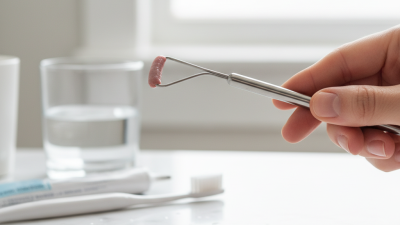
Grasp the handle gently. Insert the brush between your teeth at a slight angle. Move it in and out slowly, ensuring you reach the back teeth as well. Rinse the brush after each use to keep it clean. It’s common to feel some resistance initially, but consistent practice leads to improvement. Pay attention to any bleeding gums; it may indicate the need for a gentler approach.
Lastly, incorporate this practice into your routine. Aim for daily use, ideally after brushing your teeth. Regular use of interdental brushes can lead to healthier gums and fresher breath. Do not rush through the process; take your time to ensure thorough cleaning. Reflect on your technique periodically to see where you can improve. Small adjustments make a significant difference in your oral care routine.
Common Mistakes to Avoid When Using Interdental Brushes
Using interdental brushes can significantly enhance your oral hygiene routine. However, many people make common mistakes that can hinder their effectiveness. One prevalent issue is choosing the wrong size brush. Research shows that using an ill-fitting brush can leave plaque behind and increase the risk of gum disease. It's vital to select a size that fits comfortably between your teeth, ensuring optimal cleaning.
Another common mistake is excessive force. Many users press too hard, which can damage the gums and lead to discomfort. In a study, 30% of participants reported bleeding gums after using excessive force with their brushes. Gentle movements are key. Also, rinse the brush after each use. This practice can help reduce bacteria buildup on the brush itself, enhancing its effectiveness.
People often overlook the importance of a consistent routine. Skipping days can create a buildup of plaque that interdental brushes are designed to combat. Data indicates that maintaining a regular cleaning schedule can reduce gum inflammation by 40%. Keeping track of your brushing habits can be beneficial. Remember, effective oral hygiene is about quality and consistency, not just frequency.
Top Interdental Brush Tips for Effective Oral Hygiene Routine
| Tip |
Description |
Common Mistakes |
| Choose the Right Size |
Select an interdental brush that fits snugly between your teeth. |
Using a brush that is too large or too small. |
| Use Gentle Pressure |
Gently insert and remove the brush to avoid damaging gums. |
Forcing the brush can cause bleeding and discomfort. |
| Clean All Areas |
Make sure to clean between all teeth, not just the visible ones. |
Skipping teeth or areas often leads to plaque buildup. |
| Rinse After Use |
Rinse the interdental brush after each use for hygiene. |
Not cleaning the brush may transfer bacteria back to the mouth. |
| Replace Regularly |
Change your brush every few weeks or when bristles become worn. |
Using a worn brush can be ineffective and harsh on gums. |
Choosing the Right Interdental Brush for Your Dental Needs
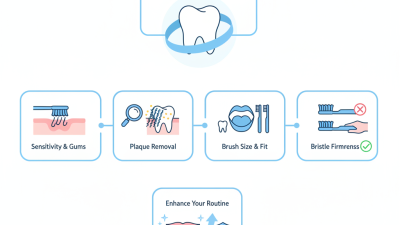
Choosing the right interdental brush can significantly impact your oral hygiene routine. These brushes help remove plaque from areas that traditional toothbrushes can't reach. When selecting one, focus on the size that fits your interdental spaces well. A brush that's too large can cause discomfort or damage the gums. On the other hand, a brush that's too small may not clean effectively.
Consider the bristle firmness as well. Softer bristles can be gentler on your gums, especially if they are sensitive. However, firmer bristles tend to provide a more thorough clean. You might need to experiment with different types. Reflect on your own experience; if you notice bleeding gums, you may need to adjust your choice. Make sure to follow the manufacturer's instructions on usage to avoid injury.
Look for features like a bendable neck or an ergonomic handle. These can make your brushing experience more comfortable and efficient. If your brush wears out quickly, it might not be performing well enough. Regularly assess your cleaning routine to see what works best for you. Your needs may change over time, and that's okay. Remember, good oral hygiene is a journey, not just a destination.