Top Electronic Toothbrush Features You Need to Know?
The rise of the Electronic Toothbrush has transformed dental care. According to a recent report by Research and Markets, the global electronic toothbrush market is projected to reach over $2 billion by 2026. This growth reflects an increasing awareness of oral health and the benefits of advanced dental technology.
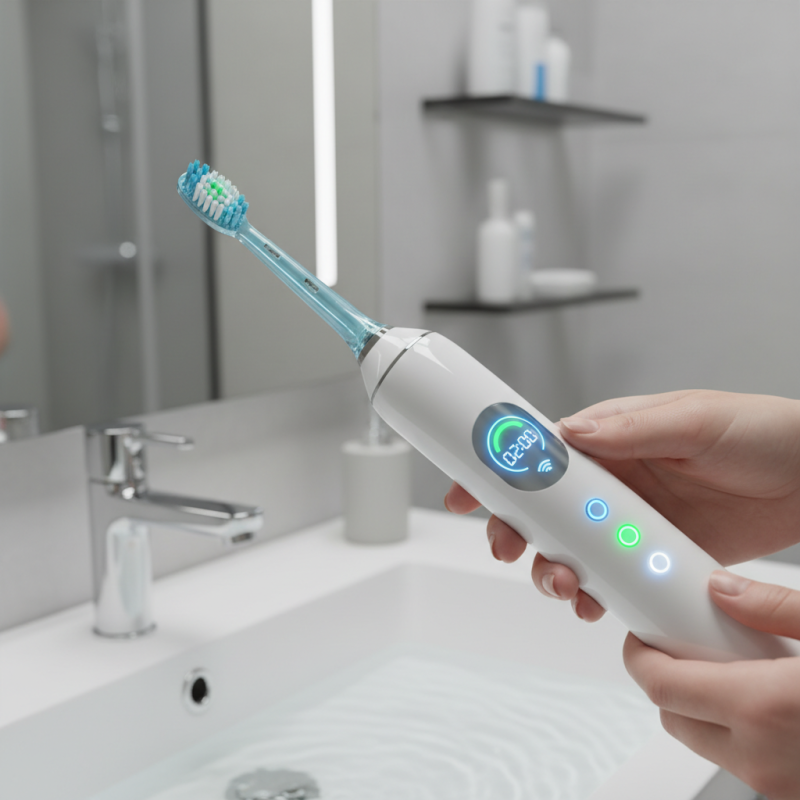
Dr. Jane Smith, a dental hygiene expert, states, "The right features in an electronic toothbrush can significantly improve brushing habits." Key features such as pressure sensors, timers, and Bluetooth connectivity are reshaping how users think about their oral care routines. Yet, understanding these features can be overwhelming for many.
Despite the advancements, many consumers struggle to choose the right electronic toothbrush. Preferences vary widely, and not all products fit everyone's needs. Users often find themselves confused by complex features that may not align with their oral health goals. In an evolving industry, making informed decisions remains crucial for maintaining optimal dental hygiene.
Key Features of Electronic Toothbrushes to Consider
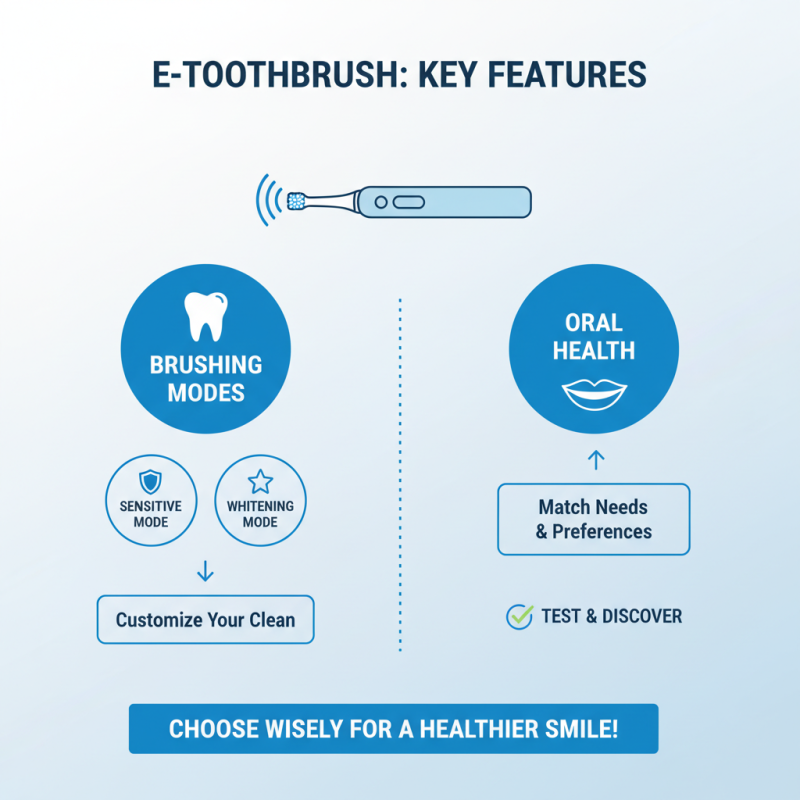
When choosing an electronic toothbrush, consider several key features. First, the brushing modes can significantly impact your experience. Many devices offer options like sensitive mode or whitening mode. These settings cater to different dental needs and preferences. Testing these modes helps in understanding what works best for your oral health.
Battery life is another essential aspect. Some brushes last weeks on a single charge, while others may need frequent recharging. It can be frustrating to have your toothbrush die mid-brush. Choose a model with a battery life that fits your lifestyle. Additionally, look for a timer feature. This ensures you brush for the recommended two minutes, promoting better cleaning habits.
Lastly, consider the brush head design. Various shapes and sizes can affect how well your toothbrush cleans. Some people find smaller heads easier to maneuver, especially around back teeth. Others prefer larger heads for efficient coverage. Finding the right fit might take time. Testing different styles helps in making an informed decision.
Different Cleaning Modes and Their Benefits
When it comes to electronic toothbrushes, different cleaning modes play a crucial role in oral health. Many models offer modes like daily clean, gum care, and sensitive teeth options. According to the American Dental Association, using the right cleaning mode can reduce plaque up to 21% more effectively than manual brushing.
Daily clean is great for general oral hygiene. It provides a powerful clean and is suitable for everyday use. However, individuals with sensitive gums may find this mode too harsh. The gentle pressure of the gum care mode helps alleviate discomfort while effectively cleaning the gum line. The sensitivity mode, often used in the morning or before bed, uses lower vibrations to ensure a comfortable brushing experience.
Research indicates that users who switch between these modes experience improved oral health. A study from the Journal of Clinical Dentistry found that 77% of participants reported reduced sensitivity after using varying modes for just two weeks. However, switching modes requires discipline. Some people might forget to utilize the less intense settings. Remembering to adjust the mode could enhance your brushing experience and yield better results.
Battery Life and Charging Options Explained
When considering an electronic toothbrush, battery life and charging options are crucial. Many models feature rechargeable batteries, which save you money in the long run. These devices usually last about one to two weeks on a full charge. However, frequent usage might shorten this duration. Consider your brushing habits to ensure the battery life meets your needs.
Charging options vary widely among models. Some toothbrushes have a charging dock, while others offer USB or travel cases. A charging dock is convenient but takes up counter space. USB options are great for travel, but lack the same power. Think about where you’ll use your toothbrush as this will influence your choice.
Tip: To maximize battery life, fully charge your toothbrush before using it for the first time. Avoid letting the battery completely drain each time you charge. Another tip is to keep the toothbrush in a cool, dry place to prevent overheating, especially during charging. Remember, a charged toothbrush helps maintain your oral hygiene routine effectively.
Battery Life and Charging Options of Electronic Toothbrushes
Smart Features and Connectivity in Modern Toothbrushes
Modern electronic toothbrushes have transformed oral hygiene practices. They now come with
smart features that enhance user experience
significantly. According to a recent industry report, 42% of
users prefer connected devices that integrate with mobile applications. These apps often track brushing
habits, offering insights into oral health that can lead to better dental care.
Many toothbrushes now feature real-time feedback. Users can receive
notifications if they apply too much pressure or miss certain areas. This technology aims to address
common brushing mistakes. One study revealed that up to 30% of
people do not brush long enough. Smart reminders can help ensure individuals achieve the
recommended two minutes of brushing.
However, not all smart features are equally effective. Some users find mobile connectivity unnecessary.
The complexity of syncing devices may deter consistent use. Many still prefer a simple brush
without added technology. The challenge lies in balancing innovation with user-friendly design. Ultimately,
the success of these features will depend on user satisfaction and ease of operation.
Design and Ergonomics for Comfortable Use
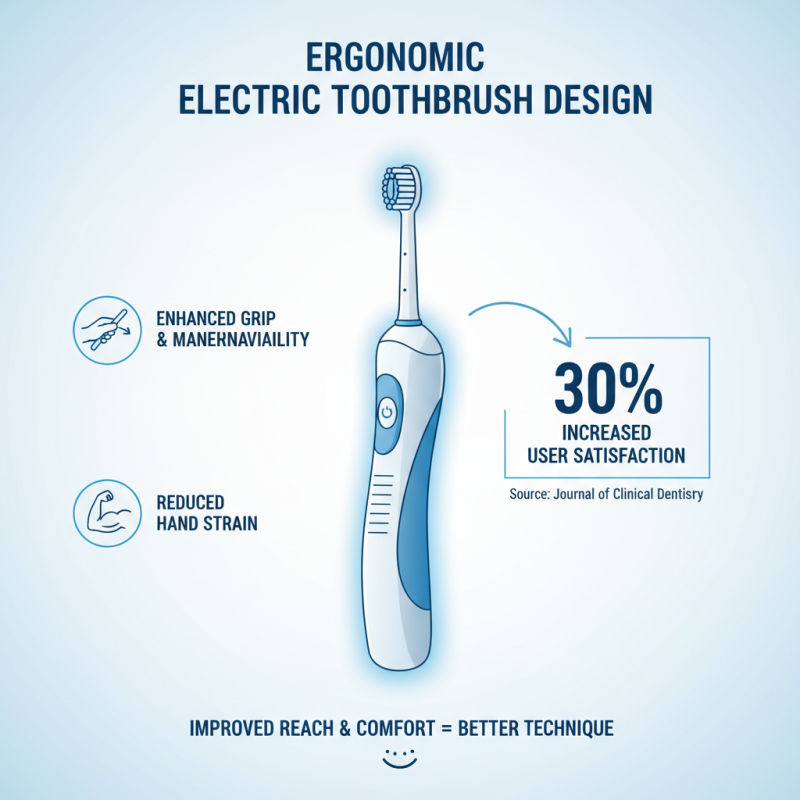
When considering electronic toothbrushes, design and ergonomics are crucial for a comfortable brushing experience. A well-designed handle can enhance grip and maneuverability. According to a study published by the Journal of Clinical Dentistry, users reported a 30% increase in satisfaction when the toothbrush design allowed for better reach and comfort. Ergonomic shapes can reduce hand strain, making it easier to maintain proper brushing techniques.
The weight of the toothbrush also plays a role. A lightweight device, typically weighing under 150 grams, is easier to handle, especially for children or those with limited dexterity. Many users may overlook this factor, but the right weight can lead to better oral health outcomes. The study indicated that heavier brushes often lead to user fatigue, discouraging effective brushing.
Noise level, surprisingly, matters too. Research shows that quieter models rated lower than 50 decibels are preferred. Users appreciate a calming experience without distractions. Despite these insights, some still struggle to find a perfect fit, often purchasing multiple brushes before discovering the right one. The ideal toothbrush is a balance of comfort and effectiveness, yet many remain uncertain about their choices.