Why Are Floss Picks Essential for Your Oral Hygiene Routine?
Floss Picks are becoming a vital part of oral hygiene routines. Dr. Emily Roberts, a dental hygiene expert, states, “Floss Picks can significantly improve gum health.” She emphasizes the ease of use for individuals of all ages.
Proper dental care requires more than just brushing. Floss Picks reach areas between teeth that a toothbrush simply cannot clean. Studies show that regular use reduces plaque and promotes healthier gums. Many people struggle with traditional flossing techniques. Floss Picks offer a straightforward solution, making dental care more accessible.
Yet, some may still doubt their effectiveness. Not all Floss Picks are created equal, and choosing the right one matters. An ineffective choice can lead to missed cleaning opportunities. By understanding their importance, we can enhance our oral hygiene practice and achieve better overall health.
Benefits of Using Floss Picks in Daily Oral Hygiene Practices
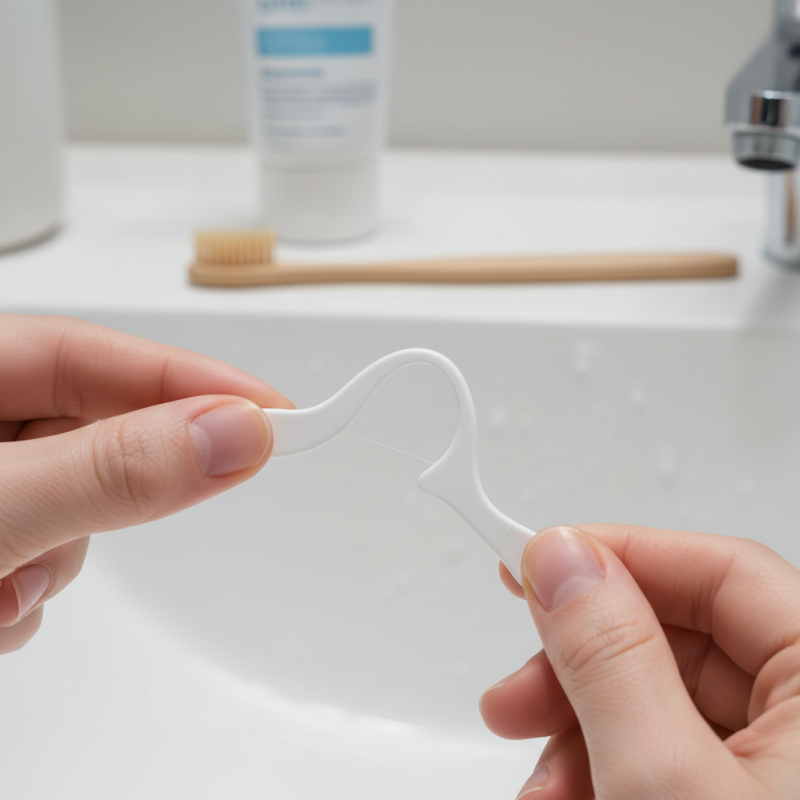
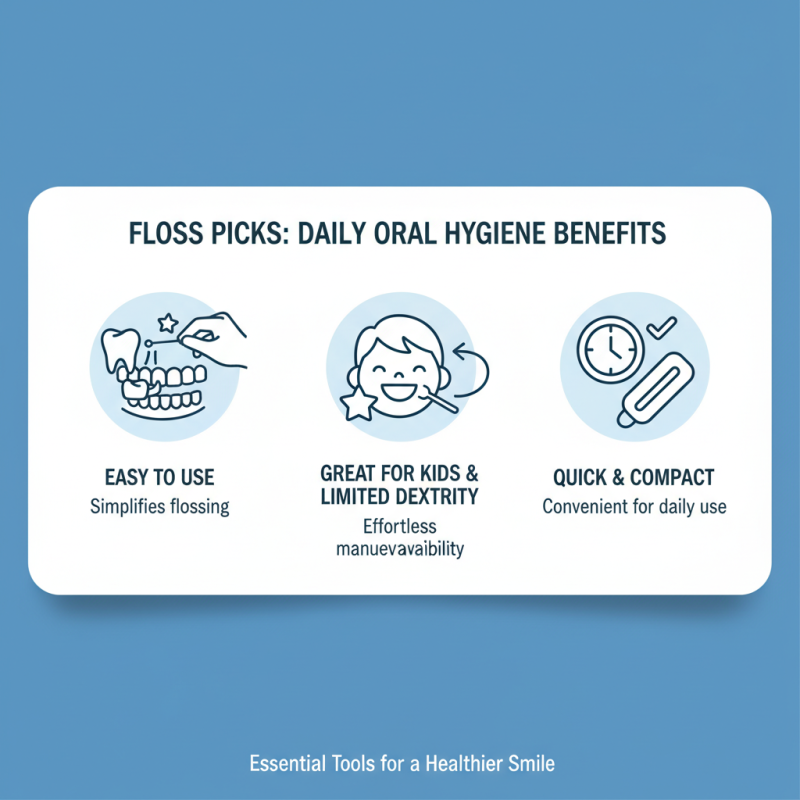
Floss picks are essential tools for maintaining oral hygiene. They are compact and easy to use. Many people struggle with traditional dental floss. Floss picks simplify the process. You can easily maneuver them around your teeth. This makes them particularly helpful for kids and those with limited dexterity.
Using floss picks has several benefits. They effectively remove food particles trapped between teeth. This prevents plaque buildup and gum disease. Regular use can lead to healthier gums and fresher breath. Moreover, floss picks can sometimes reach areas that regular toothbrushes can’t access. They encourage more consistent flossing habits, which is crucial for long-term oral health.
However, some may find floss picks less effective than traditional floss. They may not provide the same thorough cleaning for tighter spaces. Reflecting on your technique is important. Make sure to use them correctly. Always follow up with regular dental check-ups to ensure comprehensive care. Balancing convenience and thoroughness is key to optimal oral hygiene.
Statistics on Gum Disease Prevention Through Flossing
Gum disease is a common issue that many people face. Statistics show that nearly half of adults experience some form of gum disease. This condition can lead to serious oral health problems if not addressed. Flossing is known to be crucial in reducing the risk of this disease. Research highlights that regular flossing can cut down the chances of developing gum disease by up to 40%.
Yet, many individuals skip flossing. Some may find it tedious or difficult. This lack of consistency can lead to plaque buildup between teeth. Harmful bacteria thrive in those areas, increasing the risk of inflammation and infection. Floss picks offer a simple, effective solution. They make it easier to clean in those hard-to-reach spaces. Many studies suggest that convenience plays a big role in encouraging better oral hygiene habits.
While it is easy to overlook flossing, the benefits are undeniable. Implementing floss picks into daily routines can significantly improve overall gum health. Research backs this up, showing a strong correlation between consistent flossing and reduced gum disease rates. Being mindful of oral hygiene is essential for maintaining a healthy smile.
Why Are Floss Picks Essential for Your Oral Hygiene Routine? - Statistics on Gum Disease Prevention Through Flossing
| Statistic |
Value |
Source |
| Percentage of adults with gum disease |
47% |
CDC |
| Reduction in gum disease with daily flossing |
30% - 40% |
Journal of Periodontology |
| Increase in plaque removal with flossing |
70% |
American Dental Association |
| People who regularly floss |
30% - 40% |
National Health & Nutrition Examination Survey |
| Years of life gained by good oral hygiene |
6.4 years |
Harvard University Study |
Comparative Effectiveness of Floss Picks vs. Traditional Dental Floss
Floss picks have gained popularity in recent years. Many people wonder how effective they are compared to traditional dental floss. Studies show that both methods remove plaque effectively. However, floss picks may have an edge in convenience.
Using floss picks can be easier for some people, especially those with limited dexterity. The design of a floss pick helps in reaching tight spaces between teeth. In contrast, traditional floss requires a certain technique to be effective. Some users struggle with handling dental floss correctly. This can lead to missed areas and inadequate cleaning.
Despite their advantages, floss picks are not a perfect solution. They may not reach all the nooks and crannies as well as traditional floss. Some research suggests that more work is needed to assess their effectiveness comprehensively. Individuals should consider their unique needs when choosing between the two. Oral hygiene is personal, and what's perfect for one person may not be for another.
Impact of Floss Picks on Overall Oral Health Measurements
Floss picks have gained popularity in recent years for a good reason. Studies indicate that regular use of floss picks can improve overall oral health. According to the American Dental Association, using floss regularly can reduce gum disease by up to 40%. This makes flossing an essential part of any dental care routine.
One key measurement of oral health is plaque control. Research shows that individuals using floss picks have lower plaque levels compared to those who don’t. A study published in the Journal of Clinical Dentistry reported a significant reduction in plaque and gingivitis among those who used floss picks consistently. This highlights their impact on preventing oral diseases, which often arise from neglected plaque buildup.
Tips for effective floss pick use include being gentle. Pressing too hard can damage gums, leading to bleeding. Aim for a C-shape around each tooth and glide the pick gently. Another tip is to maintain consistency; using a floss pick once a day can provide significant health benefits. Even small, erratic habits can lead to plaque build-up. Remember, making floss picks part of your routine isn’t just a choice; it’s a commitment to better oral health.
Impact of Floss Picks on Overall Oral Health Measurements
Recommendations by Dental Experts on Floss Pick Usage Frequency
Floss picks are becoming a popular addition to daily oral hygiene routines. Dental experts recommend using them at least once a day to effectively remove plaque and food particles from between teeth. They are especially helpful for individuals who find traditional dental floss difficult to handle. A floss pick can reach tight spaces that may be challenging to clean otherwise.
Tips for using floss picks include holding the pick gently to avoid damaging your gums. Move the pick in a gentle up-and-down motion. Be mindful not to snap it aggressively between teeth; this can cause discomfort and may lead to gum issues. Flossing should not feel painful. If it does, reevaluate your technique or consult your dentist.
Regular floss pick use can significantly improve your oral health. However, it’s essential to understand they do not replace regular brushing. For best results, align your floss pick use with your brushing routine. Experts suggest brushing twice a day and combining it with daily flossing to keep your teeth and gums healthy. Listening to your mouth is crucial; if you experience bleeding or discomfort, review your approach or seek professional advice.