10 Essential Tips for Using Ortho Brush Effectively?
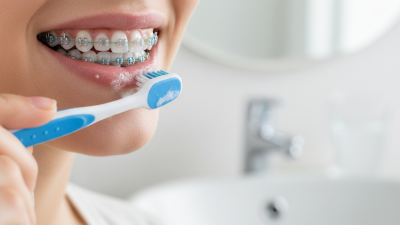
Using an Ortho Brush effectively can significantly enhance your oral care routine. This specialized tool is designed for people with braces or orthodontic appliances. Many may feel overwhelmed when trying to master its use. However, with some guidance, anyone can improve their technique.
An Ortho Brush offers unique features to clean around brackets and wires. To maximize its benefits, understanding how to use it properly is crucial. The right approach involves not just brushing but also developing a routine. Regular practice can create a noticeable difference in oral hygiene.
Many users face challenges when starting. Some may not apply enough pressure, while others struggle with reaching certain areas. It's essential to recognize these hurdles for effective use. With patience and dedication, anyone can learn to use the Ortho Brush with confidence, ultimately achieving a healthier smile.
Understanding the Basics of Ortho Brushes and Their Purpose
Ortho brushes serve a key function in orthodontic care. They are specially designed tools that help patients maintain oral hygiene while wearing braces or other dental appliances. The bristles are uniquely shaped to reach tricky spots that traditional brushes often miss. This specificity can make a significant difference in preventing plaque buildup and tooth decay.
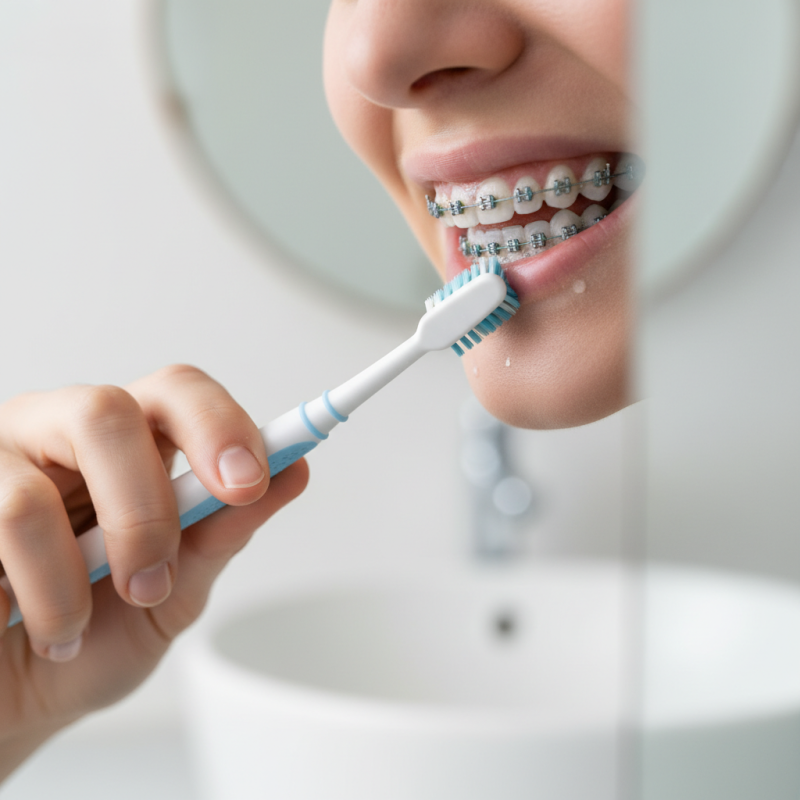
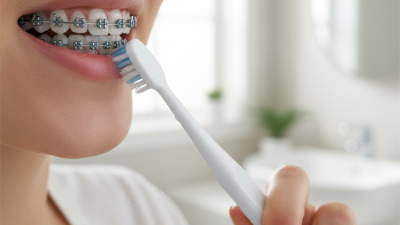
Using an ortho brush effectively requires understanding its structure. The compact head allows for better maneuverability around brackets and wires. It’s crucial to use gentle pressure to avoid damaging the orthodontic appliances. Many users struggle with the right technique, leading to ineffective cleaning. Remember that the goal is to clean thoroughly without causing discomfort to your gums.
Insightfully, some individuals may overlook the benefits of dedicated oral care tools like ortho brushes. They might assume a regular toothbrush would suffice. This mindset can hinder optimal oral health during orthodontic treatment. Regularly reflecting on your brushing technique can foster better habits. Embracing the ortho brush might enhance your overall experience in braces, leading to healthier teeth and gums in the long run.
Choosing the Right Ortho Brush for Your Dental Needs
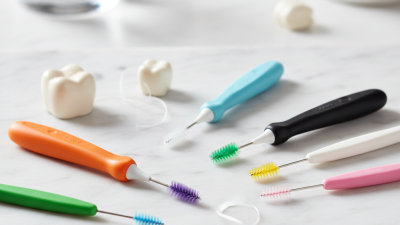
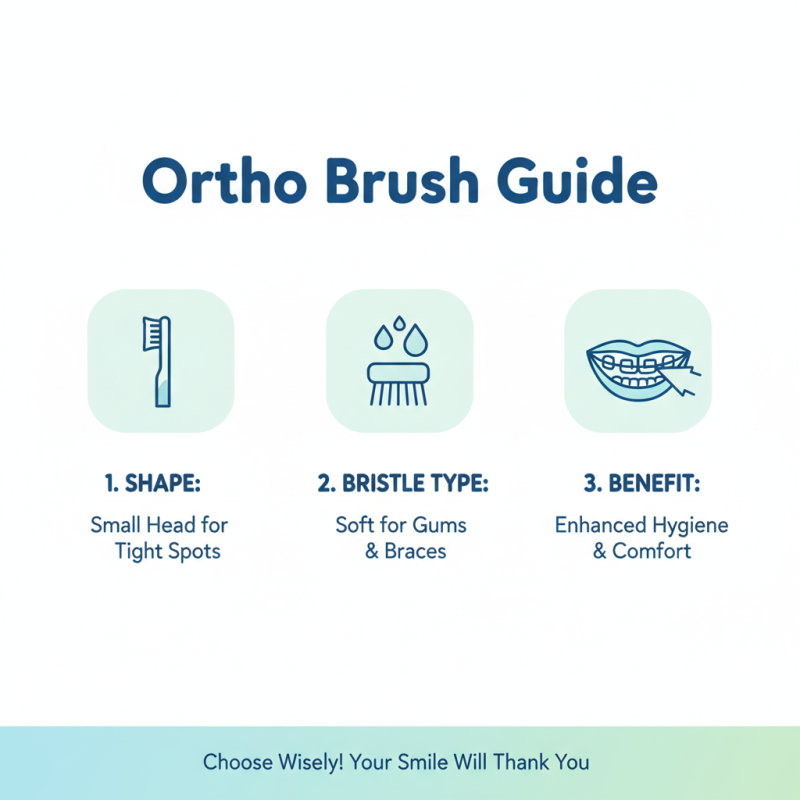
Choosing the right ortho brush can significantly enhance your dental hygiene routine. Not all brushes are created equal. Some are too large for tight spaces, while others may not reach tricky areas effectively. It's essential to consider the shape and bristle type. A brush with soft bristles is gentle on braces and gums.
When exploring options, many people overlook their specific needs. For example, someone with crowded teeth may need a brush with a narrower head. This allows for better maneuverability. Additionally, the handle's grip can impact comfort. A non-slip grip can help in maintaining control during brushing, especially in wet conditions.
It's also worth noting that many users struggle to find the right technique. Simply owning an excellent brush doesn't guarantee effective cleaning. Regular practice and guidance can help improve this. Using an ortho brush effectively requires time and consistency. Observing and adjusting your style as needed can lead to better results. Consider seeking advice from dental professionals to refine your approach and ensure optimal oral health.
Mastering the Technique: How to Use an Ortho Brush Effectively
Using an ortho brush effectively requires practice and technique.
Many users struggle with the proper angle and pressure. Research shows that a correct angle of 45 degrees ensures effective cleaning along the gum line. Studies indicate that improper brushing can lead to plaque build-up. This can result in longer treatment times, sometimes adding weeks to the orthodontic process.
Pay attention to your technique. A gentle yet firm motion is crucial. Pressing too hard can cause gum irritation, while being too gentle may overlook plaque. Regularly changing your ortho brush when bristles fray is essential. A worn-out brush can compromise cleaning efficiency and lead to dental issues. It's also advisable to brush for at least two minutes, as many fail to meet this time minimum.
Consistency is key. Daily routines can slip, and missing even one session may allow plaque to harden. Surveys show that only 30% of individuals stick to their oral care routines during orthodontic treatment. Creating reminders or a tracking system can help maintain those crucial habits. Each session contributes to your overall oral health, making your efforts more effective.
Maintaining Your Ortho Brush for Optimal Performance
Maintaining your Ortho brush is crucial for achieving optimal results. A major challenge users face is ensuring the brush head stays clean and effective. According to the American Dental Association, properly cleaning dental tools can reduce bacteria by up to 90%. Regular rinsing after each use is essential. However, many overlook this simple step. A neglected brush head can harbor harmful bacteria, negating its effectiveness.
Another key aspect is replacing the brush head periodically. The American Association of Orthodontists recommends changing it every three months. A worn-out brush head can be less effective and might even cause irritation. Users often forget this, leading to diminished oral hygiene. Consider scheduling regular reminders to replace the brush head. It sounds simple, yet many neglect this essential task.
Lastly, proper storage can also impact the brush's performance. Keeping the Ortho brush in a humid environment can encourage mold growth. It’s wise to store it upright and in a dry area. Awareness of one's storage habits can improve hygiene significantly. These steps are easy but require consistency and mindfulness.
10 Essential Tips for Using Ortho Brush Effectively
| Tip Number |
Tip Description |
Frequency |
Expected Outcome |
| 1 |
Clean your ortho brush daily with warm water. |
Daily |
Prevents bacterial growth and maintains hygiene. |
| 2 |
Replace brush heads every 3 months or as needed. |
Every 3 months |
Ensures effective cleaning and performance. |
| 3 |
Use a gentle pressure while brushing. |
Daily |
Minimizes risk of gum damage. |
| 4 |
Store ortho brush in a dry place. |
Always |
Prevents moisture buildup and bacteria. |
| 5 |
Use a timer to ensure you brush for the recommended time. |
Daily |
Promotes thorough cleaning of teeth and braces. |
| 6 |
Rinse brush head with antibacterial mouthwash weekly. |
Weekly |
Enhances cleanliness and freshness. |
| 7 |
Avoid sharing your ortho brush with anyone. |
Always |
Reduces risk of cross-contamination. |
| 8 |
Follow up with flossing after using the ortho brush. |
Daily |
Ensures better removal of food particles. |
| 9 |
Adjust the angle of brushing to reach all areas. |
Daily |
Increases brushing effectiveness. |
| 10 |
Consult your dentist for personalized tips on usage. |
As needed |
Optimizes the effectiveness of your brush. |
Common Mistakes to Avoid When Using an Ortho Brush
Using an ortho brush effectively can make a significant difference in your dental hygiene. However, many individuals overlook key practices. One common mistake is not properly angling the brush. This tool is designed to reach tight spaces. If the brush is held incorrectly, it may miss plaque and food particles.
Another mistake is applying too much pressure. It can damage your gums and teeth. Instead, use gentle strokes to ensure thorough cleaning without harm. Regularly check your technique in the mirror. This helps you recognize if you’re brushing too hard or missing spots.
Lastly, don’t forget to replace the ortho brush regularly. Worn bristles are less effective. Aim for a new brush every 3-4 months. Consider keeping a schedule for replacements. Mindful reflection on these practices will enhance your oral care routine.
10 Essential Tips for Using Ortho Brush Effectively
This bar chart showcases common mistakes made when using an ortho brush and provides insights into the prevalence of each mistake among users.