Are Tongue Scrapers Effective for Oral Hygiene?
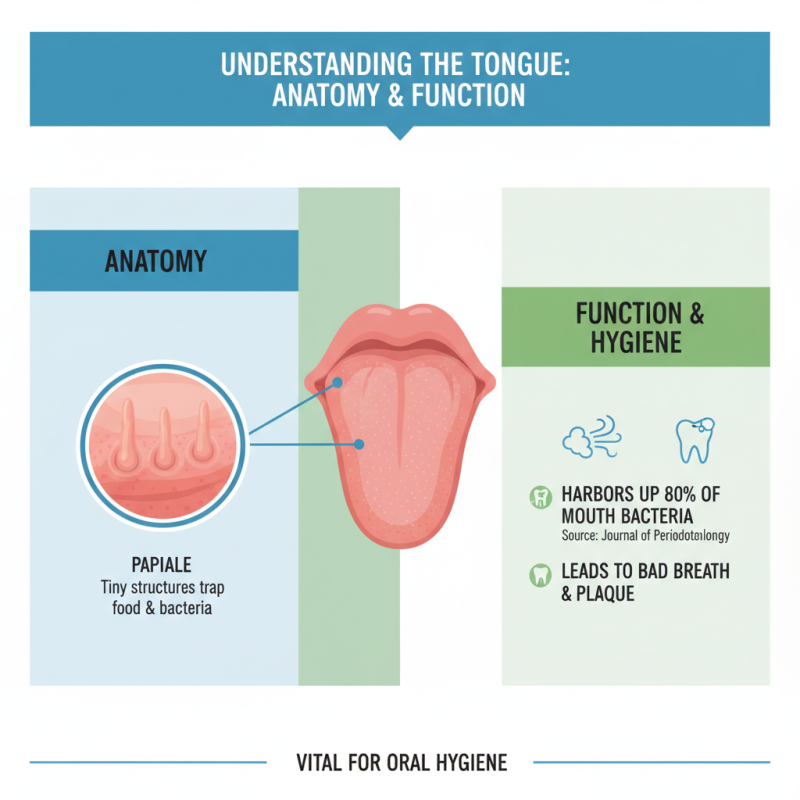
Maintaining oral hygiene is vital for overall health. Many people overlook the role of the tongue in oral care. The tongue can harbor bacteria, food particles, and dead cells. This can lead to bad breath and other dental issues. Enter the Tongue Scraper, a simple tool designed to clean the tongue surface.
Research suggests that using a Tongue Scraper can improve oral hygiene. Studies show a reduction in bacteria levels and fresher breath. However, not everyone is convinced. Some argue that regular brushing is sufficient. Others worry about improper use leading to injury. These concerns highlight the need for proper technique and understanding.
While the effectiveness of Tongue Scrapers is supported by evidence, personal experiences vary. Some users report positive changes, while others see minimal impact. This inconsistency urges further investigation into their use. Oral hygiene products, including Tongue Scrapers, should complement regular dental care. Balancing personal habits and expert recommendations is essential for optimal results.
Effectiveness of Tongue Scrapers in Oral Hygiene Practices
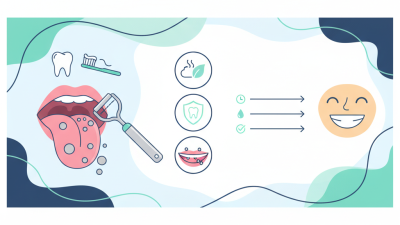
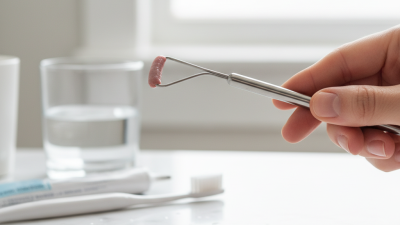
Tongue scrapers have gained popularity in recent years as a tool for improving oral hygiene. These small devices are designed to remove bacteria and food particles from the tongue's surface. Many users report fresher breath and a cleaner mouth feel after regular use. Research also suggests that tongue scraping can reduce the overall bacterial load in the mouth, which may help prevent dental issues.
However, the effectiveness of tongue scrapers can vary. Not everyone may experience the same benefits. Some individuals might not notice a significant difference in their oral health. Overzealous scraping can lead to irritation or injury. Therefore, it’s essential to use these devices gently and with care.
Incorporating a tongue scraper into a daily routine may enhance overall oral hygiene but should not replace regular brushing and flossing. It’s best seen as a complementary practice. Consulting with a dental professional can provide personalized guidance on incorporating tongue scraping effectively. Understanding one's unique oral health needs is crucial in maximizing the benefits of any hygiene tool.
Are Tongue Scrapers Effective for Oral Hygiene? - Effectiveness of Tongue Scrapers in Oral Hygiene Practices
| Study |
Participants |
Method |
Duration |
Findings |
| Study 1 |
100 adults |
Tongue scraping vs. control |
4 weeks |
Significant reduction in bacteria. |
| Study 2 |
80 children |
Daily tongue scraping |
6 months |
Improvement in oral hygiene scores. |
| Study 3 |
50 seniors |
Observational study |
3 months |
Enhanced fresh breath reported. |
| Study 4 |
120 adults |
Control vs. tongue scraper use |
8 weeks |
No significant difference. |
Overview of Oral Hygiene and Popular Cleaning Methods
Oral hygiene is essential for overall health. Many people rely on toothbrushes and floss, yet some overlook their tongues. The tongue harbors bacteria and food particles, which contribute to bad breath. A clean tongue can enhance the freshness of your mouth.
Tongue scrapers have gained popularity as a cleaning tool. These devices are designed to gently remove debris from the tongue's surface. However, their effectiveness can vary. While some studies suggest they reduce bacteria, others indicate minimal impact on oral health. It's crucial to recognize that using a tongue scraper should not replace brushing and flossing.
Regular dental check-ups are vital, too. Professionals can provide personalized advice on oral hygiene techniques. Not everyone benefits from tongue scraping in the same way. Some may find it uncomfortable or ineffective. Understanding what works for your mouth is key to maintaining fresh breath and overall hygiene.
Scientific Research on Tongue Scraping and Oral Health
Tongue scraping has gained attention in recent years for its potential benefits to oral hygiene. Research indicates that scraping the tongue can significantly reduce harmful bacteria. This helps in minimizing bad breath and improving overall dental health. Scientific studies show a correlation between tongue cleanliness and decreased oral diseases.
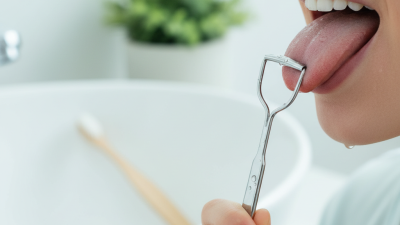
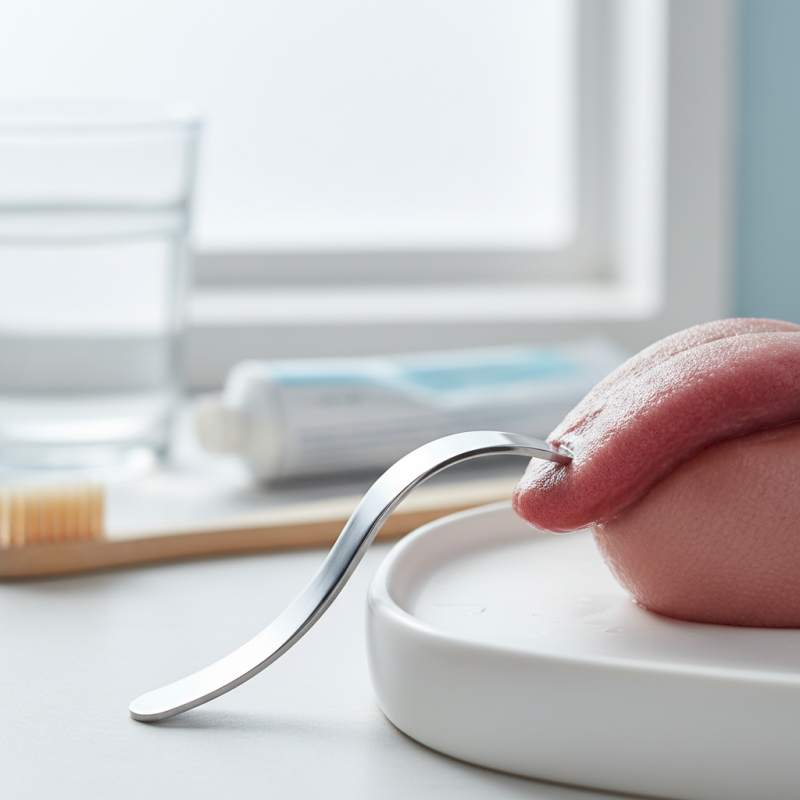
Tips: For effective tongue scraping, choose a scraper that feels comfortable. Gently scrape from the back of the tongue to the front, rinsing the scraper after each use. It's crucial to maintain a regular schedule, ideally every morning.
Incorporating tongue scraping into your daily routine might require some initial effort. It's not just about scraping; it's about developing a habit. Listen to your mouth. If you feel a coating on your tongue, it may be time to reassess your oral hygiene practices. Even with a good brushing routine, neglecting the tongue can leave room for unwanted bacteria.
Effectiveness of Tongue Scrapers for Oral Hygiene
Comparing Tongue Scrapers to Other Oral Hygiene Tools
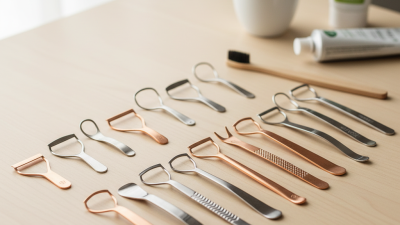
When it comes to maintaining oral hygiene, tongue scrapers have gained popularity. Many people wonder how they compare to traditional tools like toothbrushes and floss. Research offers insights into their effectiveness.
Tongue scraping can significantly reduce bacteria. This helps fight bad breath and promote fresher breath.
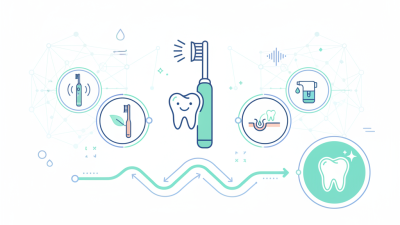
However, not everyone regularly uses tongue scrapers. Some might find them uncomfortable or ineffective. A toothbrush can reach the surface of the tongue, but often only partially. Flossing focuses on areas between the teeth, not the tongue.
Yet, using a combination can enhance overall oral hygiene.
Despite their benefits, tongue scrapers require proper technique. Over-scraping can cause irritation or discomfort. Individuals should approach this tool carefully. Listening to the body's responses is essential. Proper hygiene isn’t just about one tool; it’s about finding what works for you.