Top Dental Care Brushes for a Bright Smile What to Consider?
When it comes to maintaining oral health, choosing the right Dental Care Brush is essential. Dr. Emily Richardson, a renowned dental hygienist, emphasizes, "A good brush can make all the difference in your routine." With countless options available, knowing what to consider can feel overwhelming.
Many factors influence the effectiveness of a Dental Care Brush. Bristle type, handle design, and size all play key roles. For instance, softer bristles are often recommended for gentle cleaning. However, some individuals might need firmer options. Finding the right balance is crucial for effective plaque removal without damaging gums.
The market is flooded with brushes claiming superior results. However, not all meet the mark in everyday use. Some consumers report dissatisfaction after trying these brushes. Reflecting on personal experiences can help in making informed choices. A thoughtful approach toward selecting a Dental Care Brush will lead to a brighter smile.
Understanding the Importance of Choosing the Right Dental Brush
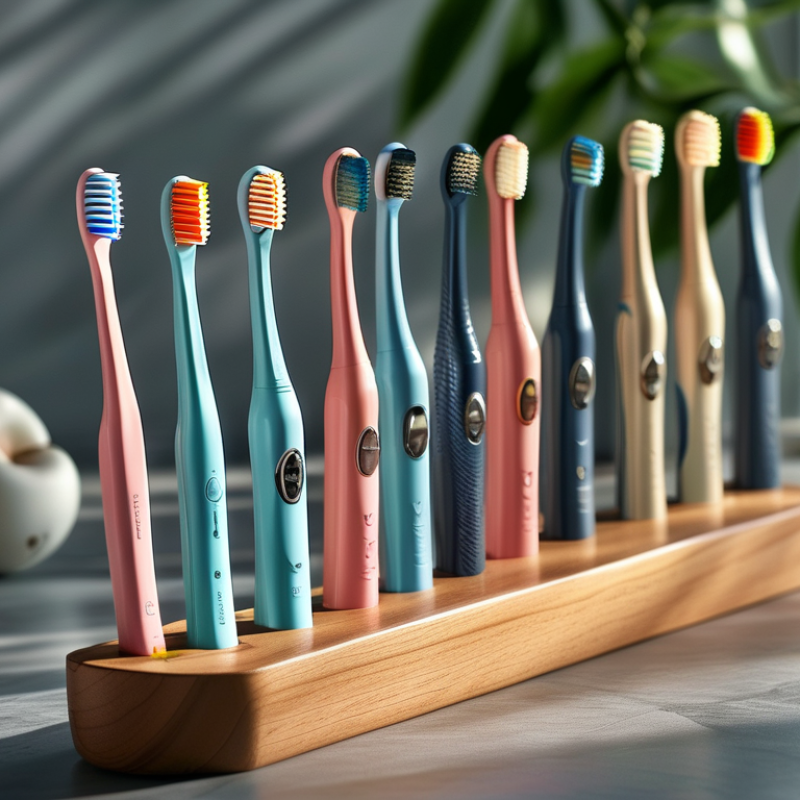
Choosing the right dental brush is crucial for maintaining oral health. Not all brushes are created equal. User comfort and the bristle type matter greatly. You may prefer soft bristles if your gums are sensitive. Hard bristles may cause irritation over time. A brush with a comfortable handle can enhance your brushing experience.
Consider the shape of the brush head. Smaller heads can reach difficult spots in your mouth more easily. A toothbrush that fits your mouth can make a difference in cleaning efficiency. Many people overlook the importance of replacing their brush regularly. An old, worn-out brush is less effective, leaving plaque behind. Make a point to change your toothbrush every three to four months.
Electric toothbrushes can offer additional benefits. They typically provide consistent pressure and thorough cleaning. However, they may not be suitable for everyone. Some users find them overwhelming or expensive. Reflecting on individual needs will guide you toward the best option. The key is to find a dental brush that fits your unique lifestyle and oral care habits.
Types of Dental Care Brushes: A Comparative Overview
When choosing a dental care brush, it's important to know your options. The market offers different types, each with unique features. Manual toothbrushes, for example, provide control over brushing technique. Electric toothbrushes, on the other hand, have been shown to reduce plaque by 21% compared to manual brushes, according to a study published in the Journal of Clinical Dentistry.
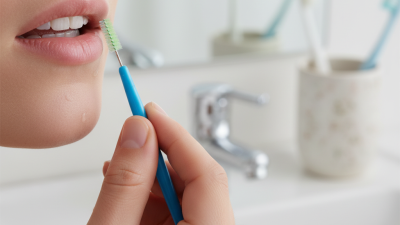
Interdental brushes are also significant. They help clean between teeth where floss might not reach. Research indicates that using these brushes can improve gum health significantly, reducing bleeding by 50% in some cases. However, they might not be suitable for everyone. Some individuals find them uncomfortable or difficult to maneuver.
Moreover, the bristle type can affect cleaning efficiency. Soft bristles are recommended by dental professionals for those with sensitive gums. Yet, some still choose medium or hard bristles for perceived effectiveness. This choice can lead to enamel wear if not monitored. Understanding these nuances can help individuals make informed choices for their dental care routine. Regular consultation with a dentist is essential to tailor the right brushing method for each person.
Top Dental Care Brushes for a Bright Smile
This chart compares the effectiveness of various types of dental care brushes based on their average user ratings and reported effectiveness in promoting oral hygiene.
Key Features to Look for in Effective Toothbrushes
When selecting a toothbrush, several key features can significantly impact your oral hygiene. The bristle type is essential. Soft bristles are often recommended for effective cleaning without damaging gums. Look for brushes with rounded tips, as they are gentler on sensitive areas. A comfortable grip will also enhance your brushing experience.
Watch for the size of the brush head. A smaller head can reach tricky spots more easily. Consider whether you prefer manual or electric models. Electric brushes can provide superior plaque removal, but manual brushes can be just as effective with proper technique.
Tips: Change your toothbrush every three months. This ensures optimal cleaning and maintains hygiene. Do not ignore the importance of brushing technique. Aim for two minutes of brushing, getting all surfaces. Flossing is equally vital. It complements brushing by removing debris between teeth. A comprehensive approach leads to a brighter smile, fulfilling your dental care goals.
How to Use Dental Brushes for Optimal Oral Health
When using dental brushes, proper technique is essential for maintaining optimal oral health. Start with a gentle grip. A heavy hand can lead to gum irritation. Choose a brush that fits comfortably in your mouth, allowing easy access to all areas. Focus on small, circular motions. This method helps to effectively remove plaque without damaging your enamel.
Tips for optimal use include brushing for at least two minutes, twice daily. It’s vital to cover every tooth surface. Don't forget the gum line; this area is often overlooked. Consider using a timer to ensure you brush long enough. Change your brushes regularly — every three months or when the bristles fray.
You might feel discomfort when first using certain brushes, especially if you have sensitive gums. Reflect on your technique; adjust pressure and angle as needed. Remember, it’s okay to take small steps toward improvement. Oral health is a journey, and every effort counts. Pay attention to how your mouth feels after brushing and adapt your routine to suit your needs.
Top Dental Care Brushes for a Bright Smile - What to Consider? - How to Use Dental Brushes for Optimal Oral Health
| Dental Brush Type |
Bristle Firmness |
Recommended Usage |
Additional Features |
| Manual Toothbrush |
Soft, Medium |
Twice a day |
Ergonomic handle |
| Electric Toothbrush |
Soft, Varies |
Once or twice a day |
Timer, Pressure sensor |
| Interdental Brush |
Soft |
Daily use |
Multiple sizes available |
| Tongue Scraper |
N/A |
Daily use |
Textured surface |
Maintenance Tips for Prolonging the Life of Your Dental Brush
Maintaining your dental brush is essential for effective oral hygiene. A well-cared-for brush can last longer and provide better cleaning. Rinse your brush after each use to remove toothpaste and debris. Store it upright in a well-ventilated area. Avoid covering it or storing it in a closed container, as this promotes bacterial growth.
Replacing your dental brush every three to four months is crucial. However, you might need to change it sooner if the bristles become frayed. Frayed bristles are less effective at removing plaque. Pay attention to the signs of wear. If your brush feels less effective, it’s time for a new one. Regularly assess its condition.
Another tip is to avoid sharing brushes. Sharing can lead to infections. Each person’s oral environment is unique, and bacteria differ. Also, it’s wise to avoid using a brush immediately after illness. This can help prevent reinfection. While it may seem trivial, these practices can significantly extend the life of your dental brush and enhance your overall dental care routine.