Top 10 Kid Toothbrushes for Healthy Smiles Worldwide?
A healthy smile starts early. Parents play a crucial role in establishing good oral hygiene habits in children. Kid toothbrushes are essential tools in this process. According to the American Dental Association, children should begin brushing their teeth as soon as they erupt. However, many children still struggle with proper brushing techniques.
Research shows that around 20% of children experience tooth decay by age 5. Selecting the right kid toothbrush can significantly influence a child's dental hygiene habits. Features such as soft bristles, fun designs, and ergonomic handles help engage young users. An attractive, well-designed toothbrush can encourage consistent use and make brushing more enjoyable. Parents must invest time in finding quality products.
Brands specialized in dental care emphasize the importance of age-appropriate designs. Each toothbrush should cater to a child's developmental stage. A wide variety is available, each with unique features. This diversity can make the selection process overwhelming. Parents may need to assess individual needs, preferences, and comfort levels. Ultimately, the right kid toothbrush lays the foundation for lifelong dental health.
Top Features to Look for in Kids' Toothbrushes
When choosing a toothbrush for kids, several key features are essential for promoting healthy smiles. First, the size of the brush head should fit comfortably in a child’s mouth. A smaller head allows better access to all areas, ensuring thorough cleaning. Studies indicate that children can effectively remove plaque with a toothbrush head no larger than 0.5 inches.
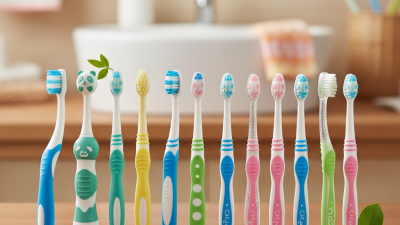
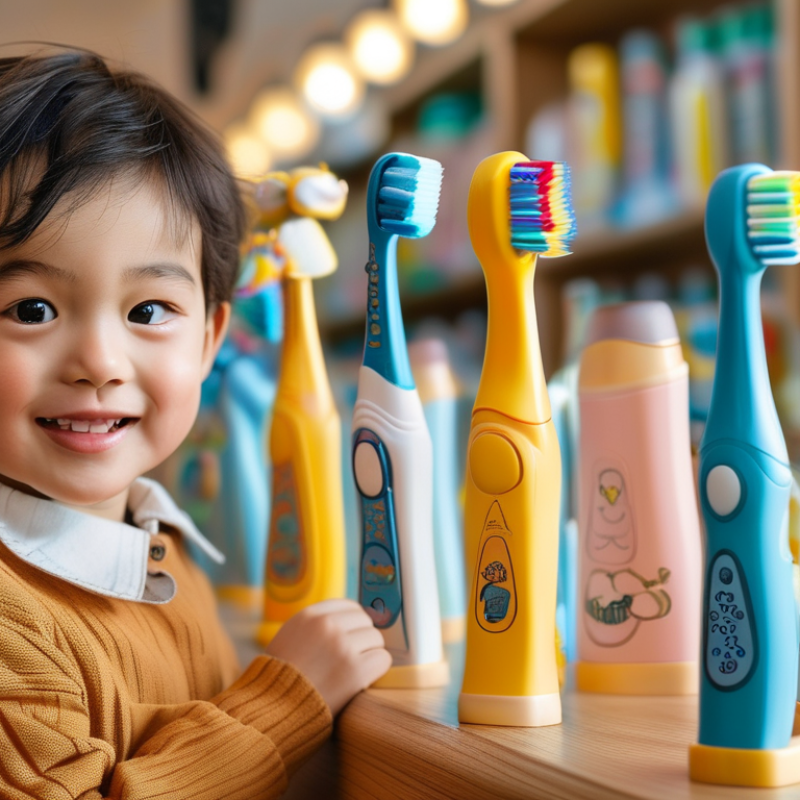
Soft bristles are crucial. Children’s gums are sensitive, so softer bristles prevent irritation while still being effective. According to dental professionals, a toothbrush with gentle bristles helps reduce the risk of gum injuries. Colorful designs and favorite characters can encourage kids to embrace brushing habits while maintaining effectiveness.
Tips: Encourage your child to choose their toothbrush. This simple act can motivate them to brush regularly. Supervise their brushing until they are around seven or eight years old. This involvement can improve technique and ensure they do not miss critical spots.
Additionally, consider models with built-in timers for optimal brushing duration. Many electric brushes feature two-minute timers, aligning with dentist recommendations. This helps children understand the importance of thorough cleaning, fostering better oral hygiene routines from an early age. Kids should brush twice a day, ideally after breakfast and before bedtime.
Benefits of Using Age-Appropriate Toothbrushes for Children
Choosing the right toothbrush for children is crucial for dental health. Age-appropriate toothbrushes cater to the unique needs of little ones. A smaller brush head allows better access to all areas of the mouth. This means kids can clean their teeth more effectively. Soft bristles help prevent gum irritation, ensuring a comfortable brushing experience.
Teaching children the importance of oral care starts with the right tools. When kids use brushes designed for their age, they develop good habits. Fun colors and engaging designs may motivate them to brush regularly. It’s essential to replace toothbrushes every three months. This ensures maximum cleaning power and maintains hygiene.
However, many parents overlook the significance of a suitable brush. They may choose adult-sized brushes, thinking it’s sufficient. But this can lead to poor brushing habits and even dental issues. Parents should assess how their children are brushing. Observing their technique can help identify any need for change. Proper dental care at a young age sets the foundation for healthy smiles in the future.
Top 10 Kid Toothbrushes for Healthy Smiles Worldwide
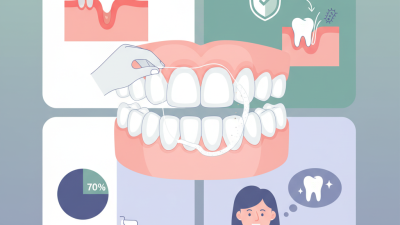
This chart illustrates the popularity of age-appropriate toothbrushes among different age groups of children. It highlights the importance of selecting the right toothbrush for kids to promote healthy dental habits. Each age group shows varying levels of preference, emphasizing why age-specific designs are crucial for effective brushing.
Popular Brands and Models of Kids' Toothbrushes in 2023
When it comes to children's oral health, selecting the right toothbrush is crucial. The American Dental Association recommends children brush at least twice a day for their teeth to remain healthy. Choosing a toothbrush designed specifically for kids can greatly impact their overall dental hygiene. In 2023, several popular models have emerged, emphasizing comfort and effective plaque removal while appealing to children’s tastes in colors and characters.
Research shows that a child's enthusiasm for brushing increases with fun and engaging features. Many brands have innovated their designs to include soft bristles. Studies indicate that softer bristles are gentler on gums, reducing discomfort, hence encouraging regular brushing. Additionally, the size of the brush matters. A smaller head allows better access to hard-to-reach areas, promoting a thorough cleaning experience.
Despite these advancements, not all children engage effectively with their toothbrushes. Some may neglect to apply an adequate amount of toothpaste, while others brush too aggressively, risking gum damage. Parental guidance continues to play a key role in teaching kids proper brushing techniques. Making brushing a fun routine can improve compliance and lead to healthier smiles.
Tips for Encouraging Children to Brush Their Teeth Regularly
Encouraging children to brush their teeth regularly can be a challenge. Fun and engaging techniques can help make this task more enjoyable. Aim to create a positive routine. Use colorful toothbrushes or timers. Celebrate each successful brushing session. A sticker chart can also motivate little ones to keep up with their dental hygiene.
Reading stories about brushing teeth might spark their interest. Choose books featuring characters that enjoy brushing. This can help children see it as a fun part of their day. Involve them in decisions. Let them pick their toothpaste flavors or toothbrush designs. This makes them feel more invested in the process.
It's crucial to lead by example. Brush your teeth alongside them. Show them how to brush properly. Children often learn by mimicking adults. Sometimes, despite our best efforts, they may forget or resist. Patience and understanding are vital. Give gentle reminders and keep it lighthearted.
Best Practices for Maintaining Kids' Oral Hygiene with Toothbrushes
Maintaining kids' oral hygiene can be a challenge. It starts with choosing the right toothbrush. Opt for soft-bristled brushes that are gentle on tiny gums. A comfortable grip helps children maneuver the toothbrush effectively. This choice fosters positive brushing habits from an early age.
Parents should supervise brushing sessions. Children often miss spots, especially in the back of the mouth. Encouraging a two-minute routine makes a difference. Using a timer can transform brushing into a fun game. Yet, not all children enjoy this process, leading to disengagement.
Fluoride toothpaste is crucial for cavity prevention. However, using a pea-sized amount is essential. Kids may want more, thinking it provides better protection. Regular dental visits are vital too. They help identify issues early on. Neglecting these appointments can lead to complications down the road. With guidance and encouragement, kids can develop strong oral hygiene habits.