What is a Water Flosser and How Does it Work?
A Water Flosser is an innovative dental tool that promotes oral hygiene effectively. Unlike traditional flossing, it uses a stream of pulsating water to remove food particles and plaque between teeth. This device offers convenience, particularly for those with braces or bridges. Many find it easier to use than regular dental floss.
The technology behind the Water Flosser involves a motor that pumps water through a nozzle. Adjusting the pressure can tailor the experience to individual comfort. While it is not a replacement for brushing, it can enhance overall dental care. Users often report a refreshing feeling after use, which encourages consistent oral hygiene habits.
However, some may struggle with the technique or feel it is not as thorough. Potential users should consider their specific dental needs. A Water Flosser can be a powerful tool, but it requires a bit of practice to master. Embracing this technology could transform your approach to dental health.
What is a Water Flosser?
A water flosser is a unique dental hygiene tool designed to improve oral health. Unlike traditional dental floss, it uses a stream of pulsating water to remove food particles and plaque between teeth and along the gum line. This method can be particularly helpful for people with braces or dental work where flossing may be challenging.
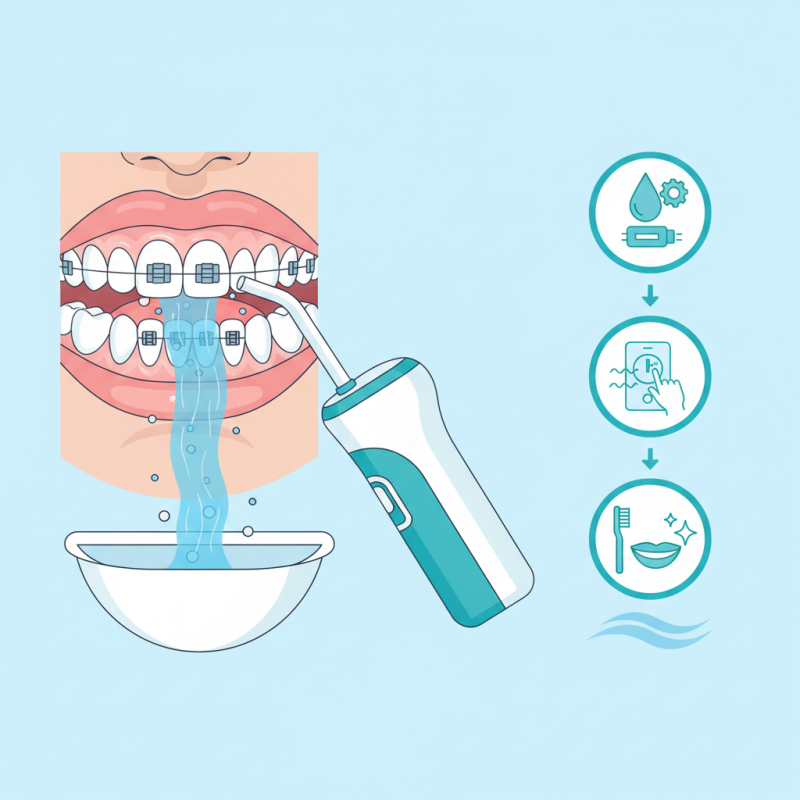
Using a water flosser is relatively straightforward. You fill the reservoir with water, select the appropriate pressure setting, and guide the nozzle between teeth. The water jet targets hard-to-reach areas effectively. Many users find this method gentler on gums compared to traditional flossing. However, some people may need time to adjust to the sensation of water in their mouths. It is essential to practice to achieve the best results.
While a water flosser can enhance oral hygiene, it should complement regular brushing and dental check-ups. Not everyone may find it effective for their needs. Dental professionals often recommend a combination of methods for optimal care. Despite its benefits, an individual’s commitment to oral hygiene remains the key factor in preventing dental issues.
What is a Water Flosser and How Does it Work?
| Feature |
Description |
| Definition |
A water flosser is an oral hygiene device that uses a stream of pulsating water to remove food particles and plaque from between teeth and below the gumline. |
| Working Principle |
It operates by directing a thin stream of water at high pressure to dislodge debris and bacteria. |
| Benefits |
Promotes healthier gums, reduces plaque, can be easier to use than traditional flossing for some individuals. |
| Types |
Countertop units, cordless models, and specialized tips for braces or implants. |
| Usage |
It is typically used after brushing teeth, aiming the jet of water at the gumline and between teeth. |
| Limitations |
May not remove plaque as effectively as traditional floss; some users may experience discomfort. |
Key Components of a Water Flosser
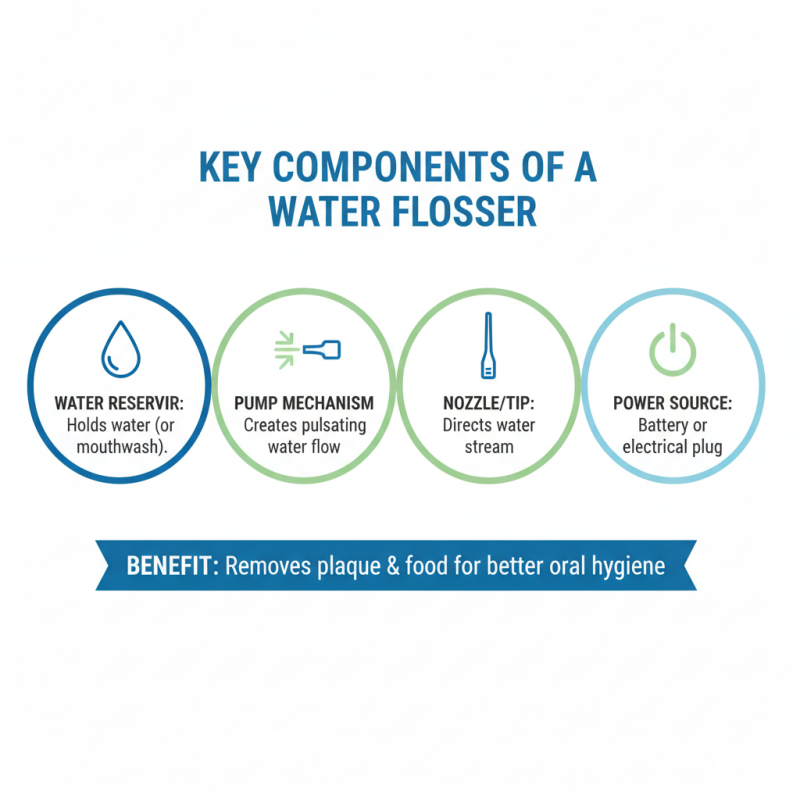
A water flosser is an innovative device designed to improve oral hygiene. It uses a narrow stream of pulsating water to remove food particles and plaque from between teeth and along the gum line. Understanding the key components of a water flosser can help users get the most benefit from this tool.
At the heart of a water flosser is the water reservoir. This holds the water used during the flossing process. A strong pump generates pressure, creating a powerful stream. Most devices allow users to adjust the pressure to match their comfort levels. Another important component is the nozzle, which directs the water flow. Different tips can cater to various needs, like orthodontic care or gum massage. This flexibility is beneficial, but users often overlook the need to change tips regularly.
The device's controls influence how effectively it works. Some have simple switches, while others offer multiple modes. Understanding these settings can enhance the user experience. However, it’s important to note that improper use may lead to discomfort or ineffective cleaning. Users should take time to learn the best practices for this tool to avoid such pitfalls.
How a Water Flosser Works Mechanically
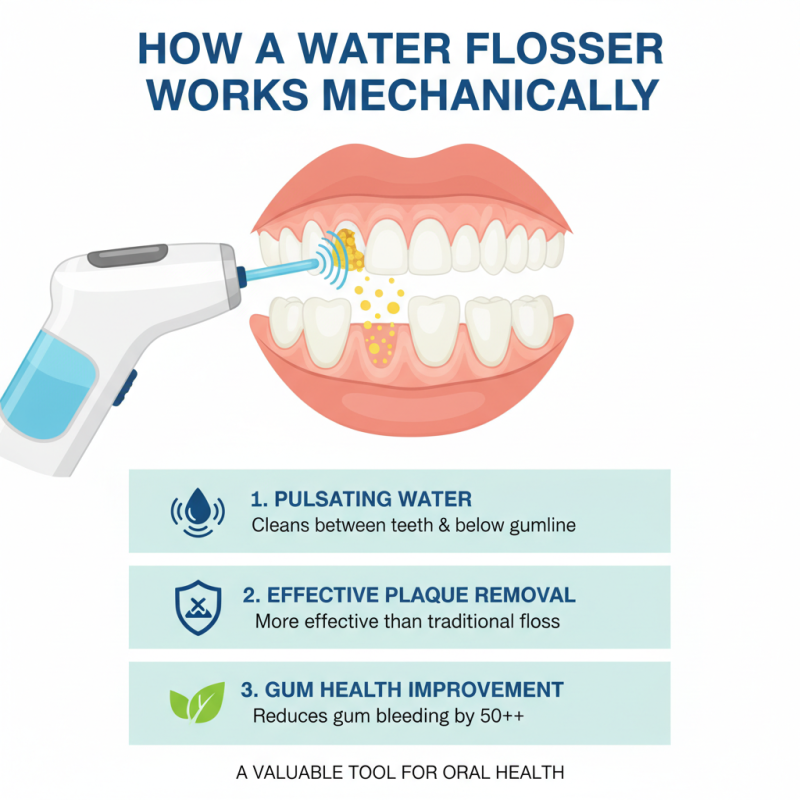
A water flosser uses a stream of pulsating water to clean between teeth and below the gum line. Unlike traditional floss, it provides an effective way to remove plaque. Studies indicate that these devices can reduce gum bleeding by over 50%, making them a valuable tool for oral health.
Mechanically, a water flosser consists of a motor, a water reservoir, and a nozzle. The motor generates pressure, pushing water through the attached nozzle. This pressure can vary, generally between 40 to 90 PSI, allowing customizable cleaning experiences. Users can adjust settings according to their sensitivity, which is crucial for those with gum issues.
Research from dental health organizations highlights that using a water flosser can improve overall oral hygiene. It reaches areas that brushing alone may miss. However, some might fail to use it regularly, which reduces its effectiveness. Continuous education on usage techniques is necessary to maximize benefits. Understanding the mechanics can deepen appreciation for this tool’s role in dental care.
Benefits of Using a Water Flosser Compared to Traditional Flossing
Water flossers have gained popularity for several compelling reasons. They utilize a steady stream of pulsating water to remove plaque and food particles from between teeth and along the gum line. This method can be more effective for some people than traditional string floss. Users often find it easier and more comfortable to use. For those with braces or dental implants, water flossers can be especially beneficial. The gentle water pressure cleans hard-to-reach areas that traditional floss may miss.
Switching to a water flosser can be a game-changer. Many people notice a reduction in gum bleeding and irritation after just a few uses. The experience can feel refreshing, almost like a mini oral spa. However, it's worth mentioning that the effectiveness may vary depending on personal technique. Some may not hold the flosser at the correct angle. Others might not spend enough time on each area. Embracing the water flosser journey requires a bit of practice. Listening to one’s body and adjusting pressure settings can enhance the experience and effectiveness over time.
Benefits of Water Flossing vs. Traditional Flossing
Tips for Optimal Use and Maintenance of a Water Flosser
Using a water flosser can significantly improve your oral health.
According to the American Dental Association, water flossers can reduce plaque by up to 29% more than traditional methods.
To maximize their effectiveness, it’s essential to follow some practical tips for optimal use and maintenance.
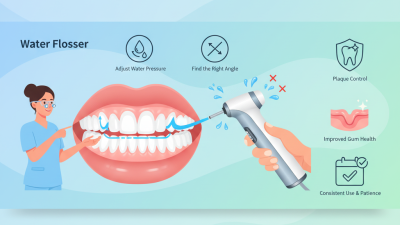
Begin by adjusting the water pressure to a comfortable level.
Too high may cause discomfort, while too low might be ineffective.
Position the flosser tip at a 90-degree angle to your gum line.
This angle allows the water stream to reach the spaces between teeth effectively.
It’s advisable to use a gentle sweeping motion along your gum line.
Regular maintenance is crucial for your water flosser.
Empty the water reservoir after each use to prevent bacteria growth.
Cleaning the tips regularly with warm, soapy water can help maintain hygiene.
The ADA suggests replacing the tip every three to six months for optimal performance.
Remember to check the water tube for any blockages or wear that could affect the flosser's efficiency.
Following these tips not only enhances the performance of your device but also supports long-term oral health.