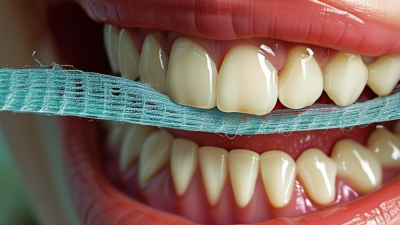
A clean tongue can make your whole mouth feel fresher. Yet many people brush their teeth carefully and overlook the tongue’s textured surface. It can hold food particles, bacteria, and compounds linked with unpleasant breath. A Tongue Scraper offers a simple way to remove some of this buildup. Unlike brushing alone, it gently sweeps across the tongue instead of relying only on bristles.
The process takes less than a minute. Stand near a mirror, place the scraper toward the back of your tongue, and pull it forward with light pressure. Rinse the tool after each pass. Avoid forcing it too far back. Gagging is common at first, and that does not mean you are doing it wrong. Still, scraping should never cause bleeding, sharp pain, or lasting irritation. Stop if discomfort continues.
Dental professionals generally view tongue cleaning as a useful addition to regular brushing and flossing. It does not replace either habit. It also cannot treat every cause of bad breath, including dry mouth, gum disease, or certain medical conditions. Research on tongue scraping is encouraging, but results may differ between individuals. That matters. A fresh feeling is helpful, but it is not proof of complete oral health.
Choose a smooth, easy-to-clean Tongue Scraper from a reputable manufacturer. Replace it when the edge becomes rough or damaged. If persistent odor, coating, sores, or pain remains, consult a dentist. A small daily habit can support better hygiene, provided it is used gently and realistically.
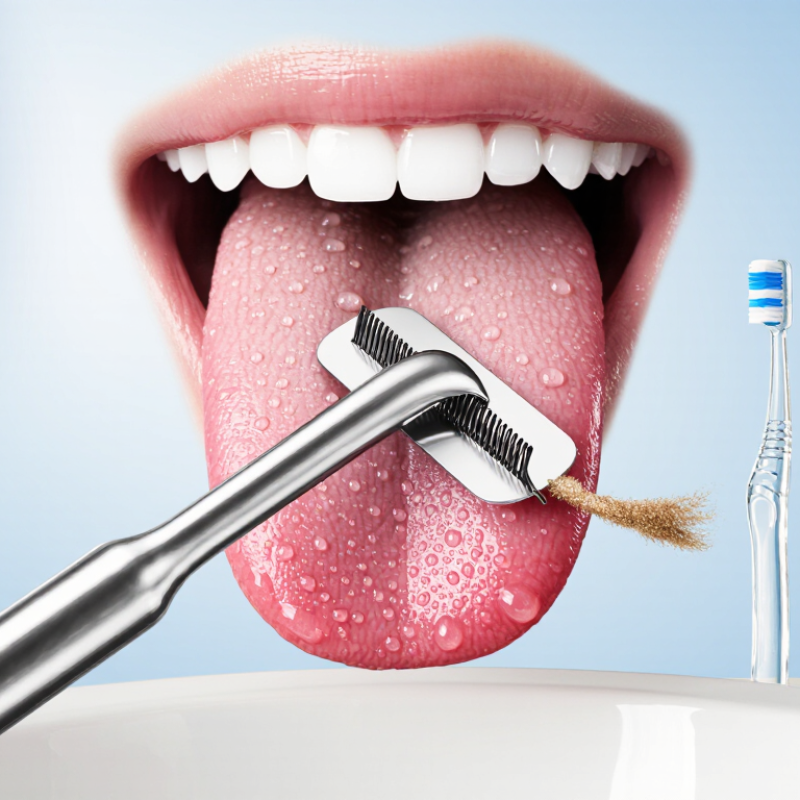
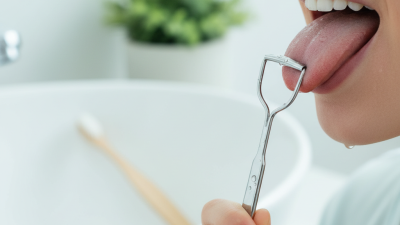
A tongue scraper is a small tool with a broad, curved edge. It is designed to remove coating from the tongue’s surface. This coating can contain bacteria, food particles, and dead cells. The scraper works through gentle contact, not aggressive pressure. Place it near the back of the tongue, then pull forward slowly. Rinse the tool after each pass. Two or three passes are usually enough.
The tongue has tiny grooves that can hold odor-producing compounds. A 2019 review in the International Journal of Dental Hygiene reported that mechanical tongue cleaning may reduce volatile sulfur compounds linked with bad breath. However, the evidence was not equally strong across all studies. Results can vary with oral hygiene habits, dry mouth, diet, and cleaning technique. It is not a cure-all.
The World Health Organization’s Global Oral Health Status Report estimates that oral diseases affect nearly 3.5 billion people worldwide. That figure shows why simple daily habits matter. Still, tongue scraping cannot replace fluoride brushing or cleaning between teeth. Dental guidance generally treats it as an additional step. Use light pressure. A tongue should not bleed. If soreness or persistent odor continues, a dental professional should check for gum disease, decay, or dry mouth. Many people scrape too forcefully, believing discomfort means better cleaning. That assumption deserves reconsideration.
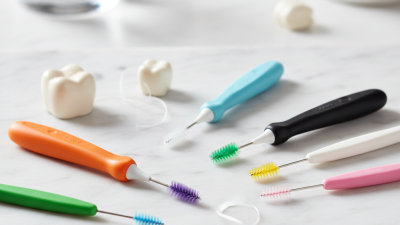
Tongue scraping supports better oral hygiene by removing surface debris, shed cells, and odor-producing compounds. The tongue is not smooth; its tiny grooves can hold food particles and bacteria overnight. A gentle pass often leaves a cleaner texture and fresher breath. I notice the difference most after waking, when my mouth feels dry and coated.
Evidence needs careful wording. The World Health Organization’s Global Oral Health Status Report (2022) estimates that nearly 3.5 billion people live with oral diseases. Tongue scraping cannot prevent tooth decay or gum disease alone. However, clinical reviews report short-term reductions in volatile sulfur compounds, which contribute to bad breath. The American Dental Association still emphasizes brushing twice daily, cleaning between teeth, and regular dental visits. Scraping is an addition, not a replacement. I once pressed too firmly and caused tenderness. That was unnecessary.
Tips: Use a clean scraper once daily, preferably after brushing. Place it near the back only as far as comfort allows. Pull forward lightly, then rinse the tool. Two or three gentle passes are enough. Avoid scraping until the tongue feels sore. Persistent odor, bleeding, pain, or unusual coating deserves professional evaluation. Results vary. That matters.
| Oral Hygiene Dimension | Evidence-Based Information | Practical Takeaway |
|---|---|---|
| Removal of Tongue Coating | The tongue can collect bacteria, food particles, shed cells, and mucus, creating a visible coating. A scraper can physically remove this surface buildup more efficiently than leaving the tongue uncleaned. | Use gentle strokes from the back area that feels comfortable toward the tip, rinsing the scraper after each pass. |
| Breath Freshness | Tongue bacteria can produce volatile sulfur compounds, which are associated with unpleasant breath. Cleaning the tongue may reduce odor temporarily by lowering surface debris and odor-producing bacteria. | Include tongue cleaning in a daily oral-care routine, while continuing regular brushing, interdental cleaning, and dental checkups. |
| Bacterial Load | The tongue’s textured surface provides places where microorganisms can accumulate. Mechanical tongue cleaning can reduce the amount of removable bacterial material on the tongue surface. | Clean the scraper with water after use and allow it to dry. Do not share the device with another person. |
| Plaque and Gum Health | Tongue scraping is an additional cleaning method, not a substitute for brushing with fluoride toothpaste or cleaning between teeth. Those measures remain central to plaque control and gum health. | Brush twice daily with fluoride toothpaste and clean between teeth regularly; treat tongue scraping as a supplement. |
| Taste and Mouth Comfort | Removing a thick tongue coating may make the mouth feel cleaner and may help food contact the taste buds more directly. Benefits can vary from person to person. | Apply light pressure and stop if scraping causes pain, bleeding, persistent irritation, or sensitivity. |
| Recommended Technique | Effective tongue cleaning depends more on gentle, consistent contact with the tongue surface than on force. Excessive pressure can irritate the tissue. | Place the scraper toward the rear of the tongue without triggering discomfort, then pull forward slowly and rinse between strokes. |
| Frequency | Daily tongue cleaning is commonly included in oral-hygiene routines, but the ideal frequency is not established for everyone and depends on comfort and tongue-coating buildup. | Start once a day and adjust according to comfort. More pressure or repeated scraping is not a substitute for better technique. |
| Safety Considerations | The tongue is sensitive tissue. Aggressive scraping may cause soreness, small injuries, or bleeding. Persistent coating, pain, sores, or unexplained color changes should be assessed by a dental professional. | Use a clean, smooth scraper, avoid scraping broken or painful areas, and seek professional advice when symptoms persist. |
| Overall Role in Oral Hygiene | Tongue scraping supports surface cleanliness and breath management, but it does not remove all causes of bad breath or prevent every oral disease. | Combine tongue scraping with fluoride brushing, interdental cleaning, a balanced diet, limited added sugars, and routine dental care. |
Key point: Tongue scraping can be a useful addition to daily oral hygiene, especially for reducing tongue coating and temporary mouth odor, but it should complement—not replace—brushing and interdental cleaning.
Why Use a Tongue Scraper for Better Oral Hygiene?
Regular tongue scraping can remove the thin coating that collects on the tongue’s surface. This coating may contain food particles, dead cells, and odor-producing bacteria. A cleaner tongue often feels fresher, especially in the morning. Some people also notice that food tastes clearer after scraping. The effect is helpful, but it varies between individuals.
Tongue scraping supports oral hygiene, but it does not replace brushing, flossing, or dental checkups. Persistent bad breath may signal gum disease, dry mouth, or another health concern. A dental professional can help identify the cause. Scraping should feel gentle, not painful. I once assumed that stronger pressure meant better cleaning, but that can irritate the tongue. More effort is not always more effective.
Tips: Use a clean scraper once daily, preferably after brushing. Place it near the back of the tongue, then pull forward lightly. Rinse the tool after each pass. Avoid scraping over sores or bleeding areas. Stop if discomfort continues, and seek professional advice when needed. A simple routine works best when it is consistent.
Evidence-based oral benefits commonly associated with regular tongue cleaning
The tongue can retain bacteria, food debris, and coating, especially on its uneven surface. Regular tongue scraping may help reduce tongue coating and odor-causing compounds, while supporting fresher breath and a cleaner overall mouth. Tongue scraping should complement—not replace—brushing with fluoride toothpaste, interdental cleaning, and routine dental care.
Evidence-strength scale: 1 = limited or indirect evidence; 5 = consistently supported benefit. Scores summarize findings commonly reported in oral-health research and are not clinical outcome percentages.
Why Use a Tongue Scraper for Better Oral Hygiene?
How to Use a Tongue Scraper Correctly
A tongue scraper can remove coating, food debris, and some odor-producing compounds. It does not replace brushing, interdental cleaning, or dental visits. The World Health Organization’s Global Oral Health Status Report 2022 estimates that oral diseases affect nearly 3.5 billion people worldwide. Small daily habits still matter. A systematic review in the Journal of Clinical Periodontology found that tongue cleaning may reduce volatile sulfur compounds, although the evidence remains limited and benefits may be temporary.
Use the scraper once daily, preferably after brushing. Stand near a mirror and extend your tongue comfortably. Place the rounded edge near the back, but stop before triggering a strong gag reflex. Pull it forward with gentle, steady pressure. Rinse the scraper after each pass. Two or three passes are usually enough. Do not scrape until the tongue feels raw. That is too much.
A common mistake is pressing harder when the coating remains. I have noticed that this can leave the tongue tender, not cleaner. Wash the scraper with warm water and let it dry in a clean place. Avoid sharing it. Stop if bleeding, pain, or persistent discoloration appears, and ask a dental professional for advice. A lasting bad taste or odor may signal gum disease, dry mouth, reflux, or another condition. A scraper cannot diagnose those problems.
A tongue scraper can remove coating, food particles, and odor-causing bacteria from the tongue’s surface. It should support brushing and flossing, not replace them. A cleaner tongue may also make your mouth feel fresher after breakfast or coffee. The effect is usually modest, but noticeable.
Choose a scraper with a smooth, rounded edge and a handle that feels secure when wet. Stainless steel or durable plastic can both work well. Select a width that reaches most of your tongue without causing a strong gag reflex. A smaller tool may suit children or sensitive users. Avoid sharp edges, cracks, and rough surfaces. They can irritate delicate tissue. I once pressed too firmly and noticed soreness later. Gentle pressure works better than force.
Use it once daily, preferably after brushing. Place the scraper near the back of your tongue, then pull forward slowly. Rinse it after every pass and wash it with mild soap and warm water. Let it air-dry completely before storing it in a clean, ventilated place. Do not share it. Inspect the edge often, and replace the scraper when it becomes damaged or difficult to clean. Stop if bleeding or persistent pain occurs. A dentist should assess ongoing soreness, unusual patches, or bad breath that does not improve.