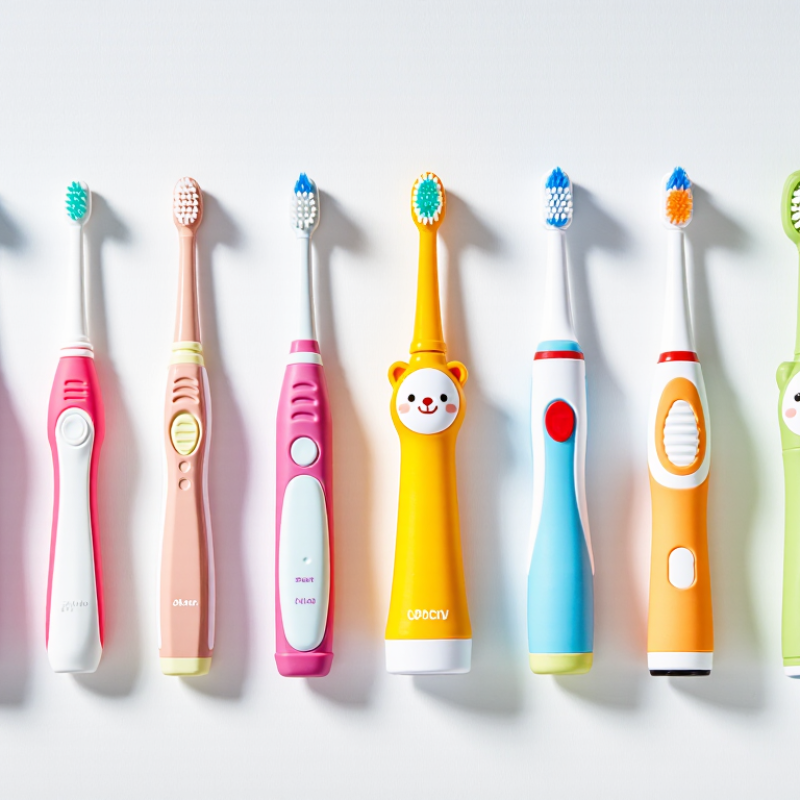
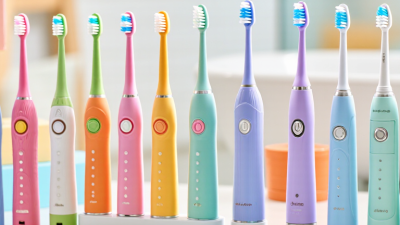
Choosing a Kid Toothbrush is a small decision with daily consequences. The right brush should feel comfortable in a child’s hand, reach the back teeth, and clean gently along the gumline. A bulky handle may slip during brushing. A large head can miss tight spaces. Small details matter.
This guide compares ten Kid Toothbrush types for buyers serving different ages, preferences, and markets. It looks at manual brushes, powered models, compact heads, soft bristles, and travel-friendly designs. Each type brings trade-offs. A bright character design may encourage brushing, but appearance alone cannot prove quality. Buyers should also check age guidance, bristle softness, grip, head size, and clear product specifications.
An expert quotation should be verified with its speaker before publication. Suggested interview line: “A child’s toothbrush should fit comfortably, feel gentle, and make daily brushing easier.” — [Insert a verified pediatric dental expert’s name]
That principle is simple. Yet product pages do not always show how a brush feels in a small hand. Buyers may need to test samples and review feedback from caregivers. This overview offers a practical starting point, not a substitute for professional dental advice. Some choices will still depend on the child.
Children’s toothbrushes are commonly classified by head size, bristle softness, handle shape, and power source. For toddlers, a compact head can reach small back teeth, while a wider handle may be easier to grip. Soft bristles suit many children, but age labels alone cannot confirm a comfortable fit. Manual brushes offer direct control; powered models add vibration or rotation that some children enjoy. Fit matters.
Tips: Check that the head sits comfortably in the child’s mouth and the handle stays secure in a wet hand. Brush gently along the gumline. Ask a dental professional about technique or special needs. Replace the brush when its bristles splay.
Use also shapes the range: beginner brushes often have thicker grips, while travel brushes may include a cap or folding handle. For children with braces, a slim head or V-shaped bristles can help reach around brackets, but careful brushing still matters. Timer-equipped brushes may support a routine, though not every child likes the sensation. Honestly, age ranges can be a blunt guide. These categories overlap, and product labels are not always consistent. A child’s comfort and ability to brush well deserve a closer look.
Top 10 Kid Toothbrush Types for Global Buyers
The 10 Main Types of Toothbrushes for Children
Children’s toothbrushes vary in bristle softness, handle shape, head size, and power source. The World Health Organization’s 2022 Global Oral Health Status Report estimates that 514 million children have tooth decay in their primary teeth. That figure makes everyday brushing tools more than a shelf choice. For buyers, age fit, easy grip, and gentle cleaning matter.
The ten main types are standard manual, compact-head manual, extra-soft manual, training, finger, battery-powered, oscillating-rotating electric, sonic electric, U-shaped chewable, and interdental brushes. Manual brushes are simple and need no charging. Compact heads can reach smaller mouths; thick handles may help little hands hold steady. Electric models add movement, but children still need guidance. The American Dental Association recommends brushing twice daily for two minutes. Small detail, big habit.
These types are not equally suited to every child. Training and finger brushes can help introduce brushing, while interdental brushes may suit older children with braces, under dental guidance. U-shaped designs look convenient, but shape alone does not guarantee thorough cleaning. That deserves a second look. Buyers should check age guidance, replaceable-head availability, and clear care instructions. A brush that feels comfortable in a child’s hand is more likely to be used, though comfort is not a substitute for supervision.
For global buyers, a children’s toothbrush should match the child, not just the packaging age. A smaller head can reach back teeth more easily, while a rounded head may feel gentler on small cheeks. Choose a handle the child can grip with wet fingers; a wide, non-slip shape often helps beginners. Age labels are useful, but they are blunt tools. Mouth size and hand control vary.
Bristles matter. The American Dental Association recommends soft bristles to reduce the risk of gum abrasion, and advises replacing brushes every three to four months, or sooner when bristles look frayed. The CDC’s Oral Health Surveillance Report found that about one in five U.S. children aged 5–11 had at least one untreated decayed tooth. A toothbrush cannot prevent every cavity, but a comfortable fit may support regular brushing. Electric brushes can suit some children; others prefer a simple manual brush. Preference counts.
Tips: Check that the head reaches the back teeth without poking the cheeks. Look for soft, rounded bristle ends and a handle the child can control. Replace a worn brush. Fit matters. One detail is easy to overlook: a child may outgrow the handle before the bristles wear out.
Age, handle design, bristle type, and brush-head features
The chart compares indicative minimum ages commonly used to position these toothbrush categories; age labels vary by product and market. Infant and toddler models typically pair compact heads with soft bristles, while older-child options may add powered or orthodontic-specific head designs. Check local product labeling and dental guidance when selecting a brush.
Top 10 Kid Toothbrush Types for Global Buyers
Safety, Materials, and Standards Across Global Markets
A child’s toothbrush should fit the mouth, suit the child’s grip, and withstand daily use. The World Health Organization’s Global Oral Health Status Report (2022) estimates that untreated decay in primary teeth affects 514 million children worldwide. That scale makes safe, usable design more than a packaging detail. Small heads help reach back teeth. Soft bristles may feel gentler on young gums, but parents should still supervise brushing.
Materials and testing need market-by-market checks. Handles are commonly made from polypropylene, while bristles are often nylon; buyers should verify material declarations and relevant chemical-safety test reports. ISO 20126:2022 sets requirements and test methods for manual toothbrushes. It can support quality checks, but it does not replace local rules or prove every product is suitable for every child. Powered models may follow different standards. Details matter.
Age labels, rounded bristle ends, secure tufting, and smooth handle edges are practical points to inspect. Ask suppliers for current reports covering the exact model, not just a similar product. A neat-looking sample can still hide weak tuft retention. That part is easy to overlook. Standards also differ between markets, and documentation may not tell the whole story. Buyers should check local requirements and test products with their intended users where practical. A toothbrush that works well in one child’s hand may not suit another.
| No. | Toothbrush type | Typical materials and design | Common age or use | Key safety and quality checks | Relevant standards or market considerations |
|---|---|---|---|---|---|
| 1 | Infant finger toothbrush | Flexible silicone sleeve with short, soft ridges or bristles; designed to fit over an adult caregiver’s finger. | Caregiver-assisted mouth cleaning for infants; follow product instructions and dental guidance. | Check for tears, loose material, a secure fit, smooth edges, and clear cleaning instructions. Keep out of reach when not in use; supervise every use. | Check applicable chemical and general product-safety rules in the destination market. Do not assume that a “food-grade” material claim alone proves product safety or suitability. |
| 2 | Infant small-head manual toothbrush | Compact head, soft nylon or other toothbrush filament, and a short handle sized for caregiver-assisted brushing. | Early brushing when teeth begin to appear; caregiver use is typical. | Inspect for firmly anchored bristles, smooth head edges, a durable neck, and an appropriately small head. Replace if bristles loosen or the brush is damaged. | ISO 20126 specifies general requirements and test methods for manual toothbrushes. Confirm the current edition and its adoption or recognition in each target market. |
| 3 | Toddler extra-soft manual toothbrush | Small brushing head, densely set soft filaments, and a short handle that may include a broad grip. | Young children learning to brush, generally with adult supervision. | Use rounded, well-finished bristle ends where specified; assess filament retention, handle strength, and any small detachable parts. A toothbrush is not a chew toy. | For manual toothbrush performance and testing, consult ISO 20126. Market-specific chemical restrictions and labeling requirements may also apply. |
| 4 | Compact-head children’s manual toothbrush | Small head with soft filaments and a handle proportioned for children’s mouths and hands. | Children who can hold a brush but still need brushing guidance. | Check head size, handle finish, filament security, and resistance to breakage in foreseeable use. Give age guidance that matches the product’s design and instructions. | ISO 20126 is relevant to manual toothbrush requirements and test methods. Applicable requirements can differ by country and by the product’s intended use. |
| 5 | Ergonomic-grip children’s toothbrush | Manual brush with a wider or contoured handle, commonly made from polypropylene or another molded plastic; may have a non-slip elastomer grip. | Children developing independent brushing skills. | Check that grip components do not detach, edges are smooth, and the handle withstands expected use. Avoid shapes that create choking or injury risks if broken. | ISO 20126 may be used for manual-brush testing. Chemical limits for plastics and elastomers should be checked for each destination market. |
| 6 | Suction-base or stand-up manual toothbrush | Conventional manual brush with a suction cup or broad base, typically molded from plastic or elastomer. | Children’s bathrooms where a brush can be stored upright between uses. | Assess suction-part attachment and durability; inspect for sharp edges, cracks, and areas that are difficult to clean. Store the brush so its head can dry between uses. | Manual-brush performance may be assessed against ISO 20126. General product-safety and chemical rules depend on the importing market. |
| 7 | Silicone U-shaped toothbrush | Flexible silicone mouthpiece with bristles or raised cleaning surfaces, often paired with a handle. | Products are marketed for children; suitability depends on fit, instructions, and the child’s ability to use it safely. | Check mouthpiece size, material integrity, cleaning access, and choking or gagging risks. Do not treat a U-shaped design as a substitute for effective brushing unless its performance is supported by appropriate evidence. | Its construction may differ from a conventional manual toothbrush, so confirm which standards and test methods apply. Review local product-safety and chemical requirements. |
| 8 | Orthodontic V-trim manual toothbrush | Manual toothbrush with a shaped bristle profile intended to brush around braces; typically uses soft filaments and a compact head. | Children and adolescents wearing fixed orthodontic appliances, with guidance from a dental professional. | Check for soft, securely retained filaments and a head that can be maneuvered safely around appliances. The brush does not replace interdental cleaning or professional advice. | ISO 20126 is relevant to manual toothbrush requirements and test methods. Confirm any additional local labeling or claims rules for orthodontic use. |
| 9 | Single-tuft or interdental brush | Small tuft or narrow brush head on a plastic handle; some versions include a small wire core covered by filaments. | Targeted cleaning around braces, crowded areas, or specific spaces as advised by a dental professional. | Use the correct size and avoid forcing the brush into a space. Inspect the wire or handle for damage and discard a bent or worn brush. Supervise children using small accessories. | Product classification and applicable requirements can vary by design and intended use. Confirm relevant local rules and the manufacturer’s instructions. |
| 10 | Children’s powered toothbrush | Battery-powered or rechargeable handle with a detachable brush head; may use oscillating-rotating or sonic movement. | Children able to use the device as directed, with age guidance and adult supervision where appropriate. | Check electrical and battery safety, sealed battery compartments, charging instructions, head attachment, and replacement-head compatibility. Keep charging equipment away from water as instructed. | ISO 20127 covers physical properties of powered toothbrushes. IEC 60335-2-52, used with IEC 60335-1 where applicable, addresses safety of oral hygiene appliances; check national adoption and product-specific requirements. |

Standards and regulations vary by market and product classification. Buyers should verify current editions, local adoption, chemical restrictions, required testing, labeling, and age-grading with qualified compliance professionals before placing a product on the market.
Global buyers compare children’s toothbrushes by age fit, brushing comfort, durability, and supply consistency. A handle should be easy for a small hand to grip, even when wet. The head should reach back teeth without pressing against the child’s cheeks. Soft bristles are a common choice, but softness alone does not guarantee a comfortable brush. Small details matter.
When reviewing different types, buyers can check head size, bristle arrangement, handle shape, and materials. Ask suppliers for specifications and sample units, then inspect several pieces from the same batch. Look for loose bristles, rough edges, or handles that feel slippery. Test samples first. Packaging also matters: age guidance and care instructions should be clear and easy to understand across target markets. Product claims should be supported by reliable documentation, not just attractive wording.
Price and appearance may influence a purchase, but they do not show how a brush performs after repeated use. Buyers can compare durability and shipment consistency alongside unit cost. A checklist helps, though it can miss what children actually find comfortable. That part is easy to overlook. Feedback from caregivers and dental professionals can help identify practical concerns, especially for children with specific oral-care needs. For individual guidance, buyers should direct families to a qualified dental professional.